

What school anxiety and school refusal can look like
When parents search supporting a child with school anxiety or refusal, it is usually because mornings have turned into distress.
Common signs include:
- tummy aches, headaches, nausea, or feeling unwell on school days
- tears, panic, anger, or shutdown at the point of leaving
- refusing to get dressed or leave the house
- making it to the gate then being unable to go in
- frequent calls home or repeated requests to come home
- exhaustion after school from coping all day
YoungMinds notes school anxiety can range from feeling worried about school to being unable to attend, and that it can be exhausting for parents too.
Why it happens: the most common drivers
There is nearly always a reason. NHS Fife guidance stresses the importance of understanding what is driving the anxiety, such as bullying, learning difficulties, sensory needs, speech and language needs, or problems at home.
Common drivers include:
Bullying or friendship stress
Sometimes the child does not want to “tell tales”, or they fear it will get worse.
Learning needs and SEND
Undiagnosed dyslexia, ADHD, autism, or speech and language needs can make school feel unsafe or humiliating.
Anxiety about performance and mistakes
Perfectionism, fear of tests, fear of being told off.
Separation anxiety or worries about home
Worry about a parent’s health, family stress, or change.
After trauma or adversity
School can trigger threat responses if a child is already carrying stress.
Sensory overload
Busy corridors, loud lunch halls, bright lights, unpredictable noise.
What not to do: well meaning moves that can backfire
When a child is in panic, these approaches often increase avoidance over time:
- long lectures at the front door
- threats and punishments for fear based behaviour
- forcing a full day return instantly when your child cannot cope
- letting school become the only topic at home
- keeping your child off school with no plan, no routine, and no support
This does not mean “give in”. It means use a calm plan that reduces fear and builds confidence.
Supporting a child with school anxiety or refusal: a step by step plan
Use this as your core approach for supporting a child with school anxiety or refusal.
Step 1: Name it clearly and kindly
Try:
- “This looks like school anxiety.”
- “Your body is going into alarm mode.”
- “We will make a plan together.”
IPSEA notes this is often called EBSA and encourages families to seek help early, especially when anxiety is getting worse.
Step 2: Gather information without interrogation
Ask calm, specific questions at a calm time:
- “Which part of the day feels hardest?”
- “Is it people, work, noise, rules, or something else?”
- “If we could change one thing, what would help most?”
YoungMinds suggests finding out what is going on for your child and working with the school.
Step 3: Map the “hard points”
Write down:
- what time the panic starts
- what happens just before
- which staff, lessons, and spaces are hardest
- what helps even a little
Step 4: Create a small steps return plan
This is the most effective move for many families.
Examples of small steps:
- Walk to school at a quiet time and leave.
- Enter school and sit in a calm space for 5 minutes.
- Attend one lesson with a chosen safe adult check in.
- Build to mornings only, then add afternoons.
DFE guidance on mental health issues affecting attendance includes examples of practice to support attendance when pupils have social, emotional or mental health issues. (GOV.UK)
Step 5: Celebrate effort, not perfect attendance
Praise:
- getting dressed
- walking to the gate
- entering the building
- staying for any agreed time
Effort is the bridge to attendance.
Morning routines that reduce panic
For supporting a child with school anxiety or refusal, mornings matter more than speeches.
Keep it predictable
Same wake time
Same order of steps
Minimal choices
Prepare the night before
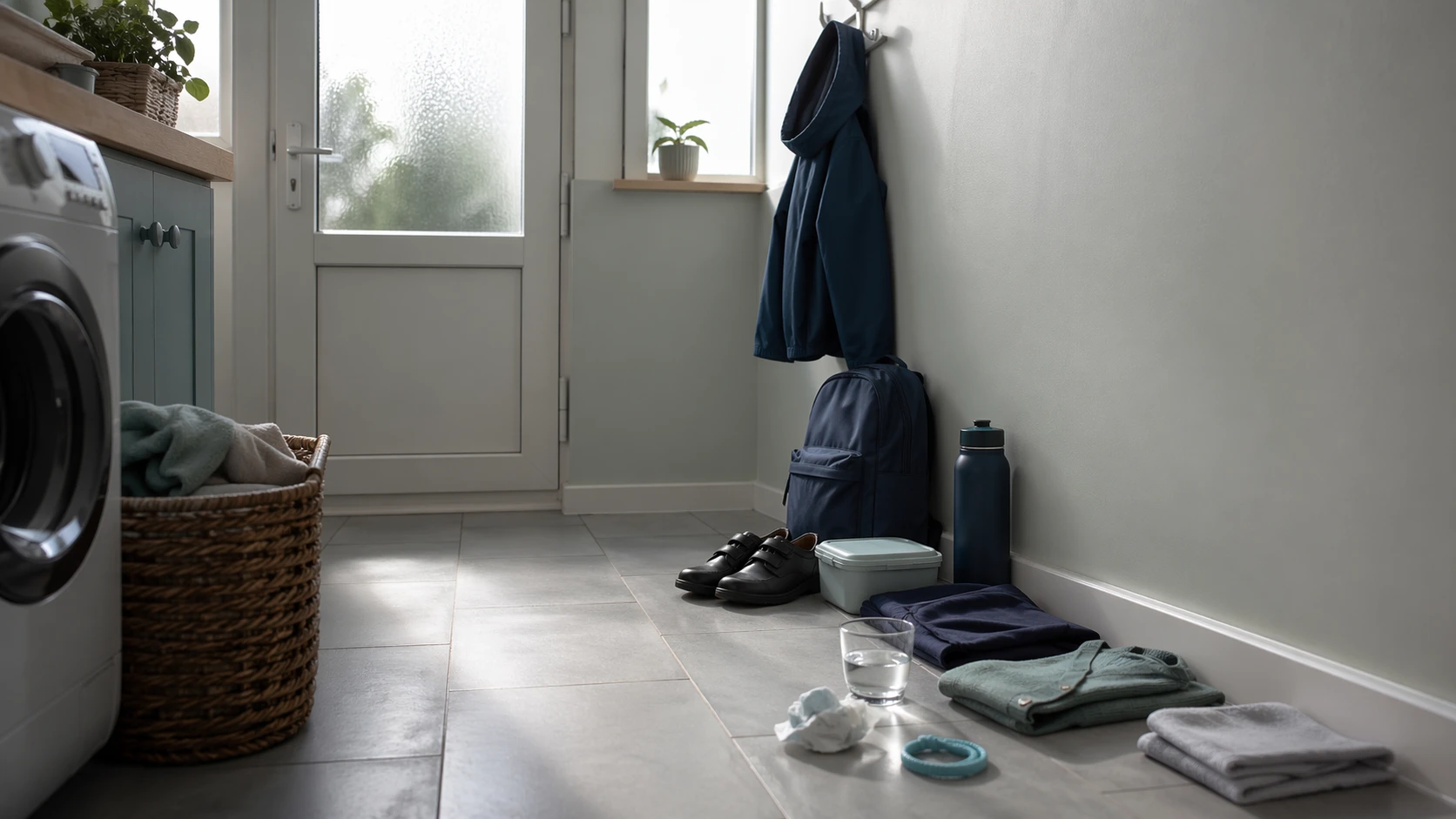
Clothes ready
Bag packed
Lunch sorted
Reduce language during the hardest minutes
Use a short script:
“One step at a time.”
“You are safe.”
“We are following the plan.”
Use a “bridge” into school
Agree one of these with school:
Meet and greet with a named adult
A calm room on arrival
A “first task” that is easy and predictable
YoungMinds includes strategies to try at home and making changes at school to support attendance.
Working with school: what to ask for
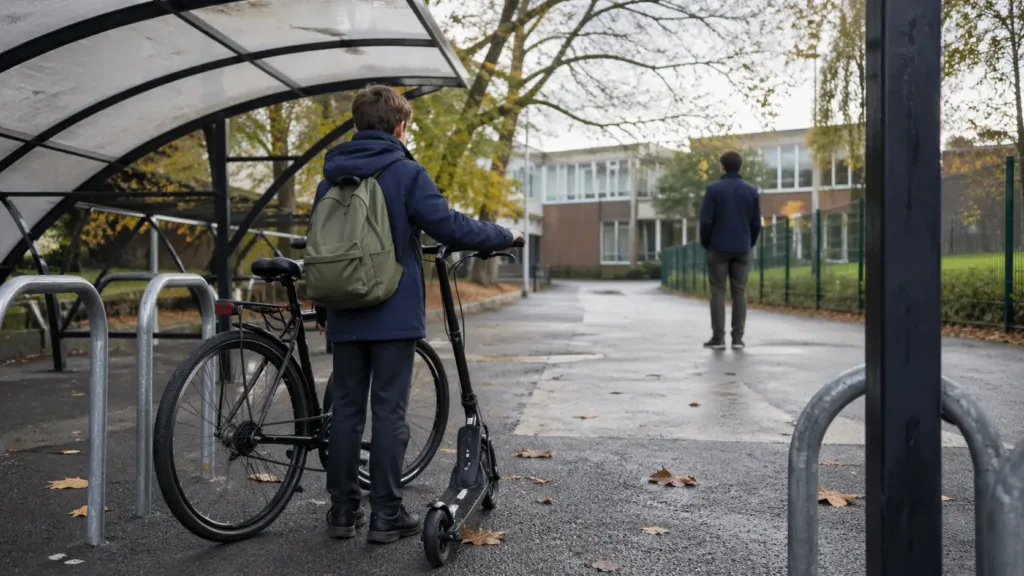
Many parents feel pressure, but you are allowed to ask for support.
DfE attendance guidance sets expectations on improving school attendance and roles and responsibilities, including updates for pupils unable to attend due to physical or mental ill health. (GOV.UK)
Ask for a meeting with:
- form tutor or class teacher
- pastoral lead or head of year
- SENCO if SEND may be involved
Ask school these practical questions
- What have you noticed is hardest for my child?
- Who can be the safe point of contact each morning?
- Where can my child go if overwhelmed?
- Can we reduce sensory load or movement through busy areas?
- Can homework and catch up expectations be adjusted while we rebuild attendance?
- What does a realistic phased return look like?
Useful adjustments schools often try
- staggered start or quiet entry
- time in a calm space before class
- permission card for breaks
- reduced timetable temporarily, with a clear reintegration plan
- safe adult check ins
- seating and class changes if bullying or peer issues are involved
This should be personalised and reviewed regularly.
If your child cannot attend right now
If attendance has stopped, your aims are:
- Protect wellbeing.
- Keep a school day rhythm.
- Build the return plan.
YoungMinds suggests keeping a routine similar to school times and asking school for work if your child cannot attend, so returning is easier.
Practical at home routine:
- get up, wash, and dressed at a regular time
- short learning block at the usual school time
- lunch at a consistent time
- movement break
- calm activity
- bedtime routine that supports sleep
This keeps the body clock and confidence steadier.
When to seek help in the UK
Seek extra help if:
- attendance problems persist for weeks
- panic is severe
- sleep is falling apart
- your child is withdrawing socially
- self harm thoughts are present
- you suspect bullying, trauma, or safeguarding concerns
Who to contact
- School pastoral team and SENCO
- GP for assessment and support routes
- Local mental health support pathways where available
NICE guidance for social anxiety disorder states children and young people should be offered CBT, sometimes with parent involvement so parents can help. If there is immediate risk of harm, seek urgent help through emergency services.
FAQs: supporting a child with school anxiety or refusal
Many services use EBSA, emotionally based school avoidance, to describe anxiety driven non attendance. (IPSEA)
If your child is panicking, forcing can increase fear. A planned, graded return with school support is often more effective. (GOV.UK)
Ask for a meeting and share what you see. Use the language of support and plan, not blame. Refer to DfE guidance on mental health and attendance support. (GOV.UK)
In many cases EBSA is linked to unmet needs. IPSEA has guidance and suggests seeking help early. (IPSEA)
Some children improve quickly once school adjustments and a graded plan are in place. Others need longer. The goal is progress, not perfection.