

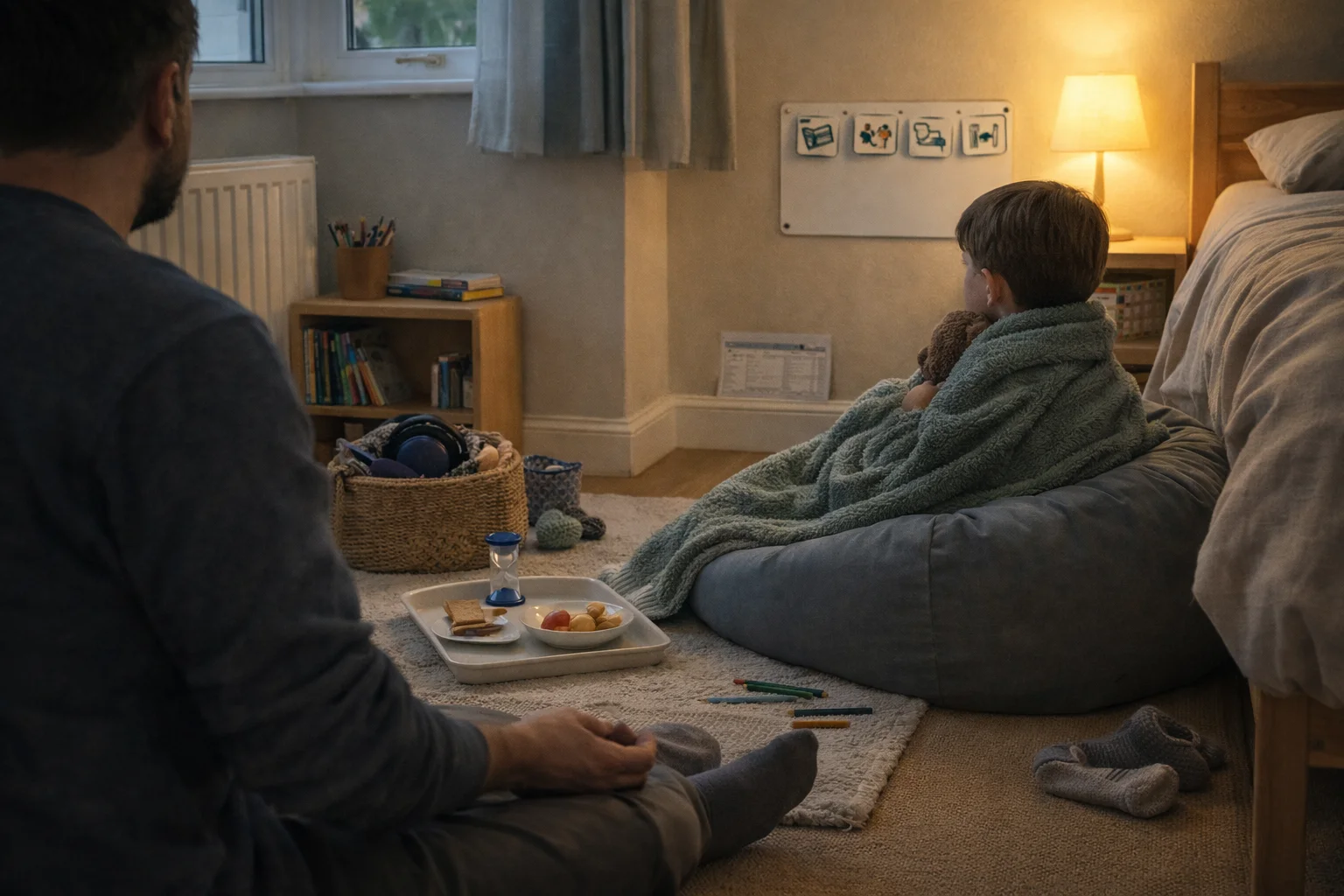
What therapeutic parenting means after trauma
Therapeutic parenting after trauma is a trauma informed, relationship led way of caring for children whose early experiences may include neglect, abuse, loss, repeated moves, domestic abuse, or unpredictable caregiving.
The heart of it is simple:
- You prioritise emotional and physical safety.
- You build trust through predictable, calm responses.
- You teach skills in calm moments, not during crisis.
Why trust and safety come before behaviour change
After trauma, some children live in “high alert”. They may interpret neutral events as unsafe. This can lead to:
- quick anger or panic
- controlling behaviour
- refusal and shutdown
- lying, stealing, hoarding
- push away then cling patterns
The NSPCC highlights that trauma and abuse can harm a child’s brain development, and that positive experiences still matter because brains can change and grow.
So in therapeutic parenting after trauma, you aim to create repeated experiences of safety. That is what makes new behaviour possible.
The trauma lens: what might sit underneath behaviour
When a child has a big reaction, it helps to ask: “What is this behaviour doing for them?”
Common “hidden” drivers include:
- fear of rejection or abandonment
- shame and feeling “bad”
- sensory overwhelm
- grief and loss
- hypervigilance and sleep disruption
- difficulty trusting adults
- learned survival strategies from earlier environments
This is why a trauma informed approach focuses on understanding and responding compassionately, and resisting re traumatisation through how support is delivered. (NHS England)
The therapeutic parenting toolkit at home

A) Predictable routines that signal safety
Children impacted by trauma often cope better when the day is predictable.
Start with:
Morning routine
After school decompression routine
Bedtime routine
Keep routines short and visual where possible. Use the same order daily.
B) Co regulation before self regulation
Children learn calm through you first.
What helps:
Lower your voice
Slow your pace
Reduce words
Offer a calm presence nearby
C) Reduce the “why” questions in crisis
During escalation, “Why did you do that?” can feel threatening and can increase shame.
Try:
“Something feels hard right now.”
“I’m here. We will get through this safely.”
D) Build a safe “reset space”
A reset space is not a naughty step. It is a low stimulation place to settle:
Soft light
Cushions or beanbag
One comfort object
Headphones if noise is a trigger
E) Meet needs early
Many blow ups are worsened by basic needs:
Hunger and thirst
Exhaustion
Illness or pain
A simple rule: snack, water, and a short reset after school before demands.
F) Document patterns without judgement
A short note helps you see triggers and progress:
What helped
What happened before the incident
How long recovery took
PACE in real life: scripts you can use today
PACE is commonly used in therapeutic parenting and is explained in NHS resources as a way of thinking, feeling, communicating and behaving that aims to make a child feel safe. (Cardiff and Vale University Health Board)
Playfulness
Not jokes during distress. Think lightness when safe.
- “Shall we race the shoes onto your feet?”
Acceptance
You accept the feeling, not the unsafe behaviour.
- “It’s okay to feel angry. I won’t let you hurt people.”
Curiosity
Curiosity reduces blame.
- “I wonder if that felt too much for you.”
- “I wonder if you thought you were in trouble.”
Empathy
Name the emotion and stay steady.
- “That was really hard. I’m with you.”
Mini script for escalation
- “I’m here.”
- “You’re safe.”
- “We will sort it when your body is calmer.”
Boundaries without battles: firm, kind, predictable
Therapeutic parenting does not mean no boundaries. It means boundaries are calm and consistent.
Use three house rules only
- Safe hands and safe feet
- Kind words or quiet space
- Adults keep everyone safe
Repeat the same words every time. Consistency builds trust.
Consequences that teach, not shame
Aim for consequences that are:
- immediate
- small
- linked to safety
- followed by a “next time” plan
Example:
- Throwing toys: toys rest in a box briefly, then you practise “safe throw” with a soft ball.
Avoid power struggles where possible
Offer two acceptable choices:
- “Do you want to tidy five toys now or after snack?”
- “Do you want to brush teeth first or pyjamas first?”
Repair and reconnection after a hard moment
After trauma, children often expect rupture. Repair is how trust grows.

The three step repair
Name it simply:
“That was a big storm.”
Plan one support:
“Next time we can use the break card.”
Validate:
“It felt too much.”
Then reconnect through something small:
A short game
Making a drink together
Reading beside each other
When to seek extra help in the UK
Consider professional support if:
- behaviour is unsafe or escalating
- sleep is severely disrupted
- school attendance is affected
- your child is very anxious, numb, or withdrawn
- you suspect PTSD symptoms, such as re experiencing, nightmares, avoidance, or persistent hyperarousal
PTSD and trauma treatment routes
NICE guideline NG116 covers recognising, assessing and treating PTSD, including in children and young people.
Start points:
- GP
- school SENCO or pastoral lead
- local children’s mental health services where available
- therapeutic services and family support organisations
Attachment focused support
If your child is adopted or has care experience and attachment needs are part of the picture, NICE also has guidance on attachment difficulties.
Welcare support
Welcare’s trauma informed practice approach aligns with building safety and understanding the long term impact of trauma on relationships and behaviour.
FAQs
No. Therapeutic parenting after trauma can help any family supporting a child affected by adversity, loss, or chronic stress.
Therapeutic parenting is warm and firm. Safety rules still stand. The difference is how you respond: calm, predictable, and repair focused.
Some children have learned closeness is unsafe or temporary. They may test whether you will still be there. Consistent, calm responses build trust over time.
These behaviours can be survival strategies. Respond with calm boundaries and curiosity. Focus on safety, restitution, and teaching, not humiliation.
If there is immediate risk of harm to your child or others, seek urgent help through emergency services.