


What resilience means for anxious children
Building resilience in anxious children does not mean pushing them to “toughen up”.
It means helping your child learn:
- “I can feel worried and still cope.”
- “Worry is uncomfortable, but it is not dangerous.”
- “I can take one small step, then another.”
NHS guidance for parents focuses on talking with your child about what makes them anxious and finding solutions at home and school.
Resilience is not a personality trait your child either has or does not have. It is a skill built through repeated safe experiences.
Why avoidance makes fears grow
When children feel anxious, avoidance brings quick relief:
“I do not have to go in.”
“I do not have to speak.”
“I do not have to sleep alone.”
Relief feels good, but it teaches the brain: “Avoiding keeps me safe.” Over time, fear grows and the child avoids more.
NHS Lothian CAMHS self help guidance explains that overcoming anxiety often involves facing feared situations, so children learn what they worry about may not happen and that they can cope.
This is why the resilience approach is gentle exposure, not pressure.
The confidence cycle: how small wins build bravery
Resilience builds when your child experiences three things:
The fear shows up.
They take a small step anyway, with support.
The fear reduces, or they learn they can cope even while it is there.
Over time, the brain learns: “I can do hard things.”
This is the heart of building resilience in anxious children.
Building resilience in anxious children at home: daily tools
A) Keep routines predictable
Routines reduce uncertainty, which reduces anxiety load. NHS guidance notes that routines can be reassuring for children.
Start with:
- morning steps
- after school decompression
- bedtime routine
Keep it simple and repeatable.
B) Name the feeling, then name the plan
Try:
- “That’s worry.”
- “Worry is loud.”
- “Here is our plan: one breath, one step.”
C) Praise effort, not outcomes
Instead of praising only success, praise brave effort:
- “You walked to the gate even though you felt nervous.”
- “You tried the first step. That’s progress.”
D) Limit reassurance loops kindly
Reassurance is comforting, but constant reassurance can keep anxiety running the show.
A helpful pattern:
- Answer once.
- Remind your child of the plan.
- Return to the coping tool.
YoungMinds provides parent guidance on supporting children with anxiety and encourages working on strategies together.
E) Practise calm skills when your child is calm
Choose one skill only:
- slow breathing
- grounding
- short movement reset
Berkshire Healthcare NHS suggests breathing techniques to calm anxiety, including a simple count for breathing in and out.
The fear ladder method: step by step guide
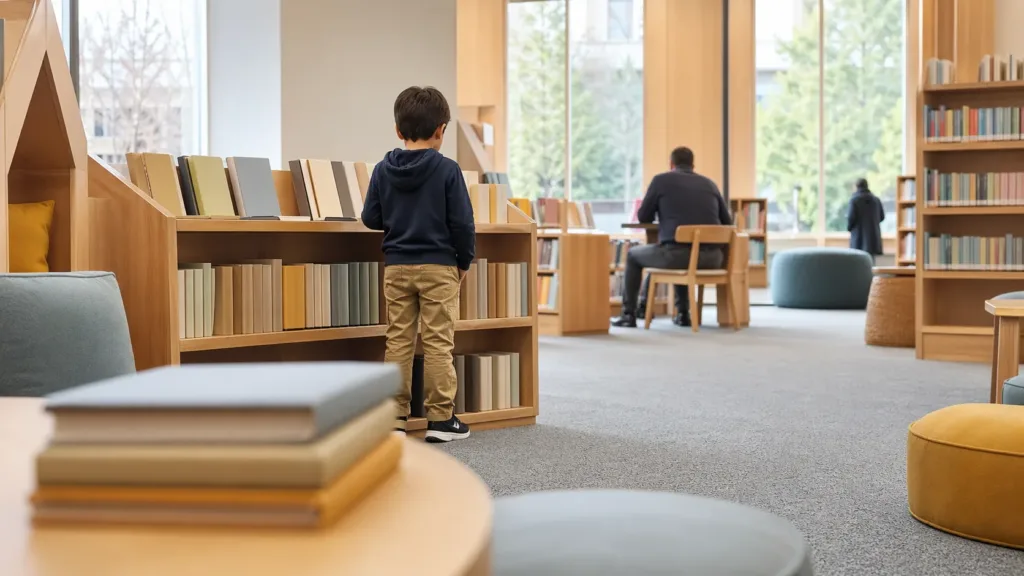
A fear ladder is a graded plan for facing a fear in manageable steps.
Graded exposure is widely used in anxiety support, including in school guidance for EBSA, and it is also part of CBT approaches. (Learn Sheffield)
Step 1: Pick one fear
Choose the fear causing the biggest daily problem:
- going into school
- sleeping alone
- speaking to adults
- joining a club
- separating from you
Step 2: Break it into 5 to 10 tiny steps
Each step should feel a bit challenging but doable.
Step 3: Rate each step
Ask your child to rate worry from 0 to 10 for each step.
This helps you start low and build gradually.
Step 4: Practise step 1 until it feels easier
Repeat the same step daily or several times a week.
Only move up when your child can do the step with less distress.
Step 5: Celebrate progress every time
Progress is trying, not perfection.
What to say in the moment: calm scripts for parents
When anxiety spikes, your child needs calm leadership. These scripts support building resilience in anxious children without shaming.
When worry shows up
“I can see worry is here.”
“You’re safe.”
“We’re doing one small step.”
When your child wants to avoid
“Let’s do the smallest step together.”
“Avoiding feels better now, but it makes worry bigger later.”
When your child asks the same question again and again
“That’s the worry asking again.”
“I’ve answered once. Now we use our plan.”
When your child cries or panics
“Your body feels scared. I’m here.”
“Breathe with me.”
“We can pause, then we do step one.”
Common fears and practical ladders
A) Fear of school drop off
A simple ladder might look like:
- Put on uniform at home.
- Walk past school after hours.
- Walk to the gate at a quiet time.
- Enter school and sit in a calm space for 5 minutes.
- Attend one lesson with a safe adult check in.
- Build up gradually.
YoungMinds has guidance for parents on school anxiety and refusal, including keeping routines and planning return steps with school.
B) Fear of sleeping alone
- Bedtime routine with you in the room.
- You sit on a chair further away.
- You step out for 1 minute and return.
- You step out for 3 minutes and return.
- You check in at set times.
- Reduce checks gradually.
C) Fear of speaking to adults
- Smile and nod to teacher.
- Say hello once.
- Ask one simple question with parent nearby.
- Ask the question alone.
- Build to short conversations.
D) Fear of social situations
NICE guidance for social anxiety disorder includes graded exposure as part of CBT for feared social situations.
You can build a ladder such as:
- Say hello to one peer.
- Stay for 10 minutes at a small group.
- Join one structured activity.
- Increase time gradually.
Working with school: confidence plans that support attendance
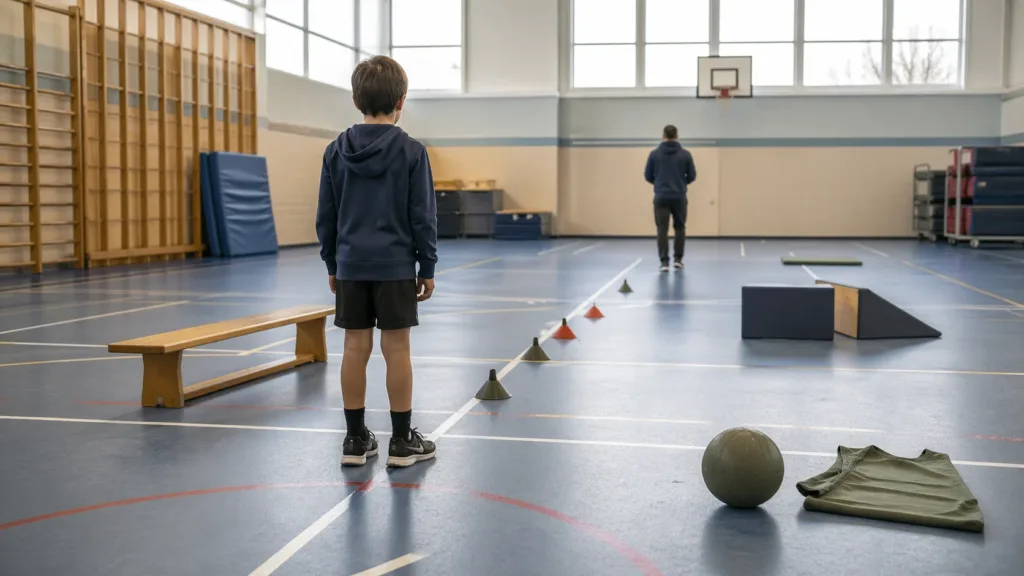
For many families, building resilience in anxious children needs school and home to work together.
Ask school for:
- a named safe adult on arrival
- a calm space for the first 5 minutes
- a predictable first task
- reduced pressure around catch up while anxiety is high
- a graded return plan if attendance has dropped
NHS guidance suggests meeting with your child’s teacher or SENCO and looking at solutions at home and school.
When to seek help in the UK
Seek extra support if:
- anxiety is affecting school attendance, sleep, or daily life for weeks to months
- your child is avoiding more and more situations
- physical symptoms are frequent
- you are seeing panic, persistent distress, or low mood
Who to speak to
- school pastoral lead or SENCO
- your GP
NICE guidance for social anxiety disorder describes CBT with graded exposure for children and young people with social anxiety disorder.
NHS guidance also outlines signs of anxiety and encourages seeking help when anxiety affects daily life.
If you are worried about immediate safety, seek urgent help through emergency services.
FAQs: building resilience in anxious children
Not always. Resilience means your child can cope with anxious feelings and still do what matters.
Start smaller. Make step one so easy it feels safe. Use your presence and praise any attempt.
Slow is usually faster in the long run. Repeat each step until distress reduces.
Graded exposure is commonly used in CBT approaches for anxiety and is included in NICE recommendations for exposure within CBT for social anxiety disorder. (NICE)
NHS CAMHS self help guidance also supports facing feared situations to reduce anxiety over time. (NHS Lothian Services)
When anxiety persists and affects daily life, or if avoidance is increasing. Start with school and your GP. (nhs.uk)