

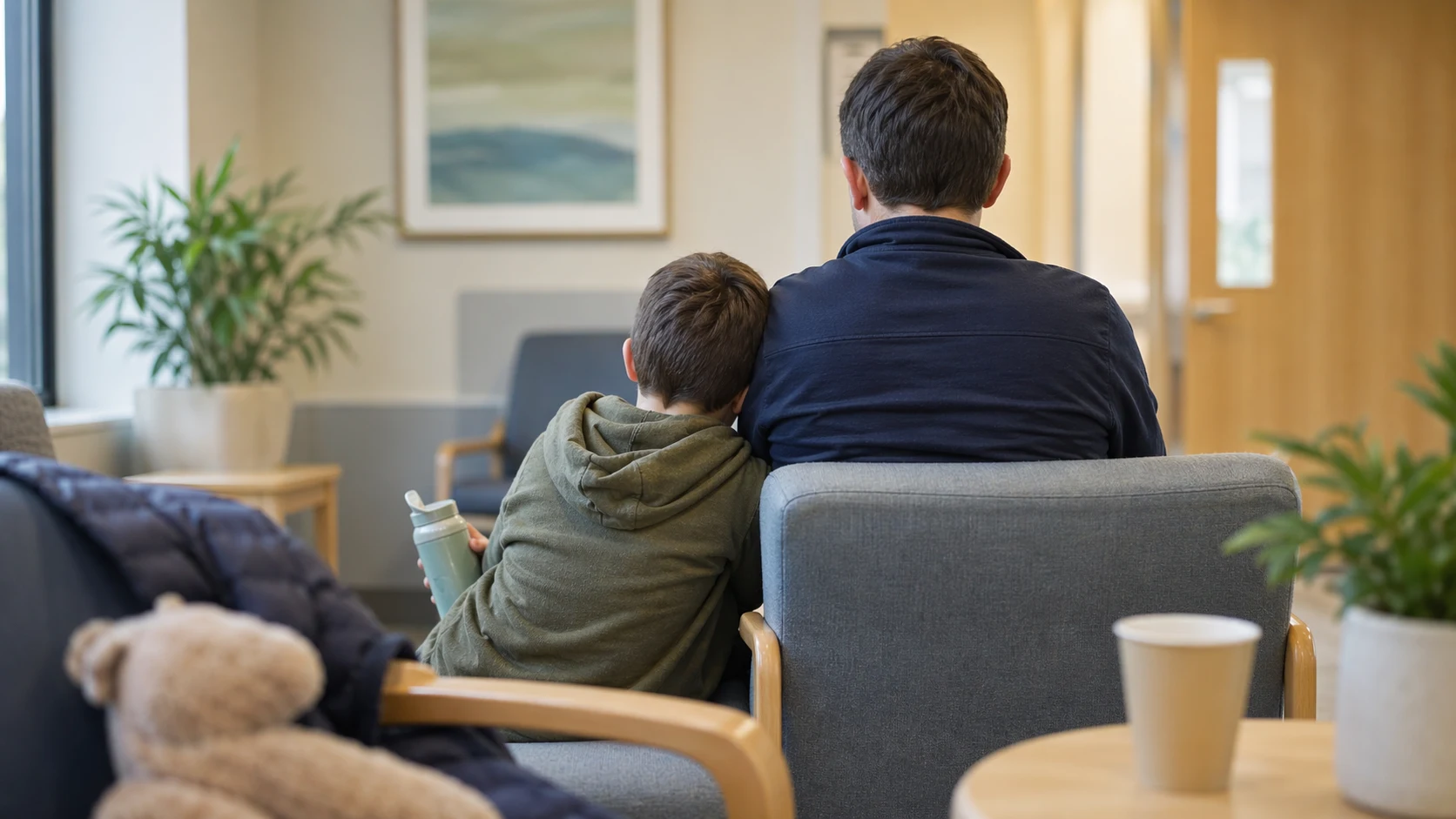
What anxiety looks like in children
Anxiety is a normal alarm system. It helps keep us safe. The problem is when the alarm becomes too sensitive or goes off too often.
Children do not always say “I feel anxious”. They often show it through:
Behaviour changes
Body symptoms
Avoidance
Reassurance seeking
NHS guidance explains that anxiety in children can show up through changes like irritability, sleep problems, and physical complaints such as tummy aches or headaches.
Early signs of anxiety in children: the main categories
These categories help you spot patterns earlier.
A) Body signs
B) Sleep changes
- Sleep is one of the earliest warning signs.
You might notice:
- difficulty falling asleep
- waking in the night
- bad dreams (nhs.uk)
C) Reassurance seeking and clinginess
You might see:
- being clingy, especially in younger children (nhs.uk)
- repeatedly checking things are okay
- needing you close at bedtime
- struggling with separation from you
D) Avoidance
- refusing school or frequent school morning distress (YoungMinds)
- avoiding clubs, parties, or sleepovers
- refusing new places
- suddenly not wanting to do things they used to enjoy
Signs by age
Anxiety can look different at different ages. This section helps you spot early signs of anxiety in children without overthinking every bad day.
Preschool age (under 5)
Young children may not have the words for worry. NHS guidance suggests signs can include being tearful or clingy, sleep problems, bedwetting, and tummy aches or headaches.
Watch for:
Bedtime battles that feel fear based
Big separation distress
Frequent physical complaints without a clear medical reason
Primary school age (5 to 11)
You might notice:
Worries about school, friends, or performance
Perfectionism or fear of getting it wrong
Avoiding activities and needing constant reassurance
Teens
Teens may hide anxiety. It can show up as:
Avoiding social situations or school
sleep problems and irritability
spending more time alone
YoungMinds describes physical signs such as feeling tense, restless, hot or sweaty, shallow breathing, shaky feelings, and trouble sleeping.
Common triggers and patterns
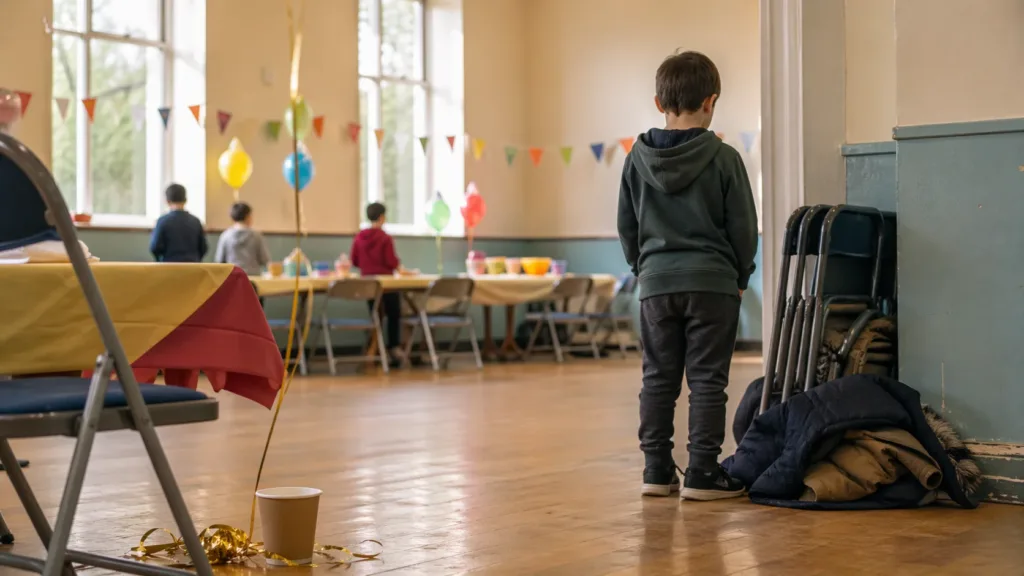
Anxiety often spikes around:
- school mornings and Sunday evenings
- changes in routine
- social pressure or friendship changes
- tests, performance, and fear of mistakes
- separation from trusted adults
A useful way to spot anxiety is to notice if the same situations repeatedly lead to the same distress pattern.
What helps at home: practical steps you can start today
These are gentle, realistic steps that support children whether anxiety is mild or more significant.
A) Name the feeling and validate it
Try:
- “That sounds worrying.”
- “I can see your tummy feels tight.”
- “It makes sense you feel nervous.”
Just One Norfolk NHS recommends staying calm, listening, naming emotions, and praising children for talking about worries.
B) Keep routines predictable
Anxiety loves uncertainty. Predictable routines reduce “what if” worry.
Start with:
- morning routine
- after school decompression
- bedtime routine
C) Reduce reassurance loops
Reassurance helps briefly, then anxiety asks for more.
Try a calm limit:
- “I’ve answered that. You are safe. Let’s use our plan.”
D) Teach a simple body calm tool
Pick one:
- slow breathing
- a short stretch
- grounding: “name five things you can see”
Keep it short and practise when calm.
E) Help your child face fears in small steps
Avoidance grows anxiety. Safe, supported steps shrink it.
Just One Norfolk NHS encourages helping children face fears in a safe way.
Think: tiny steps, lots of praise, no pushing into panic.
When and how to seek help in the UK
Seek support if:
- the signs last weeks to months
- anxiety affects school, sleep, eating, friendships, or family life
- avoidance is increasing
- your child seems constantly distressed
Who to speak to
- your child’s school or nursery, including pastoral staff or SENCO
- your GP, especially if physical symptoms are frequent
- trusted local NHS children and young people mental health resources where available
FAQs: early signs of anxiety in children
Most children have worries. Anxiety becomes more concerning when it affects daily life regularly, such as school, home, and friendships. (Kent family)
Yes. NHS guidance lists stomach aches and headaches among signs of anxiety in children. (nhs.uk)
Yes. Anxiety can show up as irritability, outbursts, or seeming “out of control”. (nhs.uk)
If anxiety affects mornings, attendance, friendships, or learning, it is usually helpful to involve school early. YoungMinds has guidance for parents on school anxiety and refusal. (YoungMinds)
Support depends on need, but may include school based support, parenting guidance, and psychological therapies. NICE guidance for anxiety related conditions outlines assessment and treatment approaches for specific anxiety disorders, including CBT for social anxiety. (NICE)
NICE guidance explains that CBT with ERP is effective for many children and that significant improvement is possible with the right treatment. (nice.org.uk)