

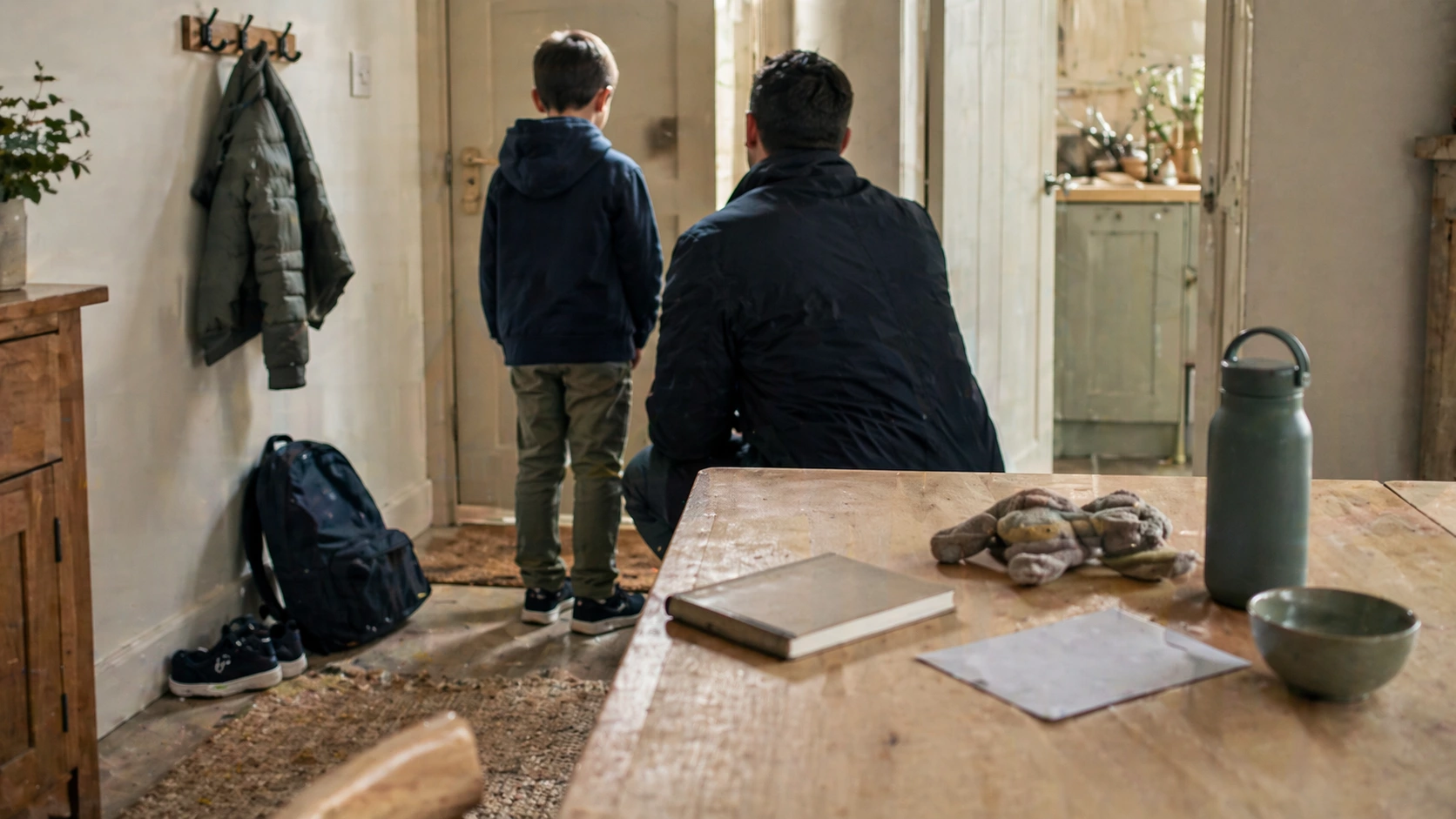
What social anxiety in children is
Social anxiety in children is when social situations trigger strong fear or distress. A child may worry about being judged, embarrassed, laughed at, or getting things “wrong”. Over time, they may start avoiding social situations, which can limit friendships and school life.
NICE guidance covers recognising, assessing, and treating social anxiety disorder in children and young people (school age to 17). (NICE)
NHS guidance explains anxiety becomes a problem when it affects a child’s behaviour and thoughts every day and interferes with school, home, and social life.
Social anxiety in children vs shyness
It is normal for children to feel shy sometimes. Shyness often improves as a child warms up.
Social anxiety in children tends to be different because:
the fear feels intense and persistent
the child avoids more and more situations
daily life is affected, such as friendships, clubs, speaking in class, or attending school
If you are unsure, a useful question is: “Is this limiting their life or making them unhappy most days?”
Signs to look for at different ages
Children do not always say “I’m anxious”. They often show it.
Preschool and early primary
- clinging, hiding behind you, refusing to join in
- crying or freezing when attention is on them
- refusing nursery or school drop off
- tummy aches on social days
Primary age
- avoiding birthdays, playdates, clubs, speaking in class
- needing constant reassurance before social events
- strong fear of mistakes and being corrected
- friendships feel hard, even if they want friends
Teens
- avoiding social plans, presentations, group work
- spending more time alone, fearing judgement
- school anxiety, missed days, or “can’t go in” moments
YoungMinds notes anxiety becomes a problem when a child feels stuck in it and it affects daily life, and offers parent guidance on signs and support.
What causes social anxiety to grow
Social anxiety in children often grows through a pattern that looks like this:
A social moment feels scary.
The child avoids it.
Avoidance brings relief.
The brain learns “avoidance keeps me safe”.
Next time the fear feels bigger.
This is why a gradual confidence plan matters. It gently teaches the brain: “I can cope.”
What helps at home: calming and confidence tools
These strategies support social anxiety in children without forcing your child into panic.
A) Validate first, then plan
Try:
“That sounds really hard.”
“Your body is giving you an alarm.”
“Let’s do one small step.”
B) Teach one calm body tool
Pick one and practise when calm:
Slow breathing
Grounding using the senses
A short movement reset
NHS explains CBT is used for anxiety, including social anxiety, and NHS resources include breathing techniques for stress.
C) Reduce reassurance loops gently
Reassurance helps in the moment, but endless reassurance can keep anxiety in charge.
Try:
Answer once: “You’ll be okay.”
Then: “Now we use our plan.”
Praise any attempt: “You tried. That matters.”
D) Praise brave effort, not outcomes
Confidence grows when you notice effort:
“You said hello.”
“You stayed for five minutes.”
“You tried even though you felt nervous.”
Helping your child connect: small steps that work
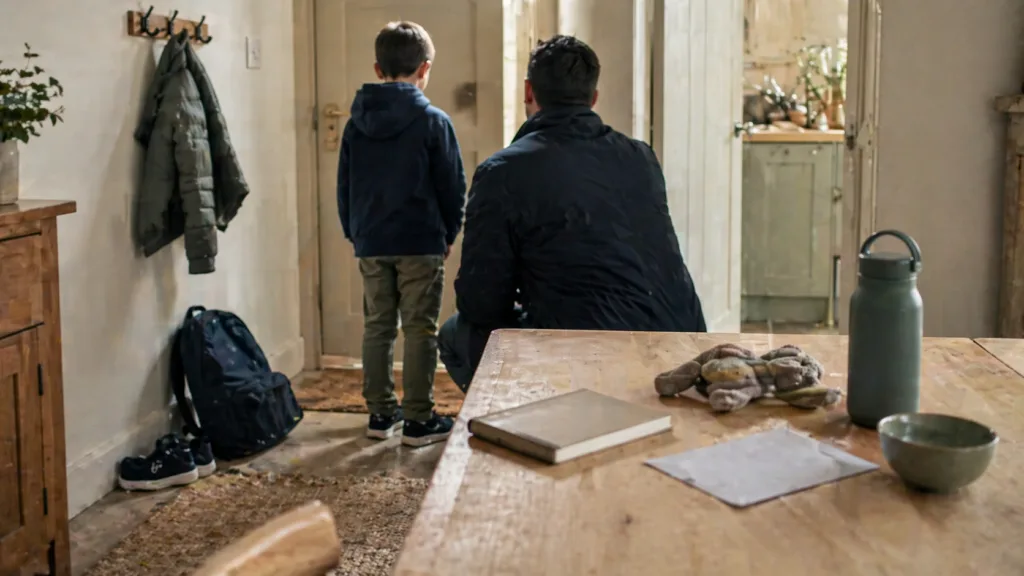
A fear ladder is one of the best tools for social anxiety in children. It is also aligned with CBT approaches used in social anxiety treatment. (NICE)
How to make a fear ladder
- Choose one goal: “Talk to one child at break” or “Go to a club.”
- Break it into small steps (5 to 10).
- Start with the easiest step.
- Repeat that step until it feels easier.
- Move up slowly.
Example fear ladder: joining a club
- Walk past the club room.
- Stand at the door for 2 minutes.
- Go in with a trusted adult for 5 minutes.
- Stay for 10 minutes.
- Stay for the full session.
Scripts that help in the moment
- “We’re doing the smallest step.”
- “You can feel nervous and still do it.”
- “Let’s practise one sentence.”
Playdates, parties, and clubs: making social time safer
Many children with social anxiety do best with social time that is:
Short
Predictable
Structured
Based on shared interests
A simple playdate plan
One child only
30 to 60 minutes
one planned activity first
clear ending routine
Reduce pressure
Avoid big events as the first step. Build up:
One friend at home
Then a quiet park
Then a small group activity
Then bigger parties
Working with school: practical support you can ask for
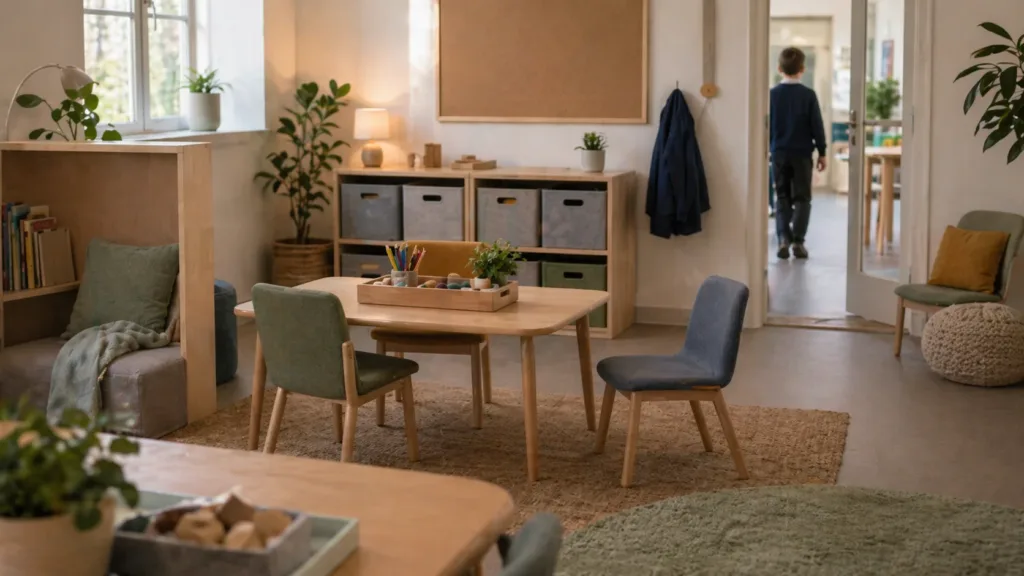
Support works best when home and school share a plan.
NICE includes recommendations about working with parents and carers and ensuring children and young people can participate in meetings, adapting meetings to the impact of social anxiety.
- a named safe adult your child can check in with
- a calm arrival plan
- support for presentations (small group first, then class)
- structured roles in group work
- supported social time at break or lunch
- a gradual plan for clubs or social activities
When to seek help in the UK
Consider seeking professional support if social anxiety in children:
- lasts weeks to months
- affects school attendance, sleep, friendships, or daily routines
- leads to increasing avoidance
- causes panic symptoms or constant distress
What support may be offered
NICE guidance for children and young people with social anxiety disorder says they should be offered CBT, either individually or in a group, and parents may also be involved so they can help.
NHS confirms CBT is recommended for many mental health problems, including anxiety and social anxiety.
Start with:
- school pastoral team or SENCO
- your GP
FAQs: social anxiety in children
Not always. Shyness often improves with time. Social anxiety is more likely when fear is intense, persistent, and causes avoidance that affects daily life. (NICE)
Start with shared interest activities, short structured social time, and small steps. Focus on one safe peer rather than large groups.
Yes. NICE guidance says children and young people with social anxiety disorder should be offered CBT, and parents may be involved. (NICE)
Early. Ask for a plan and adjustments that reduce pressure while building confidence, especially for presentations, group work, and unstructured times.