

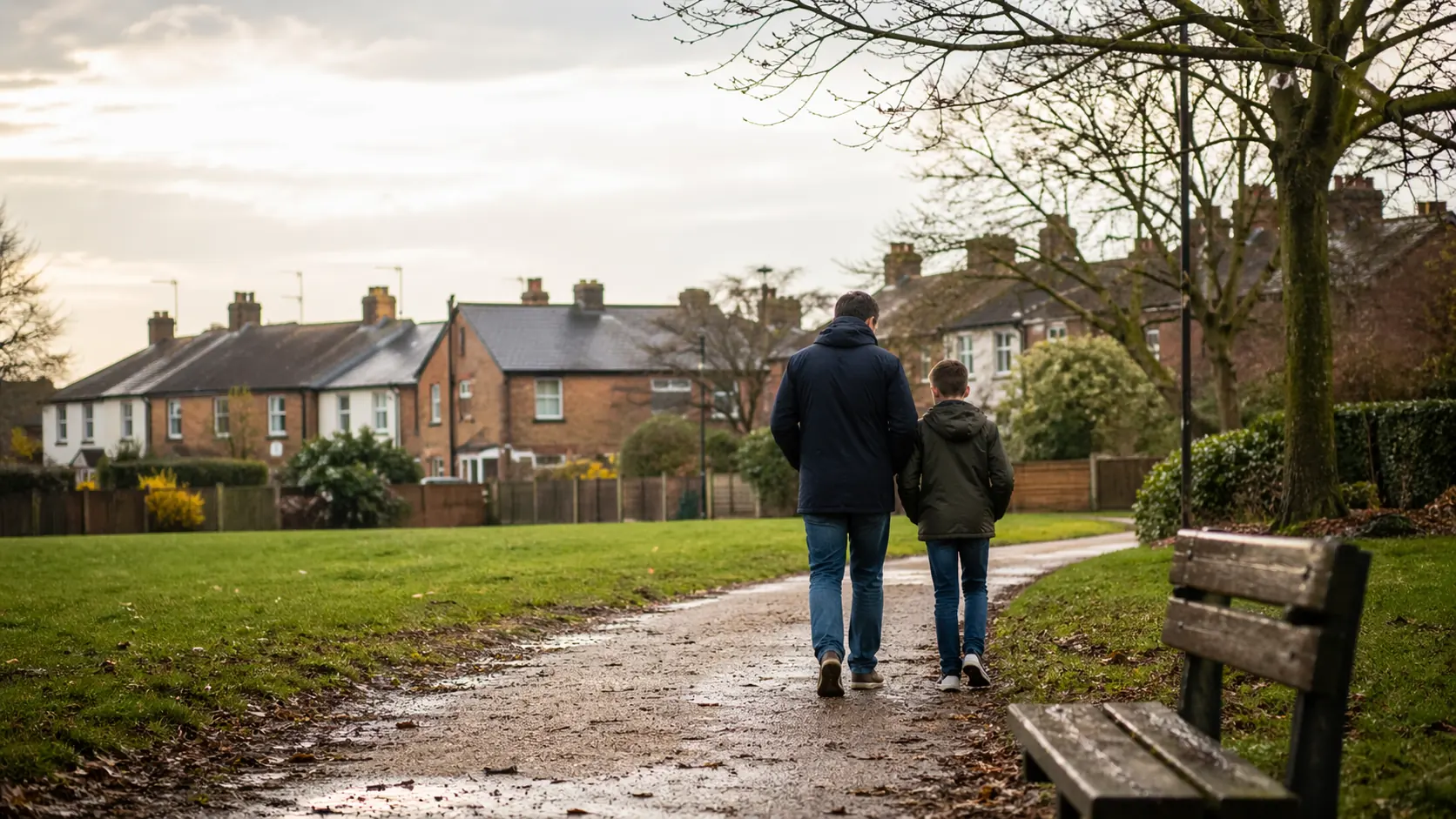
What childhood depression is
Childhood depression is a mood disorder that affects how a child thinks, feels, and behaves over a sustained period. It is not the same as having a bad week or feeling sad after a disappointing event.
The NHS describes depression as a low mood that lasts a long time and starts to affect everyday life. In children, it can affect school, friendships, appetite, sleep, and relationships at home.
Depression in children is more common than many parents realise. The Royal College of Psychiatrists notes that around 2 in 100 children under the age of 12 and around 5 in every 100 teenagers are affected.
Why childhood depression can be hard to spot
Childhood depression does not always look like sadness. Children often cannot name what they feel, and the signs can overlap with other things such as anxiety, ADHD, puberty changes, or reactions to difficult life events.
Common reasons it goes unnoticed:
Children may be irritable rather than visibly sad
They may seem fine at school but fall apart at home
Younger children may express distress through physical symptoms like tummy aches or headaches
Teens may withdraw rather than speak about how they feel
Parents may mistake persistent symptoms for "normal moody teenage behaviour"
The Royal College of Psychiatrists explains that depression in children can show up as irritability, outbursts, and physical complaints, not only sadness.
Signs of childhood depression by age
Young children (under 12)
Childhood depression in younger children can look like:
- persistent low mood or irritability that does not lift over days and weeks
- loss of interest in games and activities they used to enjoy
- tummy aches and headaches without a clear physical cause
- changes in sleep, either sleeping too much or difficulty settling
- changes in appetite or eating habits
- low energy or appearing slowed down
- school refusal, tears at drop off, or falling behind with learning
- very low self-esteem or saying things like “I’m stupid” or “no one likes me”
Teens (12 to 18)
Teenagers with depression may show:
- persistent sadness, emptiness, or hopelessness
- irritability, anger, or frustration, sometimes over small things
- loss of interest in friends, hobbies, and activities they previously enjoyed
- withdrawal from family and social contact
- sleeping much more or much less than usual
- poor concentration and falling school grades
- feeling worthless or very guilty
- expressing thoughts that life is not worth living
YoungMinds notes that depression in teenagers often looks different to adult depression and may include irritability, physical complaints, and withdrawal. (youngminds.org.uk)
Important: If a child or young person expresses thoughts of self-harm or suicide, seek help promptly. Contact your GP, go to A&E, call 999, or reach the Papyrus helpline on 0800 068 4141, which supports young people at risk of suicide.
Common causes and risk factors
There is not usually one single cause of childhood depression. It is often a combination of factors.
Biological factors
Family history of depression or other mental health conditions
Hormonal changes, particularly during puberty
Starting is the hardest part for many children. Once started, momentum often builds.
Psychological factors
low self-esteem
experiencing trauma, loss, or abuse
chronic anxiety or persistent worry
Starting is the hardest part for many children. Once started, momentum often builds.
Social and environmental factors
bullying, including online
family breakdown or ongoing parental conflict
bereavement
poverty and financial hardship
significant life changes such as moving school or home
social isolation or loneliness
The NHS notes that depression can sometimes run in families and that difficult life events often trigger episodes.
Understanding the possible cause does not mean parents are to blame. Many children develop depression even in supportive and loving homes.
What helps at home: supporting a child with low mood
These strategies support childhood depression alongside professional treatment. They are not a replacement for clinical help when help is needed.
A) Keep communication open without pressure
Let your child know you are there and will not judge them.
Try:
"I have noticed you seem a bit low lately. I am not going to push, but I am here whenever you want to talk."
"You do not have to explain everything. Just knowing I am here might help."
Avoid jumping straight to advice or forced positivity. Children often need to feel heard before they can take a step forward.
B) Maintain gentle routine
A loose daily rhythm can help reduce the chaos that depression often creates.
Aim for:
Regular meal times
A consistent wake time
A small amount of movement each day
A predictable bedtime routine
C) Encourage movement without pressure
Physical activity can support mood. NHS guidance explains that regular exercise can help with mild to moderate depression.
Ideas that feel manageable:
A short walk after school
A family activity they used to enjoy
gentle movement like stretching or swimming
If your child resists, do not push hard. Try joining them rather than directing them.
D) Support sleep
Depression and poor sleep often reinforce each other. Practical steps include:
Same bedtime each night
No screens for an hour before bed
A calm, dark bedroom
A short wind down routine
E) Be patient with setbacks
Recovery from childhood depression is rarely linear. There will be harder days. Your steady, calm presence matters more than having the right words every time.
F) Look after yourself too
Supporting a child with depression is exhausting. YoungMinds encourages parents to seek their own support so they can be more present for their child.
Talking to your child about how they feel
Many parents worry about saying the wrong thing. Here are some practical approaches for childhood depression conversations.
Starting the conversation
Choose a calm, quiet moment rather than a crisis point. Side by side activities often work better than face-to-face conversations, especially with teenagers.
Try:
- “I care about you and I have been a bit worried. How are you really feeling?”
- “You do not have to have it all figured out. I just want to understand what is going on for you.”
If they share something difficult
Resist the urge to fix immediately. First listen and validate:
- “That sounds really hard.”
- “Thank you for telling me. I am glad you did.”
Then move to action together: “Let us think about what we can do to help you feel a bit better. We do not have to do it all at once.”
If they talk about not wanting to be here
Take it seriously. Do not dismiss it or panic visibly.
- Stay calm: “Thank you for trusting me with that.”
- Ask directly: “Are you having thoughts of hurting yourself?”
- Seek professional help promptly. Call your GP or go to A&E if there is immediate risk.
When and how to seek help in the UK

When to speak to your GP
Talk to your GP if your child:
Is withdrawing from friends and family
Has lost interest in most things they used to enjoy
Is having difficulty at school due to mood
Has had persistent low mood or irritability for two weeks or more
Is having thoughts of self-harm or not wanting to be here
Has experienced sudden changes in mood, sleep, or appetite
What your GP may do
Your GP may assess your child’s mood, rule out physical causes, offer a referral to CAMHS (Child and Adolescent Mental Health Services) if needed, or suggest talking therapies through local services.
What treatment may look like
NICE guidance (NG134) for depression in children and young people recommends watchful waiting with lifestyle support for mild depression, psychological therapy such as CBT or interpersonal therapy for moderate depression, and medication alongside therapy for severe cases, which is considered on an individual basis and overseen by a specialist.
Other support options
- School: Speak to the pastoral team, school counsellor, or SENCO about concerns. Schools can often offer in-school wellbeing support.
- YoungMinds: Parent helpline on 0808 802 5544, available Monday to Friday, 9:30am to 4pm. (youngminds.org.uk)
- Anna Freud: Resources for parents and carers supporting children’s mental health. (annafreud.org)
FAQs: dopamine and the ADHD brain
Yes. Childhood depression is a recognised clinical condition that can affect children of any age. The NHS and NICE both provide guidance on assessment and treatment. (nhs.uk)
This varies. Some episodes lift over weeks with support. Others persist for months without treatment. Early help is linked to better outcomes. (nice.org.uk)
Difficult experiences at school, such as bullying, academic pressure, or social difficulties, can contribute to depression. But depression is rarely caused by one factor alone. (rcpsych.ac.uk)
NICE guidelines state medication may be considered for moderate to severe depression in children and young people, always alongside therapy and with careful specialist oversight. It is not a first line treatment for most children. (nice.org.uk)
Try not to force it. Keep the door open and seek support yourself from your GP or the YoungMinds parent helpline. A school counsellor or trusted adult your child already knows may be easier to open up to. (youngminds.org.uk)
Yes. Asking directly does not plant the idea. It shows you take their feelings seriously and opens the door to support. If a child is at immediate risk, go to A&E or call 999. (rcpsych.ac.uk)