

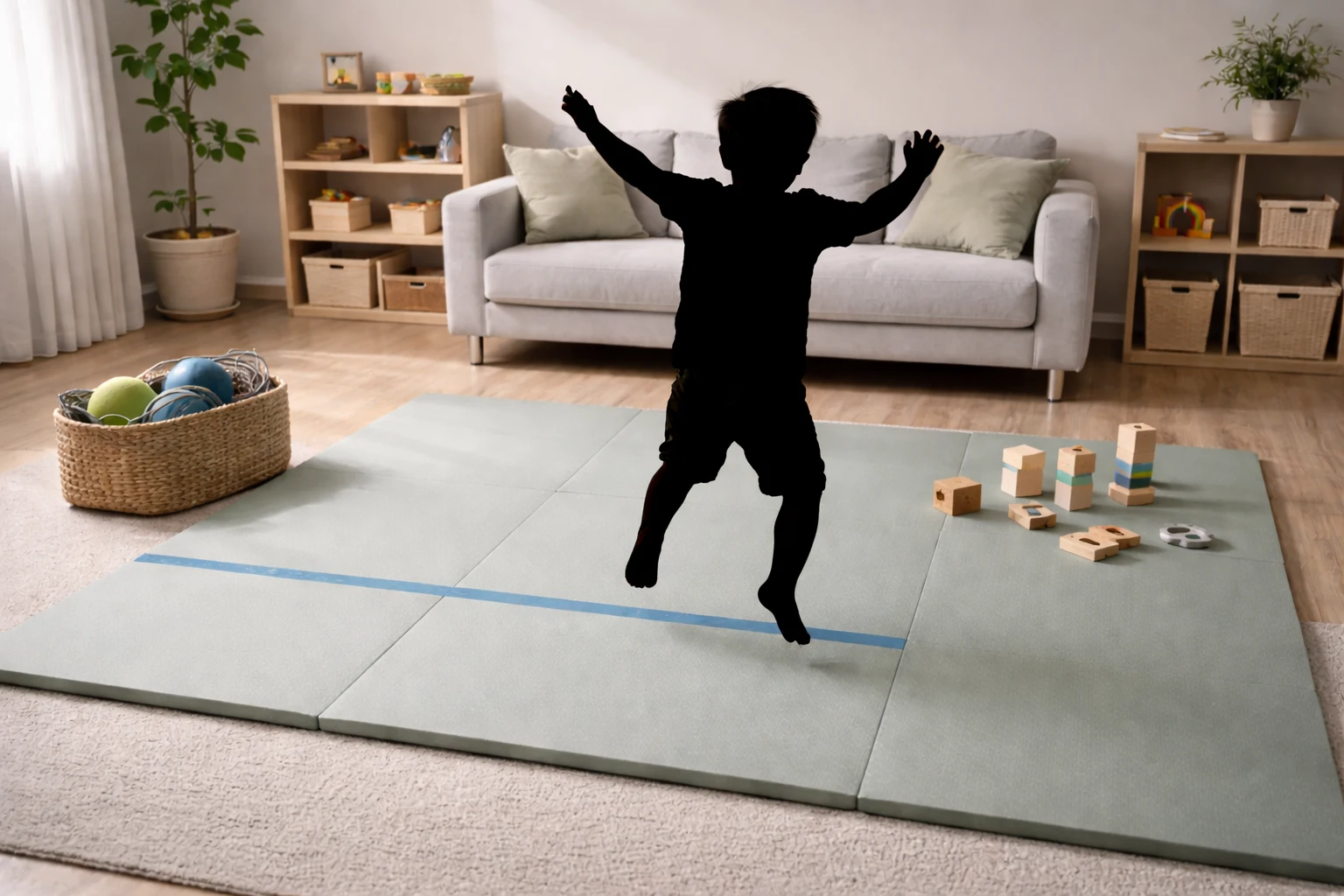
Why ADHD and physical energy can feel so intense
If you live with ADHD and physical energy in your home, you may feel like your child has an engine that never switches off.
Hyperactive and impulsive ADHD can look like:
- constant movement and fidgeting
- noisy play
- getting up when they are meant to sit still
- interrupting and acting before thinking (nhs.uk)
This is exhausting. It can also lead to misunderstandings. Many families get stuck in a loop of “sit still” and “stop”, which often increases stress, not calm.
The helpful mindset shift: movement is a need, not misbehaviour
For many children, especially those with ADHD and physical energy, movement helps regulate:
Focus
Mood
Emotional build up
Overwhelm and Overstimulation
NHS neurodiversity guidance explains that exercise can help regulate emotions, help with focusing, reduce hyperactivity, improve mood and self esteem, and help when a child is overstimulated or overwhelmed. (bedslutonchildrenshealth.nhs.uk)
So the parenting goal becomes:
- give the body safe ways to move
- then teach skills and boundaries when the brain is calmer
This is not permissive parenting. It is practical parenting
Safety first: setting up the home for active play
Before any new activity plan for ADHD and physical energy, do a quick safety check.
Create a “yes space”
A yes space is a small area where movement is allowed with fewer corrections.
Simple setup:
- clear floor space
- remove breakables
- soft mat, rug, or carpet area
- a basket of safe movement tool
Agree three house rules for active play
Keep rules short and repeatable:
- Safe hands and safe feet
- No climbing on unsafe furniture
- Stop when the timer says stop
Short rules reduce arguments.
Choose safe movement tools
Start small. Too many items can become overstimulating.
Good basics:
- soft ball
- skipping rope for older children with supervision
- beanbags
- painter’s tape for obstacle lines
- cushions for a “crash pad” on the floor
Fast energy outlets for busy days (5 to 15 minutes)
These are quick activities that help when ADHD and physical energy is peaking.
A) Beat the timer
Set a timer for 3 minutes. Pick one:
Star jumps
Marching on the spot
Wall push ups
High knees
Dancing to one song
Then do a one minute calm down: slow breathing, water, and a quiet stretch.
B) Animal walks
Pick two to three:
Bear walk
Crab walk
Frog jumps
Snake slither (on a mat)
This burns energy and builds coordination.
C) Balloon volleyball
Use a balloon, not a ball, to slow the game down.
Add rules:
“Hands below shoulders”
“We keep the balloon inside the room”
D) Tape line balance challenge
Put tape on the floor.
Heel to toe walking
Walking backwards
Balancing a soft toy on their head
E) Mini scavenger hunt
Give 5 items to find:
Something red
Something soft
Something round
A book
Asock
For many children, novelty reduces boredom and increases cooperation.
Longer at home activities (20 to 60 minutes)
If you are building a weekly plan for ADHD and physical energy, aim for one longer outlet most days.
Indoor obstacle course
Use cushions, tape lines, and chairs.
Examples:
- jump over tape lines
- crawl under a chair tunnel
- throw beanbags into a basket
- balance for 10 seconds
Change one step each day. Small novelty often helps.
Dance and follow along movement
Keep it fun and low pressure.
You can alternate:
- 2 songs high energy
- 1 song slow and calming
“Jobs with movement”
Children with ADHD and physical energy often do well when movement has a purpose:
- carry shopping bags with supervision
- water plants
- sweep the kitchen
- carry laundry to the basket
These are not punishments. They are regulation with a side of responsibility.
Outdoor play in a garden or yard
If you have outdoor space:
- chalk targets for throwing beanbags
- mini football with soft ball
- hopscotch
- scooter circuits
NHS guidance suggests children and young people should average at least 60 minutes of moderate to vigorous activity each day.
You do not need a perfect hour in one go. Several chunks count.
Heavy work at home: the calmest kind of movement

Heavy work is movement that uses muscles and joints with resistance. Many families find it reduces chaos and helps calm bodies.
NHS and local authority resources often include heavy work ideas within movement break guidance, such as carrying heavier objects or wiping and moving chairs. (NHS Fife)
Try these heavy work ideas:
- pushing hands against a wall for 20 seconds
- carrying books to a shelf
- pulling a laundry basket across the floor
- kneading dough or stiff playdough
- “chair push” cleaning where a child pushes chairs in and out slowly
- towel tug of war with clear safety rules
Heavy work often works well:
- after school
- before homework
- before dinner
- 30 minutes before bedtime
If your household is stuck in evening battles, heavy work can be a turning point for ADHD and physical energy.
Sensory walk ideas for gardens, yards, and local spaces
Try:
“Find five different textures” walk
“Spot three things you can hear” walk
“Jump to the next lamppost” game
“Slow walk home” challenge where the goal is calm, not speed
A short outdoor reset can reduce meltdowns at home, especially after school.
Routines that reduce hyperactivity spikes
For many families, ADHD and physical energy becomes hardest during transitions.
A simple after school rhythm
Many children hold it together at school and release stress at home.
Try:
Snack and drink
15 minutes movement outlet
10 minutes calm activity
Then homework or chores
Movement breaks during focus tasks
Berkshire Healthcare NHS suggests regular movement breaks and allowing fidgeting to help sustain attention. (berkshirehealthcare.nhs.uk)
Try :
10 minutes work
3 minutes movement
Repeat 2 to 4 times
A calmer bedtime routine
If evenings are hectic:
Bring movement earlier
Reduce screens close to bedtime
Use heavy work before wind down
Keep bedtime steps consistent
When to seek help in the UK
Home strategies help, but you may need more support if:
- hyperactivity feels unsafe
- school is reporting regular problems
- your child’s sleep is poor most nights
- anxiety or low mood is rising
- family life feels dominated by conflict
Start with:
- school and the SENCO
- your GP for advice and referral routes
NICE guideline NG87 is the UK standard for recognising, diagnosing and managing ADHD. (NICE)
FAQs: ADHD and physical energy
No. Many children are energetic. ADHD is usually considered when symptoms are persistent, happen across settings, and affect daily life. NHS lists common ADHD symptoms including high energy levels, restlessness, and impulsive behaviours. (nhs.uk)
NHS physical activity guidance suggests children and young people should average at least 60 minutes of moderate to vigorous activity a day. (nhs.uk)
This can be broken into chunks.
Many NHS resources for neurodivergent children note that movement can help regulate emotions and support focusing, and movement breaks can support attention. (bedslutonchildrenshealth.nhs.uk)
Some children need a calm down routine after high energy play. Add heavy work and slow breathing to help the body settle.
Short bursts of activity used between tasks. NHS resources include movement breaks and heavy work ideas to support regulation. (bedslutonchildrenshealth.nhs.uk)