

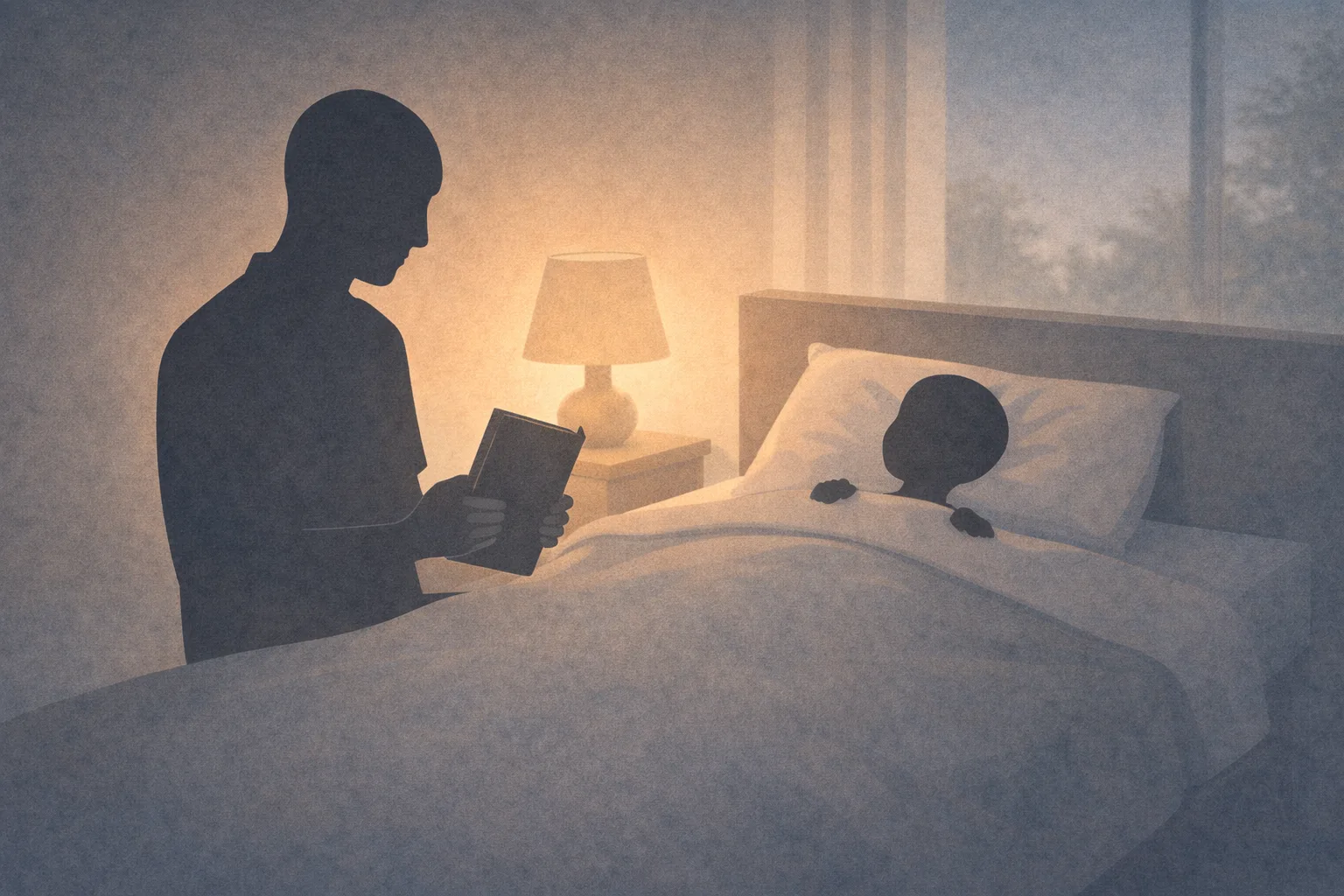
Why ADHD sleep problems happen
Many children with ADHD struggle to “switch off” at bedtime. They can be physically tired but mentally alert. This often looks like chatting nonstop, bouncing around, asking repeated questions, or suddenly needing one more thing.
There are a few common reasons ADHD sleep problems happen:
- Body clock differences: some children have a later sleep rhythm, so sleepy feelings arrive later.
- Busy thoughts and self regulation: settling down can be hard when the brain stays active.
- Hyperfocus: some children get locked into games, videos, or a hobby, then struggle with the change to bedtime.
- Anxiety or excitement at night: worries can pop up when the day goes quiet.
- Other sleep conditions: some children have symptoms like loud snoring, breathing pauses, or very restless legs, which can disrupt sleep.
It helps to hold this idea: ADHD sleep problems are not a parenting failure. They are often a mix of biology, routines, and stress levels. Small changes done consistently can make a real difference.
Common sleep challenges parents notice
Families dealing with ADHD sleep problems often describe one or more of these patterns:
Delayed sleep onset
child is in bed but awake for a long time
Bedtime resistance
arguing, stalling, bargaining, or repeated requests
Night waking
waking often and needing help to resettle
Early waking
up at the crack of dawn
Restless sleep
tossing, turning, or waking unrefreshed
If you are seeing any of these most nights, it is worth treating sleep as a priority health need, not a “nice to have”.
How poor sleep affects ADHD and family life
- impulsivity
- irritability
- emotional meltdowns
- low frustration tolerance
- morning battles and school stress
Bedtime routine tips that work for ADHD sleep problems
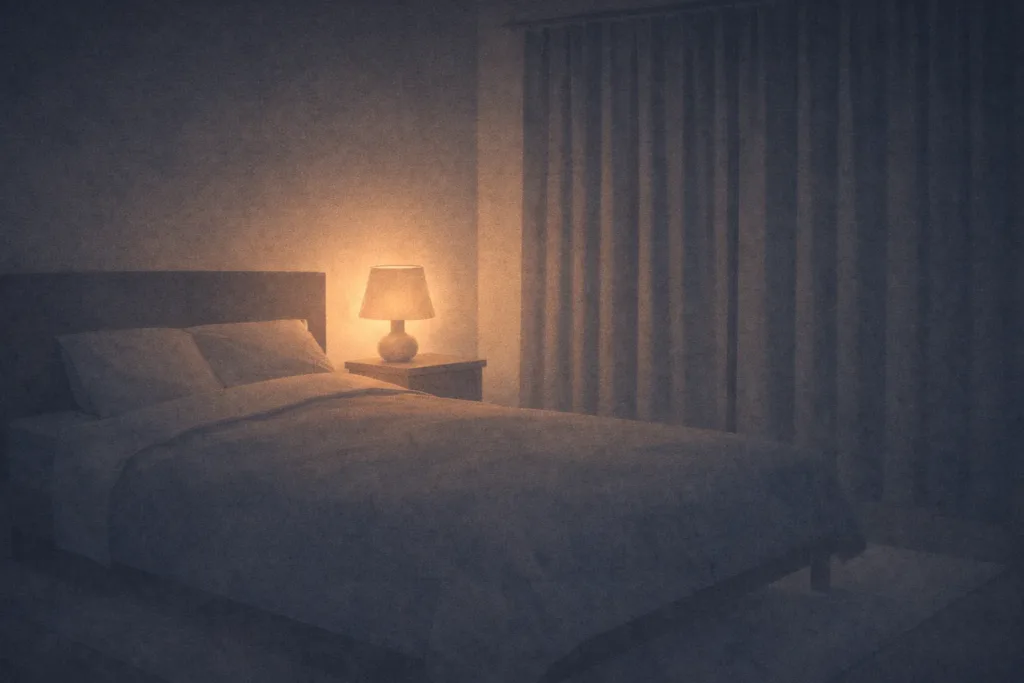
Consistency and predictability are the core tools for ADHD sleep problems. NHS services supporting children with ADHD commonly recommend keeping a consistent bedtime routine and keeping bed and wake times steady, including weekends where possible. (connect.humber.nhs.uk)
Start earlier and slow the pace
Many children with ADHD need more time to transition from “day brain” to “sleep brain”. If your child melts down when bedtime starts, the routine may be starting too late, or too abruptly. Try:
A clear heads up that bedtime is coming
A short countdown (30 minutes, 10 minutes, 5 minutes)
A gentle pace, not rushed commands
A NHS leaflet for school age children notes bedtime routines may take longer for children with ADHD and suggests giving a “heads up” before the routine begins. (West Suffolk NHS Foundation Trust)
Use a simple 4 to 5 step routine
Keep bedtime steps short and repeatable. For example:
Wash or bath
Pyjamas
Teeth
Story
Lights Out
Avoid adding extra steps each night. Extra steps often become extra bargaining.
Use visual supports
Visual routines can reduce arguments because the routine becomes “the plan”, not “mum or dad being unfair”.
bedtime checklist on the wall
timer for each step
picture cards for younger children
Some NHS guidance for neurodivergent children suggests visual reminders like a timetable can help children prepare for tasks and feel more settled. (bedslutonchildrenshealth.nhs.uk)
Keep your voice calm and your words few
With ADHD sleep problems, long explanations often wake the brain up again. Try a calm script:
- “It’s bedtime now.”
- “I love you. See you in the morning.”
- “We can talk tomorrow.”
Use praise and small rewards for routine success
If bedtime has become a daily battleground, motivation helps. A small reward chart can support routine building. Keep it simple:
- reward for completing the routine
- reward for staying in bed calmly
- reward for getting up only once
Rewards should be quick and achievable, especially at the start.
Bedroom setup for ADHD sleep problems: light, noise, temperature, and clutter
For ADHD sleep problems, the bedroom should feel boring in the best way.
Make the room as dark as possible
NHS ADHD sleep advice often highlights that darker rooms support melatonin production. (connect.humber.nhs.uk)
Try:
Blackout blinds
Thick curtains
Dim hallway light rather than bright bedroom light
Reduce noise and sudden sounds
Some children settle better with steady background noise. White noise can reduce the impact of creaks, voices, or traffic.
Keep it cool and comfortable
Overheating can worsen restlessness. Aim for comfortable bedding and breathable layers.
Reduce stimulating clutter
If the bedroom is full of toys, posters, screens, and bright lighting, the brain reads it as a place to play. If possible:
Keep homework and screens out of the bedroom
Keep the bed area calm
Store toys out of sight
Screens and stimulation: what to change and when
For many families, screens are the biggest driver of ADHD sleep problems.
NHS ADHD sleep advice commonly recommends avoiding phones, tablets, computers, TV, and gaming at least an hour before bed because the light can stop melatonin production. (connect.humber.nhs.uk)
A realistic screen plan
Try this:
set a clear switch off time
use a timer warning at 10 minutes left
charge devices outside the bedroom
swap screens for low stimulation activities
Good replacements include:
- colouring
- puzzles
- quiet Lego
- reading together
- audio story with screen off
Watch out for hyperfocus activities
Fast paced games, exciting shows, and competitive content can keep adrenaline high. Even if your child looks calm on the sofa, their brain may still be in “alert mode”.
If ADHD sleep problems are severe, treat evening stimulation like a dial you turn down, not a switch you flip.
Daytime habits that improve night time sleep
Sleep starts in the morning. For ADHD sleep problems, daily rhythm matters.
Movement helps
NHS guidance for ADHD encourages physical activity and regular sleep routines. (nhs.uk)
Some NHS leaflets for neurodevelopmental conditions also explain how exercise can support sleep. (evelinalondon.nhs.uk)
Try:
Outdoor play after school
Walking, scootering, football, swimming
A short family walk after tea
Avoid intense exercise right before bed if it winds your child up.
Keep meals steady
Regular mealtimes help the body clock. NHS advice on ADHD also points families towards balanced diet and routine. (nhs.uk)
Watch out for hyperfocus activities
Tea, cola, energy drinks, and some chocolate can affect sleep. If ADHD sleep problems are ongoing, consider cutting these after lunch.
Build a predictable “evening rhythm”
Many families find this structure helps:
Tea
Fresh air
Bath or wash
Wind down
Bed routine
Predictability reduces stress for both child and parent.
Medication, melatonin, and when to ask for advice
If your child takes ADHD medication, sleep can change with dose timing, appetite changes, or rebound effects in the evening. Do not change medication without medical advice.
Melatonin in the UK
YoungMinds explains that melatonin works by signalling to the body that it is night time and supporting natural sleep wake cycles.
NICE has also noted that melatonin has been licensed for insomnia in children and adolescents aged 6 to 17 with ADHD where sleep hygiene measures have been insufficient.
If you have tried consistent sleep routines and ADHD sleep problems continue, speak to your GP about next steps and whether a referral is needed.
A quick safety note
Even “natural” sleep aids can have risks and interactions. Always discuss supplements and medication with a clinician, especially for children.
When to seek professional help in the UK
Ask for support if:
- ADHD sleep problems happen most nights for several weeks
- your child is exhausted in the day, struggling at school, or mood is worsening
- you suspect sleep apnoea (loud snoring, gasping, breathing pauses)
- you suspect restless legs symptoms
- bedtime anxiety is high
- you feel burnt out or unable to cope
A helpful first step is a GP appointment with a simple sleep diary for 1 to 2 weeks. Note:
- bedtime routine start time
- lights out time
- estimated time to sleep
- night waking
- wake up time
- naps
- screens and caffeine
Your GP can advise on referrals, and school can often support routine consistency too.
FAQs about ADHD sleep problems
There is no perfect number. If your child often takes over an hour to fall asleep, that is a common sign ADHD sleep problems need a routine reset and possibly extra support.
Simple, predictable routines work best. Keep it to 4 or 5 steps, start earlier, and keep the same pattern nightly. NHS ADHD sleep advice strongly supports consistent routines and sleep schedules. (connect.humber.nhs.uk)
Not always. Many families succeed by setting a clear switch off time at least 1 hour before bed and keeping devices out of the bedroom. NHS advice highlights avoiding screens in the hour before bed because light can delay melatonin. (connect.humber.nhs.uk)
It can help some children, but it is not a first step. Behavioural and routine changes come first. NICE notes licensed use for insomnia in children and adolescents aged 6 to 17 with ADHD where sleep hygiene has been insufficient. (NICE)
If ADHD sleep problems persist most nights for weeks, impact daytime functioning, or you suspect breathing or movement issues during sleep, book a GP appointment.