

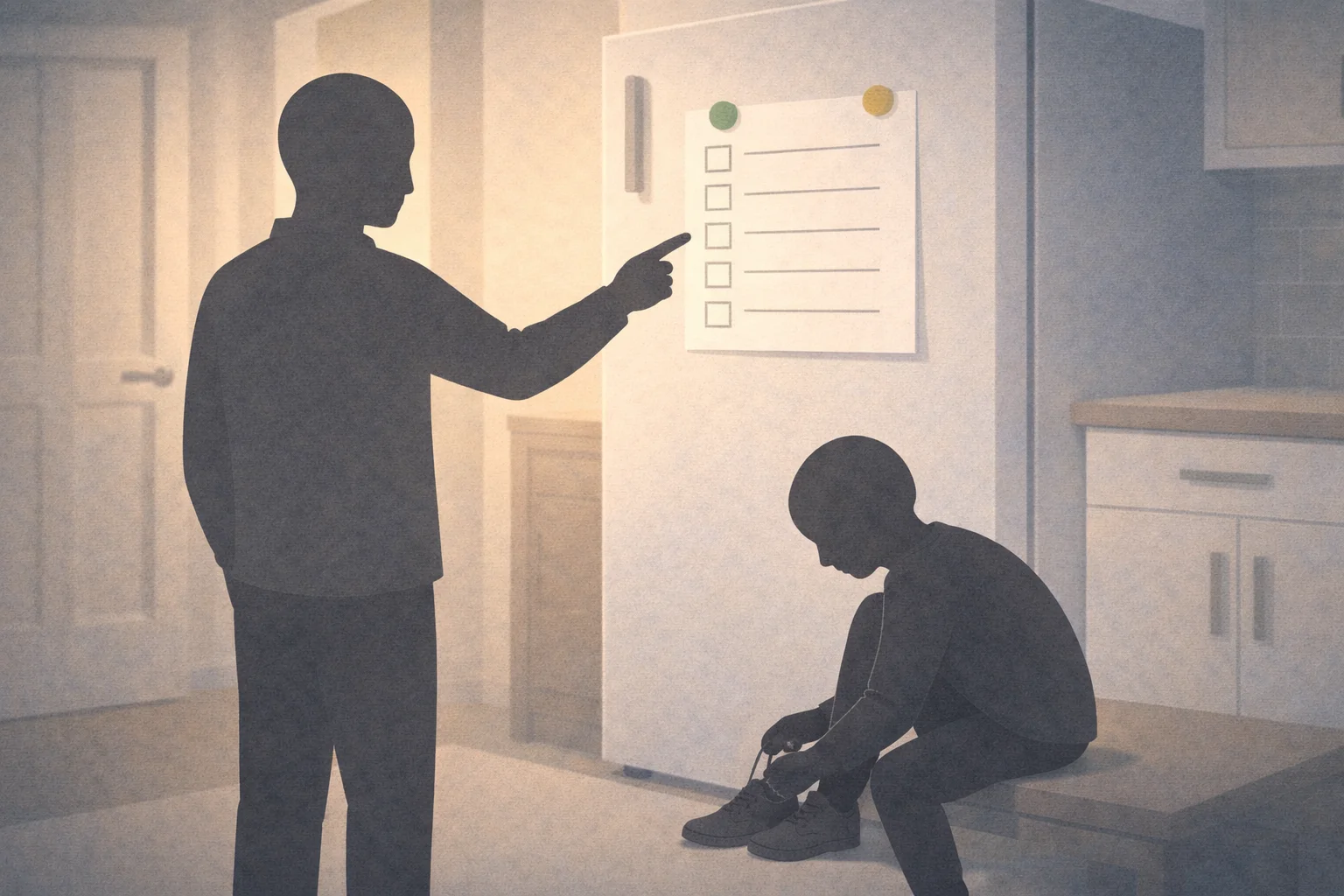
Helping a child with ADHD at home: Why it can feel so hard
Helping a child with ADHD at home is not about trying harder. ADHD can affect attention, impulse control, planning, switching tasks, and managing emotions. That is why everyday things like getting dressed, stopping screens, starting homework, or settling for sleep can turn into battles. (nhs.uk)
A helpful mindset shift is this: your child is not giving you a hard time. They are having a hard time. When you plan support around how ADHD works, home life often becomes calmer and more predictable.
What “good support” looks like at home
Helping a child with ADHD at home usually works best when you combine:
Predictability
routines and clear expectations.
External supports
visuals, timers, reminders.
Positive reinforcement
praise, rewards, and noticing effort.
Regulation supports
movement, breaks, calm spaces.
Team approach
home and school working together.
You do not need perfection. You need consistency most of the time.
Helping a child with ADHD at home with routines and transitions
Consistency is a secret weapon. Many children with ADHD do better when they know what happens next.
Start with anchor points
- Wake up time
- Mealtimes
- Bedtime
Make transitions easier
- Give a 10 minute warning
- Then 5 minutes
- Then 2 minutes
- Then the timer ends and you move
Small but powerful tip: if your child is deeply focused, do not try to transition with lots of talking. Use a calm, short script: “Two minutes. Then shoes.”
Helping a child with ADHD at home by giving instructions that land
Many children with ADHD miss instructions, not because they are ignoring you, but because attention slips. Helping a child with ADHD at home often means changing how you give requests.
A simple instruction formula
- Say their name and get close
- Make eye contact if they can tolerate it
- Give one instruction only
- Ask them to repeat it if needed
- Praise the start, not just the finish
Instead of: “Get ready for school.”
Try: “Brush teeth.” Then: “Get dressed.” Then: “Shoes on.”
Reduce distractions during key moments
If you need listening, change the environment:
- Turn off the TV
- Put phones away
- Move to a quieter space
This is not about strictness. It is about setting your child up to succeed.
Helping a child with ADHD at home by working with movement, not against it
Use daily movement as a support
Aim for movement every day, in a way that suits your child:
- Park time
- Football in the garden
- Scooter rides
- Dancing in the kitchen
- A short walk after school
Add movement breaks for focus tasks
For homework or chores:
- 15 to 20 minutes focus
- 5 minutes movement break
- Repeat
This approach helps many children stay regulated for longer without melting down.
Fidgeting can be helpful
Some children focus better with a quiet fidget. Set a clear boundary: fidgets are for hands, not for throwing or distracting others.
Helping a child with ADHD at home with big emotions and meltdowns
Big feelings are common. Your child may go from calm to furious quickly, especially when tired, hungry, or asked to stop a preferred activity.
Before the meltdown: spot the early signs
Learn your child’s cues. It might be:
- pacing
- louder voice
- tears
- clenched fists
- shutting down
When you see early signs, aim for empathy and a break: “I can see this is hard. Let’s pause.”
During the meltdown: safety and calm first
- Keep your voice low
- Use fewer words
- Give space if it helps
- Remove hazards if needed
- Focus on safety, not lessons
After the meltdown: repair and plan
- Name what happened
- Confirm you love them
- Choose one coping tool for next time
Helping a child with ADHD at home with sleep and bedtime

A calm bedtime routine that works for many families
- Wind down time
- Wash or bath
- Pyjamas
- Teeth
- Story
- Lights out
Many NHS resources also recommend a wind down period and a consistent routine. (Derbyshire Healthcare Trust)
Practical sleep supports to try
- Keep bedtime and wake time similar most days
- Avoid screens before bed where possible
- Keep the bedroom dark and calm
- Consider a gentle bedtime alarm so bedtime feels predictable
Helping a child with ADHD at home when siblings are struggling
Siblings can feel overlooked. They can also feel life is unfair. Helping a child with ADHD at home means supporting the whole family.
What helps most
- Explain ADHD in simple, age appropriate terms
- Keep core rules consistent for everyone
- Avoid making siblings “mini parents”
- Protect one to one time with each child
A small weekly slot of one to one time often reduces resentment quickly.
Helping a child with ADHD at home when siblings are struggling
Siblings can feel overlooked. They can also feel life is unfair. Helping a child with ADHD at home means supporting the whole family.
What helps most
- Explain ADHD in simple, age appropriate terms
- Keep core rules consistent for everyone
- Avoid making siblings “mini parents”
- Protect one to one time with each child
A small weekly slot of one to one time often reduces resentment quickly.
The best tools for helping a child with ADHD at home
You do not need lots of equipment. These are the tools most families use again and again.
Visual schedules and checklists
- Morning checklist by the door
- Bedtime chart by the bathroom
- “Now, next, then” board for transitions
Timers and alarms
- Homework focus blocks
- Transition countdowns
- Bedtime reminders
Reward systems that feel fair
Rewards work best when they are:
- quick
- clear
- based on effort
- achievable
Examples: stickers, points, small privilege.
When to get extra help in the UK
Helping a child with ADHD at home is important, but you should not have to do it alone.
Good first steps
- Speak to school and ask for a meeting with the teacher and SENCO. Support should be based on need, not only diagnosis. (YoungMinds)
- Talk to your GP if you are worried about sleep, anxiety, behaviour, or assessment pathways. (nhs.uk)
- Check Family Hubs in your area for joined up support for parents and carers. (GOV.UK)
Parent training and education
FAQs: Helping a child with ADHD at home
Start with one routine, usually bedtime or mornings. Keep it short, visible, and supported with a timer.
Many children with ADHD respond best to immediate feedback. Rewards can be phased down over time as habits grow. Focus on effort and progress.
This is common. After school decompression, a snack, and movement can reduce the crash.
Yes. YoungMinds notes that support should be based on needs, not a diagnosis. Ask for SENCO involvement. (YoungMinds)
If you believe your child is at immediate risk of harm, contact emergency services. If you need urgent mental health support, contact NHS urgent mental health services in your area. YoungMinds also lists urgent help options for parents. (YoungMinds)