

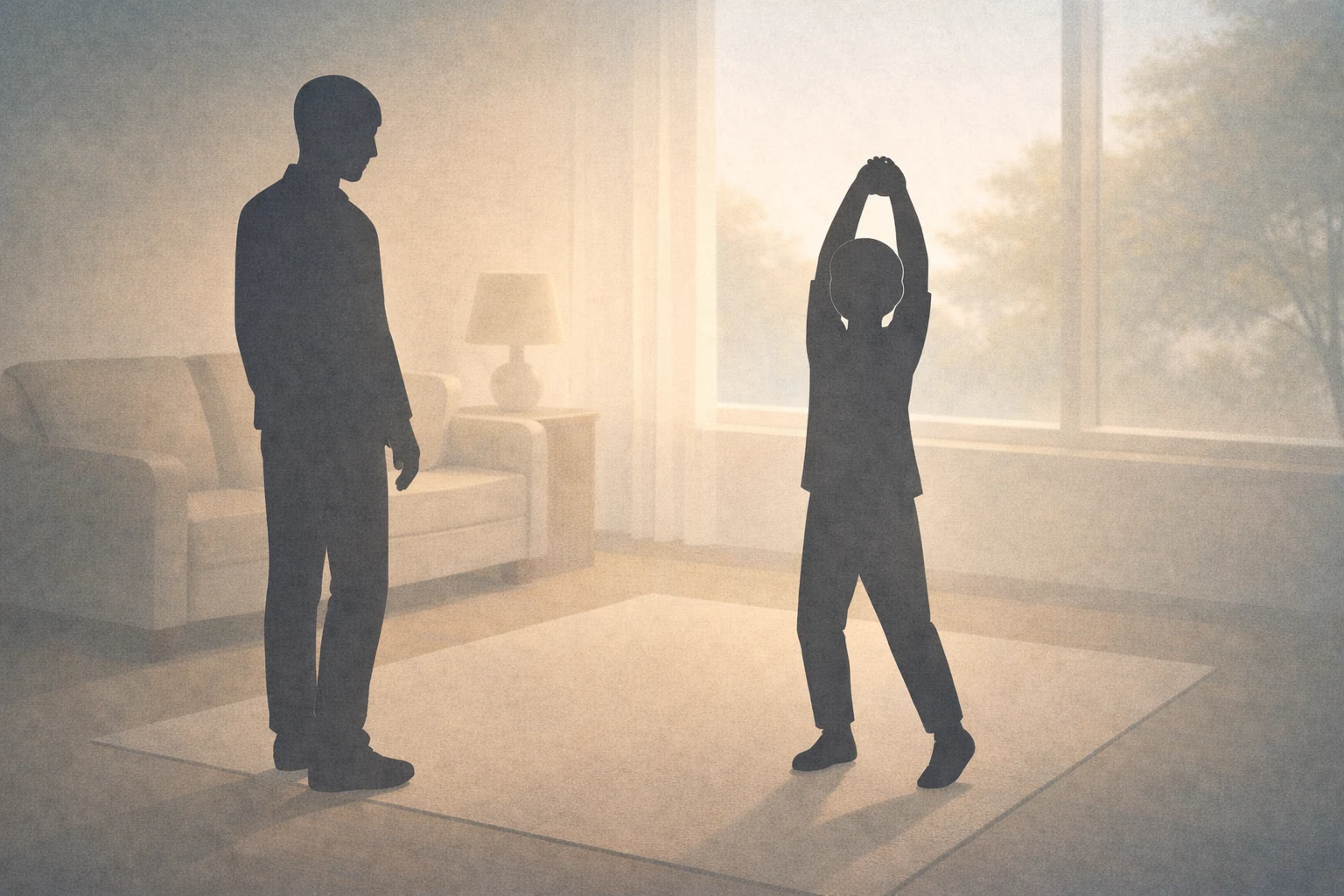
What hyperactivity and impulsivity look like at home
- constant fidgeting or squirming
- moving around when you expect sitting still
- talking a lot, loud, or fast
- interrupting, blurting, or struggling to wait their turn
- acting quickly without thinking through safety or consequences
Why these behaviours happen in ADHD
ADHD is a neurodevelopmental condition. The brain works differently in areas linked to attention, impulse control, planning, and emotional regulation. (nhs.uk)
A helpful way to think about it is this: many children with ADHD know the rules, but struggle to use the rules fast enough in the moment. That means your child is not choosing to be difficult. They often need extra support to pause, switch tasks, and calm their body.
This understanding matters because it shifts parenting from punishment first to coaching skills first.
Managing hyperactivity: practical strategies that work
Build daily movement into the routine
For ADHD homework management, the environment is not a small detail. It is a core strategy.
Use frequent movement breaks
If your child must concentrate, plan breaks before things fall apart. Berkshire Healthcare NHS advice includes offering regular breaks and allowing fidgeting to help sustain attention.
A simple pattern:
- 15 minutes focused task
- 3 minutes movement break
- repeat 2 to 4 times
Keep breaks active. A short burst of movement often resets attention better than screens.
Channel energy into helpful tasks
If your child is climbing the walls, give movement a job:
- carry laundry
- water plants
- run a note to another room
- tidy one small area with a timer
It meets the need for movement while building responsibility.
Allow controlled fidgeting
Some children focus better when their hands are busy. Try a small fidget, putty, or a wobble cushion, with simple rules about safe use.
Managing impulsivity: teaching pause and safer choices
Teach a “Stop and Think” routine
Practise it when your child is calm:
- Stop
- Breathe
- Think: what happens next if I do this?
- Choose a safer option
Praise any attempt to pause. This builds the skill over time.
Use a traffic light feelings system
Make it visual:
Green: calm
Yellow: getting wound up
Red: stop, calm first
Then agree actions for Yellow, like breathing, movement, or a calm corner.
Reduce interrupting without shaming
Agree a private signal, like a gentle tap, to remind them to wait. Correct quietly and praise when they manage turn taking.
Use immediate, proportionate consequences for safety rules
Children with ADHD often struggle with delayed consequences. Short, calm follow through works better than long punishments. Balance consequences with lots of positive reinforcement.
How to respond calmly during challenging moments
When behaviour escalates, your calm is the tool.
Keep language short and your voice low
Long lectures usually add fuel. Use short phrases:
“Stop. Safe hands.”
“I’m here. Breathe with me.”
“We can talk when you’re calm.”
Validate feelings, then hold the boundary
This helps children feel understood without giving in:
- “I can see you’re angry.”
- “It’s okay to be angry.”
- “It’s not okay to hit or throw.”
Use space and safe alternatives
If needed, guide them to a calm space. Focus on safety first, then return to teaching once calm.
Technology that supports ADHD homework management without overwhelm
- Visual timers for time blindness
- Task checklists that break work into steps
- Read aloud tools for children who understand better by listening
- Homework platform routines : check once at a set time, not all evening
Setting up an ADHD friendly home environment
Visual routines and reminders
Visual schedules reduce arguing because the routine becomes the plan, not a debate.
Clear organisation
Keep storage simple and labelled. Reduce clutter in key zones like the homework table and the morning routine area.
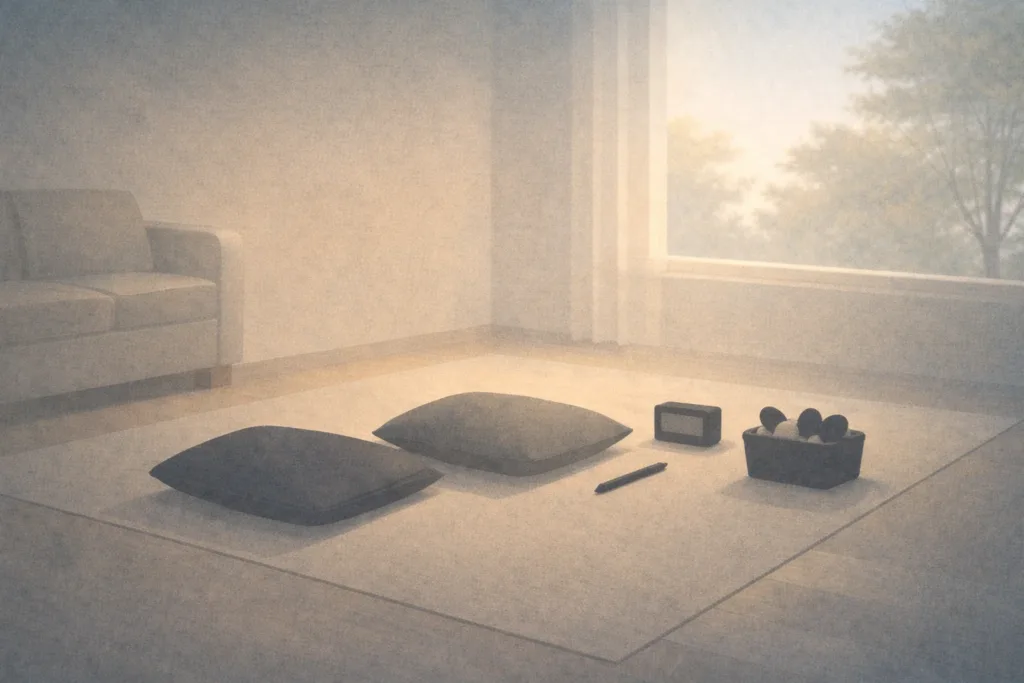
Create a calm corner
A calm corner is not a punishment spot. It is a safe place to reset with:
Cushions
Colouring
A sensory toy
Headphones
A weighted lap pad if helpful
This supports self regulation skills over time.
What not to do: common discipline mistakes to avoid
- Relying on yelling or harsh punishment: it can escalate dysregulation and shame.
- Inconsistency: changing rules day to day increases impulsive boundary testing.
- Removing essential outlets like exercise: movement often supports regulation, so taking it away can worsen behaviour.
- Public shaming or labels: criticise behaviour, not the child.
- Power struggles: use calm choices and short follow through instead.
When to seek more help in the UK
Consider extra support if:
- behaviour is unsafe, aggressive, or escalating
- school is struggling to manage behaviour
- sleep is very poor and worsening regulation
- you feel burnt out most days
Parent training programmes can give families practical strategies and improve relationships and behaviour. (NICE)
You can also speak to your GP, school, or local NHS services about local support routes. The NHS has guidance for ADHD in children and young people, including signs and support. (nhs.uk)
FAQs
Not always. Many children are energetic. ADHD is usually considered when symptoms are persistent, start early, and affect daily life across settings. (nhs.uk)
Use a private cue, practise turn taking, and praise waiting. Avoid shaming.
Use calm, immediate, proportionate consequences for safety rules. Teach what to do next time and reward effort to pause.
NHS information, school SENCO support, and parent training programmes are common starting points. (nhs.uk)
Many NHS resources for ADHD support regular breaks and movement to help attention and regulation.
Read more:
- NHS: ADHD in children and young people (nhs.uk)
- Great Ormond Street Hospital: ADHD overview (GOSH Hospital site)
- YoungMinds: ADHD parent guide (YoungMinds)
- NICE: ADHD guideline NG87 and parent training recommendations (NICE)