Safeguarding children takes teamwork. This blog explores how multi agency working helps children’s services and protective services work together across the UK. From health and education to social care and policing, we break down what it means to truly work together to safeguard children, and how this collaboration changes lives for the better.

Quick Take
Safeguarding children isn’t something any one organisation can do alone. In the UK, the phrase “working together to safeguard children” isn’t just a policy—it’s a legal and moral duty that brings together local authorities, schools, health services, the police, and children’s homes like Welcare. This joined up approach, known as multi agency working, ensures that no child slips through the cracks. In this guide, we’ll explain what multi agency safeguarding really looks like, how it strengthens children’s services and protective services, and why it’s key to giving every child the safe, supported future they deserve.
Introduction: Why Working Together Saves Lives
Every child deserves to feel safe, seen and supported. But when a child is at risk—whether through neglect, abuse, exploitation or trauma—it takes more than one set of eyes to recognise and respond. That’s where working together to safeguard children becomes more than a phrase. It becomes the framework for action.
In children’s social care across the UK, multi agency working is the backbone of safeguarding. It means health professionals, social workers, police officers, teachers, and care providers like Welcare all working side by side. Together, they form a safety net built not just on protocols, but on shared purpose: to protect, to empower, and to prevent harm before it happens.
In this in depth guide, we explore how multi agency safeguarding works in practice. We break down the roles of key services, examine the laws that underpin collaboration, and shine a light on the everyday efforts of protective services that save lives—quietly, constantly, and often behind the scenes.
What Does ‘Working Together to Safeguard Children’ Mean?
“Working together to safeguard children” is more than a slogan. In the UK, it’s a legal requirement underpinned by statutory guidance, defining how all agencies involved in child welfare must coordinate to identify, prevent, and respond to harm.
The term originates from the Working Together to Safeguard Children guidance published by the Department for Education. This guidance is updated regularly—most recently in 2023—and applies to all organisations that provide services to children and families, including local authorities, NHS trusts, police forces, schools, and children’s homes like Welcare.
At its core, it means:
- Recognising risk early.
- Sharing relevant information clearly and lawfully.
- Making joint decisions to protect children from harm.
- Putting the child’s needs at the centre of every plan.
A Child Centred Example
Imagine a teacher notices a child arriving to school frequently hungry and withdrawn. They raise a concern with their safeguarding lead, who contacts children’s social care. A social worker visits the home, where they discover signs of neglect. Health services, housing providers, and the child’s care team all come together to create a safety plan.
Each agency brings a unique piece of the puzzle. But only by working together can they build the full picture and make real, lasting change in that child’s life.
At Welcare, this approach is embedded into everything we do—from referrals and care planning to therapeutic support and transitions into adulthood. Because we know that safeguarding is strongest when it’s shared.
Why Is Safeguarding a Shared Responsibility?
No single agency or professional can keep a child safe alone. Safeguarding is complex. Children may experience harm in many forms—emotional abuse, physical neglect, exploitation, exposure to domestic abuse—and these risks often overlap. That’s why safeguarding must be a shared responsibility, woven into the work of everyone who interacts with children.
Why Individual Agencies Can’t Do It Alone
Let’s say a GP notices signs of anxiety in a teenager. That GP may not know the child is missing school, or that their home life is unstable. A school might see behaviour changes but not know about recent police involvement. A care home staff member might witness aggression without knowing the child has a CAMHS referral. Each service sees a part—but without sharing, the wider picture remains incomplete.
By working together, agencies combine their perspectives to:
- Spot risks earlier
- Coordinate safe, appropriate responses
- Reduce gaps where harm can go unnoticed
- Offer more holistic, consistent support to the child and family
The Child at the Centre
Effective safeguarding is always child centred. That means decisions must prioritise the child’s safety, wellbeing, and voice—above convenience, funding, or process. Every adult involved, from social workers to school staff, shares a duty to protect.
At Welcare, we actively work with local authorities, NHS services, schools, and police to ensure our children are safe and thriving—not just within our homes, but across every part of their lives.
Multi Agency Working in Children’s Services
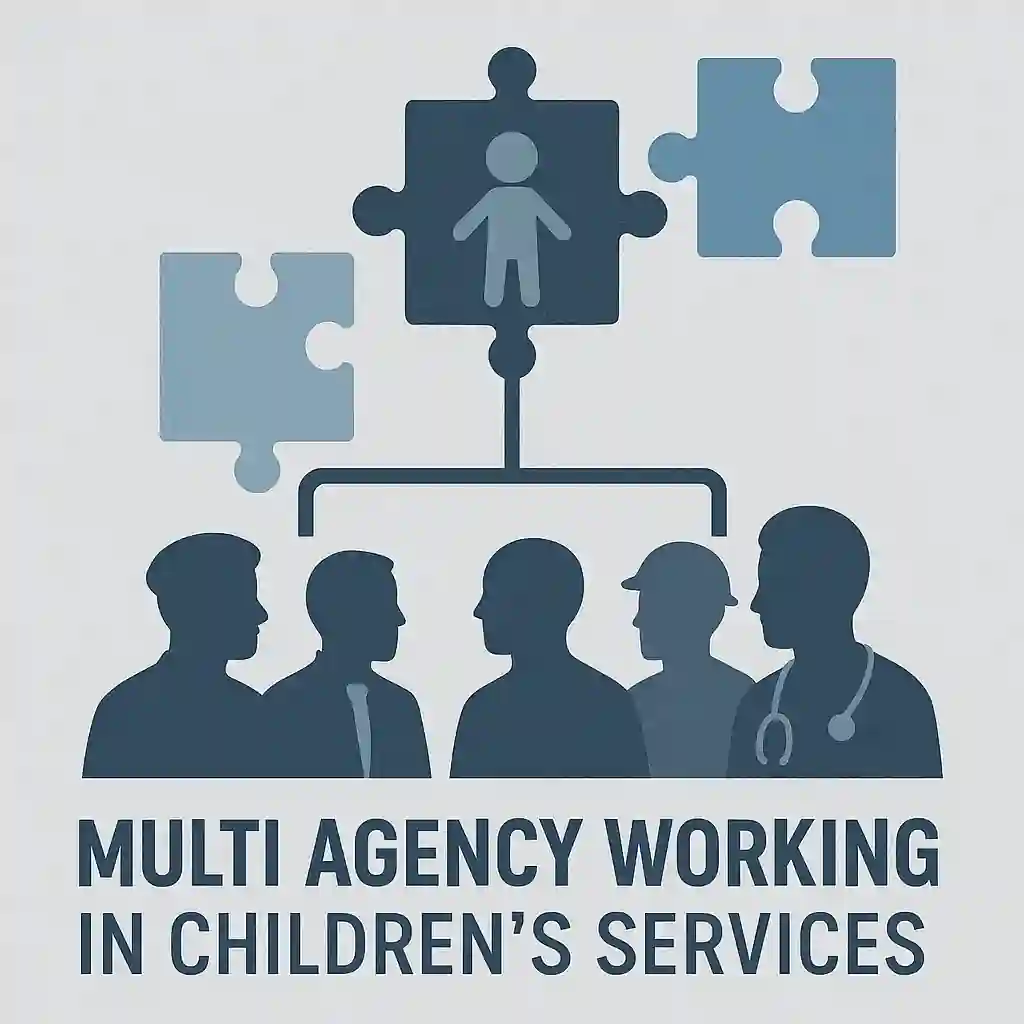
At the heart of the UK’s safeguarding system lies multi agency working—a coordinated approach that unites different professionals and services to protect children effectively. It’s not optional. It’s essential.
What Is Multi Agency Working?
Multi agency working is when professionals from different sectors come together to assess, plan, and support a child’s safety and wellbeing. These partnerships typically include:
- Children’s social care (e.g. safeguarding teams, early help)
- Health services (e.g. GPs, school nurses, mental health practitioners)
- Education (e.g. schools, early years settings, special education teams)
- Police and criminal justice (e.g. youth offending services, child exploitation units)
- Voluntary and private sector providers (like Welcare, children’s homes, advocacy services)
The aim is to build a joined up plan that meets the child’s needs from all angles. This means working in real time, sharing information securely, and responding quickly when a child is at risk.
Key Legislation and Guidance
Multi agency safeguarding in the UK is governed by several important laws and policies:
- Working Together to Safeguard Children (2023) – sets out statutory duties for all safeguarding partners
- Children Act 1989 & 2004 – outlines responsibilities of local authorities and others in protecting children
- Keeping Children Safe in Education (KCSIE) – legal guidance for all education providers
- The Care Act 2014 – relevant when young people transition into adult services
These documents place a legal duty on professionals to collaborate, communicate, and take action where there are safeguarding concerns.
A Real World Example of Collaboration
A 13 year old living in a Welcare home shows signs of trauma and disengagement. Staff raise concerns during a team meeting. Within 48 hours:
- A Looked After Children nurse visits the child to assess their health.
- A virtual school head arranges tailored educational support.
- A therapist from CAMHS joins Welcare’s internal keyworkers to plan trauma informed support.
- A social worker chairs a multi agency meeting to review safety plans.
This kind of proactive, joined up care saves lives—and it’s what multi agency working is all about.
Key Roles in Multi Agency Safeguarding
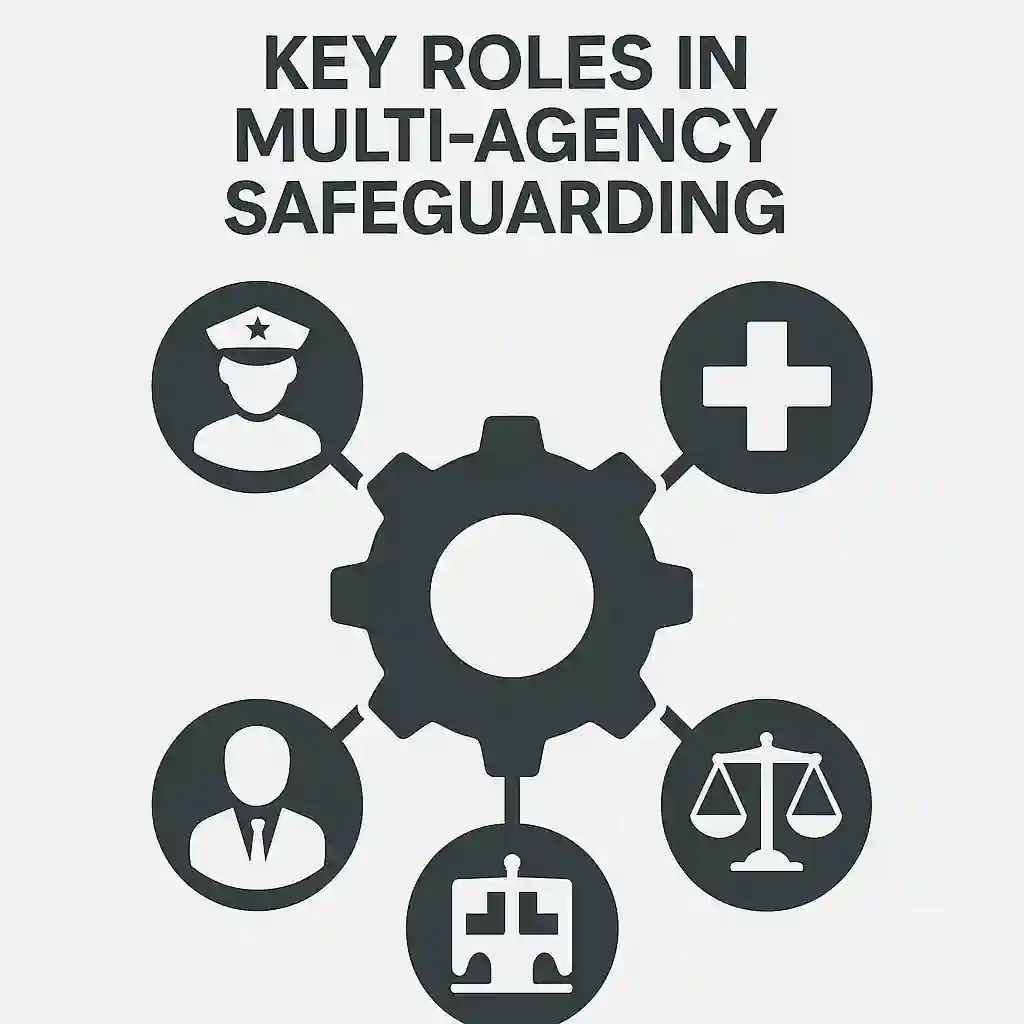
Safeguarding works best when every professional involved in a child’s life knows their role, takes responsibility, and communicates effectively. Here’s how different agencies contribute to this shared effort.
The Role of Local Authorities and Children’s Services
Local authorities hold legal responsibility for safeguarding children under the Children Act 1989. Their children’s services departments coordinate protection plans, interventions, and long term care strategies.
Key responsibilities include:
- Conducting safeguarding investigations (Section 47 enquiries)
- Holding Child Protection Conferences and Core Group meetings
- Coordinating early help services to prevent escalation
- Overseeing looked after children in foster care or residential homes
Social workers are often the central link in a multi agency team. At Welcare, we work closely with each child’s allocated social worker to ensure consistent communication, review meetings, and safeguarding oversight.
The Role of Schools and Education Providers
Teachers and school staff are often the first to notice when something’s not right. Changes in behaviour, attendance, or performance can be early indicators of harm.
Each school must have:
- A Designated Safeguarding Lead (DSL)
- A clear process for reporting and escalating concerns
- A duty to attend multi agency safeguarding meetings
Schools play a vital role in prevention too, teaching pupils about consent, online safety, healthy relationships, and how to seek help.
Health Professionals and NHS Services
From GPs and health visitors to mental health specialists and paediatricians, health services are essential in identifying concerns that may be missed elsewhere.
Health professionals:
- Conduct medical assessments in suspected abuse cases
- Support children’s physical and mental wellbeing
- Contribute to multi agency meetings and care plans
- Share safeguarding information under the Caldicott Principles
In Welcare homes, children regularly receive care from community nurses, CAMHS, and looked after children’s health teams, ensuring all health concerns are addressed.
Police and Protective Services
The police have a unique role in child protection:
- Investigating abuse, exploitation, or serious risk
- Attending joint visits with social workers
- Enforcing Child Abduction Warning Notices (CAWNs) or criminal charges where needed
- Contributing to Multi Agency Risk Assessment Conferences (MARACs)
Police child protection units also work on high risk cases such as Child Sexual Exploitation (CSE), County Lines, or missing children.
Their involvement helps keep both the child and their wider environment safe from ongoing risk.
Challenges in Multi Agency Working
While the benefits of multi agency safeguarding are undeniable, effective collaboration doesn’t come without hurdles. Understanding these challenges is key to improving outcomes for children.
Communication Barriers
Poor communication is one of the most common reasons safeguarding breaks down. Agencies may:
- Use different language or jargon
- Rely on incompatible systems for storing records
- Be unclear about who is responsible for follow up
This can lead to delays, duplication of work, or missed risks.
Solution:
Clear protocols, secure digital platforms, and designated leads for each case improve the flow of information. At Welcare, we use secure channels for all inter agency communications and ensure all staff are trained in best practice for data sharing and documentation.
Organisational Culture Clashes
Different agencies have different priorities, working cultures, and risk thresholds. For example:
- A health professional might focus on medical compliance.
- A teacher may be concerned about attendance.
- A residential carer may focus on emotional regulation and daily behaviour.
This can sometimes lead to conflicting views or delays in decision making.
Solution:
Building trust, mutual respect, and a shared safeguarding language through regular joint training helps overcome silos.
Threshold Confusion
Each agency has their own definition of what constitutes ‘significant harm’ or a child ‘in need’. This can create:
- Inconsistent thresholds for referrals
- Disagreements over levels of risk
- Children falling between the cracks because no agency meets the threshold for action
Solution:
The Working Together guidance encourages the use of shared threshold tools, local safeguarding partnerships, and clear escalation routes.
Resource Constraints
Public sector services across the UK face mounting pressures:
- High caseloads
- Limited funding
- Staff shortages
- Burnout and retention issues
These affect response times, consistency, and capacity to attend multi agency meetings.
Solution:
Creative partnerships with voluntary and community organisations like Welcare can help bridge the gap by offering additional therapeutic support, placements, and tailored care provision.
Best Practice in Multi Agency Safeguarding
Despite challenges, thousands of safeguarding professionals across the UK work tirelessly—and successfully—every day to protect children. The most effective safeguarding happens when best practice is embedded across all agencies.
Information Sharing: Getting It Right
Information sharing is often misunderstood. Professionals may fear breaching GDPR or overstepping confidentiality. But when a child is at risk, safeguarding concerns override data protection laws.
Key principles:
- Always share concerns that relate to safety or welfare.
- Use secure, appropriate channels.
- Record all communications accurately.
Welcare follows strict data sharing protocols and works in line with the Information Sharing: Advice for Safeguarding Practitioners guidance.
Professional Curiosity and Escalation
“Professional curiosity” means not accepting the first explanation or ignoring red flags. It’s about:
- Asking deeper questions.
- Noticing patterns.
- Escalating if things don’t feel right.
Staff at Welcare are trained to be respectfully inquisitive and to challenge decisions if they believe a child remains at risk.
Reflective Supervision and Trauma Informed Practice
Safeguarding is emotional work. Practitioners need safe, structured spaces to reflect on decisions, process trauma, and stay grounded in child centred care.
At Welcare, staff receive regular reflective supervision and trauma informed training to help them understand behaviours and build meaningful, healing relationships.
Welcare’s Multi Agency Approach in Action
Welcare’s model is built around collaboration. Every child in our homes benefits from:
- A tailored Care Plan and Pathway Plan co developed with local authorities
- Regular multi agency reviews involving health, education, and social care
- Specialist services such as CBT, Equine Therapy, and Play with Pets Therapy
- Referrals and joint working with CAMHS, youth justice, and safeguarding teams
By working in close partnership, we ensure that support is not just available—but also consistent, joined up, and responsive to the child’s evolving needs.
How Children Benefit from Multi Agency Safeguarding
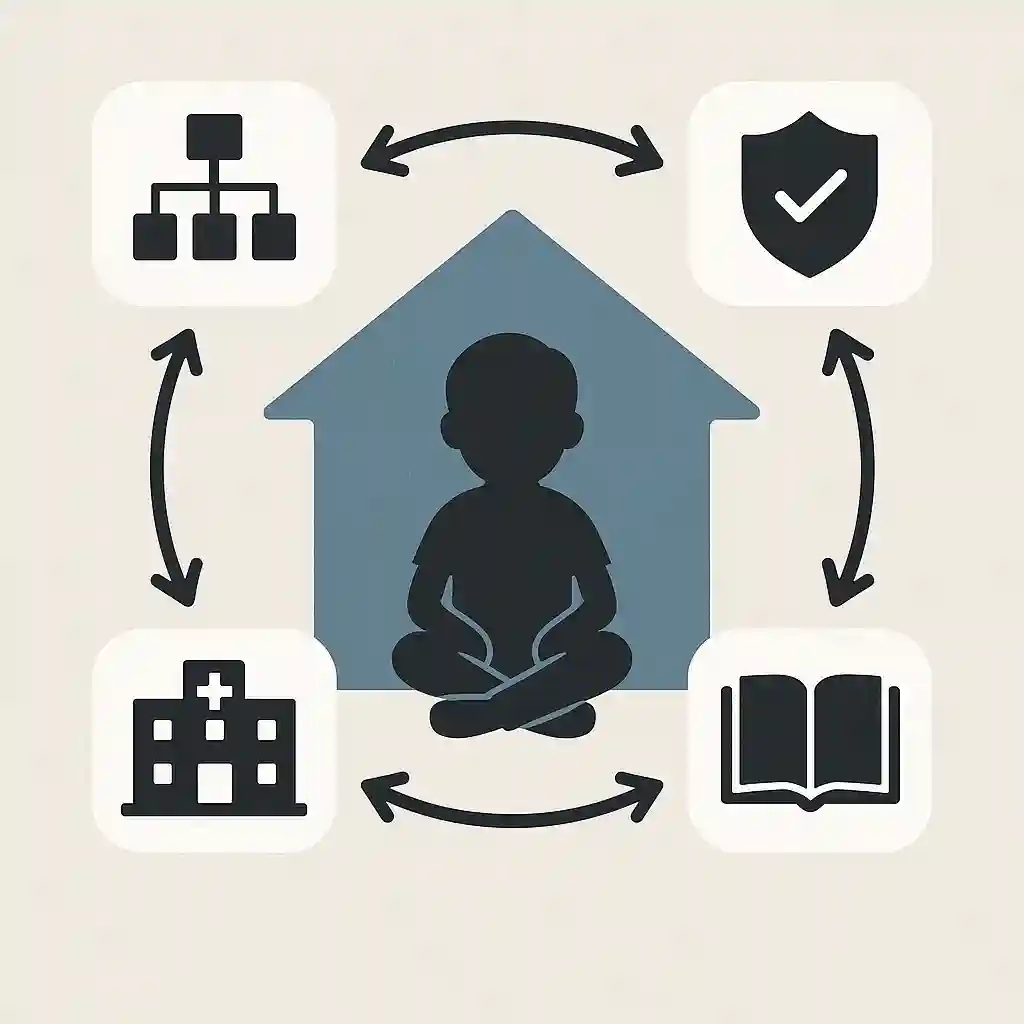
At the heart of every safeguarding plan is a child. Multi agency working isn’t about processes—it’s about real children, real families, and real lives being changed for the better.
Joined Up Support, Not Fragmented Services
When agencies work in isolation, children can feel lost in the system. Multi agency safeguarding ensures:
- One clear plan with shared goals
- Fewer delays and repeat assessments
- Consistency in care and messaging
- Better transitions between services (e.g. from care to school, or into adulthood)
This gives children stability, predictability, and trust—especially vital for those who’ve experienced trauma.
Earlier Intervention and Prevention
By pooling information, professionals can spot signs of harm sooner. This means:
- Risks are identified before they escalate
- Support is offered early, not just after a crisis
- Families get help when they need it, not when it’s too late
Welcare supports early intervention by offering therapeutic services, family engagement, and step down support from residential care into independent living.
Better Outcomes in Health, Education and Wellbeing
Children supported by multi agency teams are more likely to:
- Attend and engage in education
- Access timely mental health support
- Feel safe, heard and valued
- Achieve independence and long term success
Future Directions in Multi Agency Working
Safeguarding practice must evolve as the challenges facing children change. From digital risks to funding pressures, the future of safeguarding will rely even more heavily on strong, agile multi agency collaboration.
Digitisation and Secure Data Platforms
Technology is transforming the way agencies work together. New tools are helping:
- Share safeguarding records securely and in real time
- Track children’s journeys across services
- Flag patterns of risk automatically
- Reduce duplication and missed opportunities
Initiatives like the NHS Child Protection Information Sharing (CP IS) system are already improving information flow. Welcare is committed to adopting digital solutions that protect privacy while strengthening responsiveness.
Post Pandemic Adaptations
COVID 19 exposed vulnerabilities in safeguarding. Children were ‘invisible’ during lockdowns. Going forward:
- Agencies must stay alert to hidden harms, including mental health struggles and online exploitation
- Virtual safeguarding meetings are becoming more common—offering flexibility but requiring clear boundaries and protocols
- Outreach models and community based support will need to expand
Strengthening the Role of Not for Profits
Voluntary and charitable organisations, like Welcare, play a vital role in multi agency safeguarding:
- Offering trauma informed residential care and supported living
- Filling gaps where statutory services are stretched
- Advocating for the child’s voice within complex systems
As budgets tighten, local partnerships with trusted care providers will become more essential than ever.
Greater Integration with Adult Services
For older teens, especially those in care, the transition to adulthood can be a critical risk point. Future safeguarding must include:
- Joint planning between children’s and adult services
- Support for housing, employment, and wellbeing beyond age 18
- Care leaver specific protective services
Welcare’s Step Change and Supported Living services already embed this transitional planning into each child’s journey.
Resources
To support professionals, carers, and agencies, here are key links to learn more, make referrals, and build best practice in multi agency safeguarding.
Learn about Welcare’s safe, trauma-informed residential settings for children and young people.
Partner with us to begin a child’s journey into supported, therapeutic care.
Explore our therapies including CBT, Equine Therapy, and Play with Pets Therapy.
Understand our safeguarding approach and commitment to keeping every child safe.
Working Together to Safeguard Children (GOV.UK)
Official statutory guidance for safeguarding professionals in England.
NSPCC: Safeguarding and Child Protection
Advice, training and resources to help organisations protect children and promote welfare.
Ofsted: Safeguarding Children Policy
safeguarding policy.
Got a question?
Frequently Asked Questions

What does working together to safeguard children involve?
It means all professionals—schools, social workers, health services, police, and care providers—collaborating to prevent harm and protect children. This includes sharing concerns, creating joint care plans, and responding quickly when risks arise. At Welcare, this principle shapes everything we do, from daily care to long term outcomes.
Who is responsible for safeguarding a child?
Safeguarding is everyone’s responsibility. While local authorities hold the legal duty, all professionals who work with children must act if they’re worried about a child’s safety or wellbeing. Parents, carers, and community members also play a vital role in raising concerns early.
What are the benefits of multi agency working?
Multi agency working leads to:
- Earlier identification of risk
- More joined up and effective protective services
- Improved consistency across children’s services
- Better outcomes for children in care or at risk
What services does Welcare provide to support safeguarding?
Welcare offers:
- Therapeutic residential care
- Supported living services
- Equine therapy and play based interventions
- Cognitive Behavioural Therapy (CBT)
- Close partnership working with NHS, schools, social care, and police
Each service is designed to keep children safe, supported and empowered.
How can I refer a child or young person to Welcare?
Referrals can be made directly through our secure portal or by contacting our referrals team. We work closely with local authorities, social workers, and multi agency partners to ensure a safe, smooth transition into our care. Visit Make a Referral to begin the process.