This article explores how wellbeing activities during a recent residential lodge trip helped a young person build confidence, emotional awareness and trust. From shared cooking to mini golf, cultural dining and calming hot tub routines, every moment created space for growth, connection and genuine joy. This warm, reflective piece shows how meaningful experiences can strengthen …
TL;DR
This blog explains how a residential lodge trip became a powerful therapeutic experience filled with wellbeing activities that supported a young person’s confidence, emotional insight and relationship building. Through shared routines, playful moments, cultural experiences and calm environments, he developed trust, humour and maturity while feeling genuinely cared for and understood.
Residential trips can be powerful turning points in a young person’s life.
When planned with care, warmth and structure, they create the right space for reflection, growth and connection. During our recent residential lodge stay, we saw how simple, thoughtful wellbeing activities helped a young person relax, express himself openly and build meaningful confidence. Every moment from choosing his room to sharing laughter in the hot tub played a part in shaping a positive and therapeutic experience.
Wellbeing activities are not complicated or clinical. They are small, intentional actions that help young people feel safe, grounded and understood. For this young person, the lodge trip provided the ideal setting. It offered quiet moments in nature, playful activities, calm routines and trusted relationships. These ingredients came together to support emotional awareness in a comfortable and natural way.
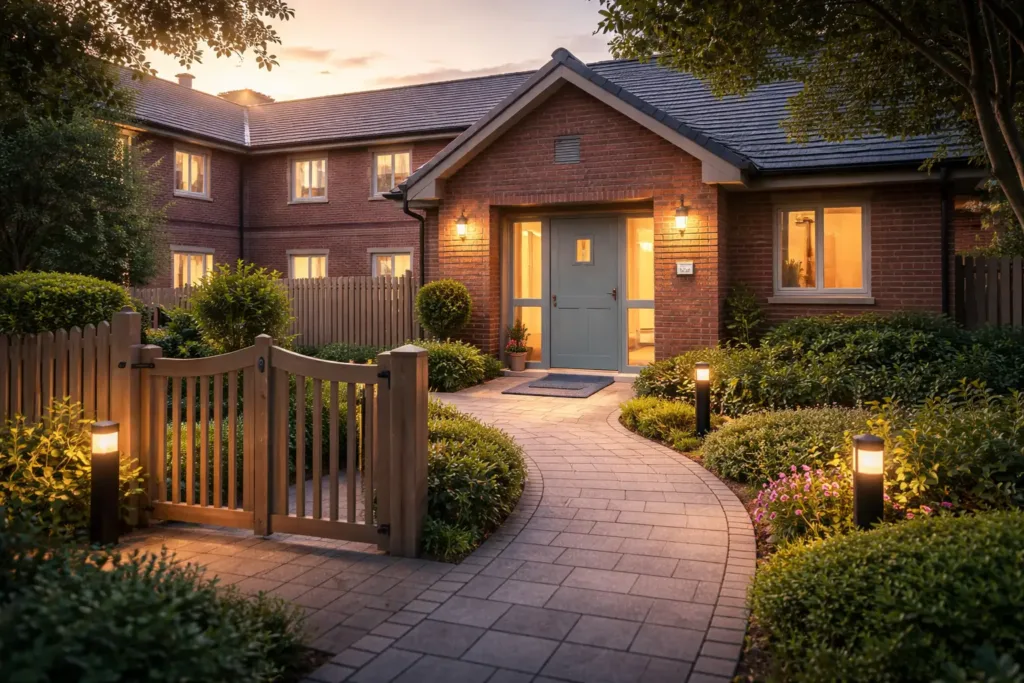
From the moment he arrived at Angrove Lodge, there were early signs that this environment was exactly what he needed. He explored the lodge at his own pace, looked around with curiosity and happily selected his room. He showed excitement and anticipation for the weekend ahead. Within minutes, he was already planning his first wellbeing activity. He wanted to get into the hot tub straight away, pointing it out to staff with a smile and asking for it to be switched on. This eagerness to engage positively told us that he felt safe and settled in the new space.
The trip was designed to offer a balance of structure and choice. It included calm sensory experiences, playful activities, shared cooking, time outdoors and moments of reflection. All of these were chosen because they help young people manage their emotions, build trust and develop confidence. Residential care can be busy and often emotionally demanding, so stepping into a peaceful environment with fresh scenery and supportive adults gives young people the chance to breathe. It also allows staff to see them shine in ways that sometimes get overlooked in day to day routines.
During the first evening, the young person joined staff in preparing food, tending to the barbeque and relaxing together in the hot tub. The atmosphere was light and friendly. Conversations flowed naturally and the pace was slow enough for him to unwind. This gentle start to the trip set the foundation for the positive wellbeing activities that followed. As the warm water bubbled around us and the barbeque cooked in the background, staff and young person shared laughter, small jokes and moments of connection that can only happen when a young person truly feels comfortable.
His words throughout the trip reflected this sense of ease. Several times he told staff, “I love it here, this is exactly what I needed.” These moments were powerful. They showed not only gratitude but emotional insight. He understood what made him feel calm and supported. He recognised the difference that peaceful surroundings and patient relationships made to his mood. For a young person in residential care, the ability to reflect in this way shows maturity and growing confidence.
This trip was not simply about fun activities. It was about giving him the right environment to relax, connect and be himself without pressure. Wellbeing activities such as shared cooking, gentle conversations, cultural experiences and games like mini golf helped him express humour, pride and independence. They offered structure without being restrictive and supported emotional safety without feeling clinical. Each activity was part of a wider picture aimed at helping him feel grounded and confident in his own identity.
The lodge stay reminded us that the most powerful therapeutic moments often happen in ordinary settings. A warm robe after an early breakfast, choosing a meal that reflects his culture or laughing at a playful slip in the hot tub all carried meaning. They created memories that strengthened relationships and helped him feel part of something supportive.
As we look back on the first part of this trip, it is clear that wellbeing activities were present in every part of the experience. They helped him begin the weekend feeling cared for, valued and ready to grow. In the following sections, we explore how each activity contributed to his confidence, his emotional awareness and the positive behaviour we witnessed throughout the journey.
Wellbeing Activities That Built Trust And Connection
The heart of the residential trip was the time spent together in simple, calm and enjoyable moments. These moments were not just activities. They were carefully chosen wellbeing activities that helped the young person feel relaxed, valued and connected to the staff supporting him. Throughout the trip, his confidence grew because he felt emotionally safe and free to be himself. Part of creating this environment involved slowing down, being fully present and allowing humour to become a gentle bridge between staff and young person.
The Hot Tub Routine As a Calming Wellbeing Activity
The first wellbeing activity he chose was the hot tub. From the moment he arrived, he pointed towards it with enthusiasm and asked for it to be turned on. This showed that he already felt comfortable enough to express his preferences. Staff joined him once the water warmed up, and the hot tub quickly became a central part of the weekend. The warm water created a peaceful atmosphere where conversations flowed easily. The bubbling sound softened the space, helping him settle and relax.
There was a lighthearted moment when Hussnain arrived and slipped while trying to sit down. Water splashed everywhere, and the incident became one of the main jokes of the trip. The shared laughter helped break any remaining tension and created a friendly, family-like atmosphere. Humour is a powerful therapeutic tool because it breaks down barriers and helps young people connect with others without feeling judged. This cheerful moment laid the foundation for trust, showing that staff could enjoy life alongside him.
Shared Cooking And Mealtimes As Grounding Routines
Food played a powerful role in this trip. Preparing meals together encouraged teamwork and created a natural rhythm to the day. Staff marinated food, tended to the barbeque and invited him to join in at his own pace. He cooperated willingly, showing respect and interest. Mealtimes provided dependable structure, something that many young people find comforting.
Shared cooking is one of the most effective wellbeing activities in residential care. It offers sensory experiences, predictable routines and moments of achievement. The young person watched the food cook, enjoyed the smells drifting around the lodge and chatted casually with staff as everyone worked together. Eating meals as a group helped him feel part of something stable and welcoming. Food became a symbol of care, connection and consistency.
Relaxation and Rest
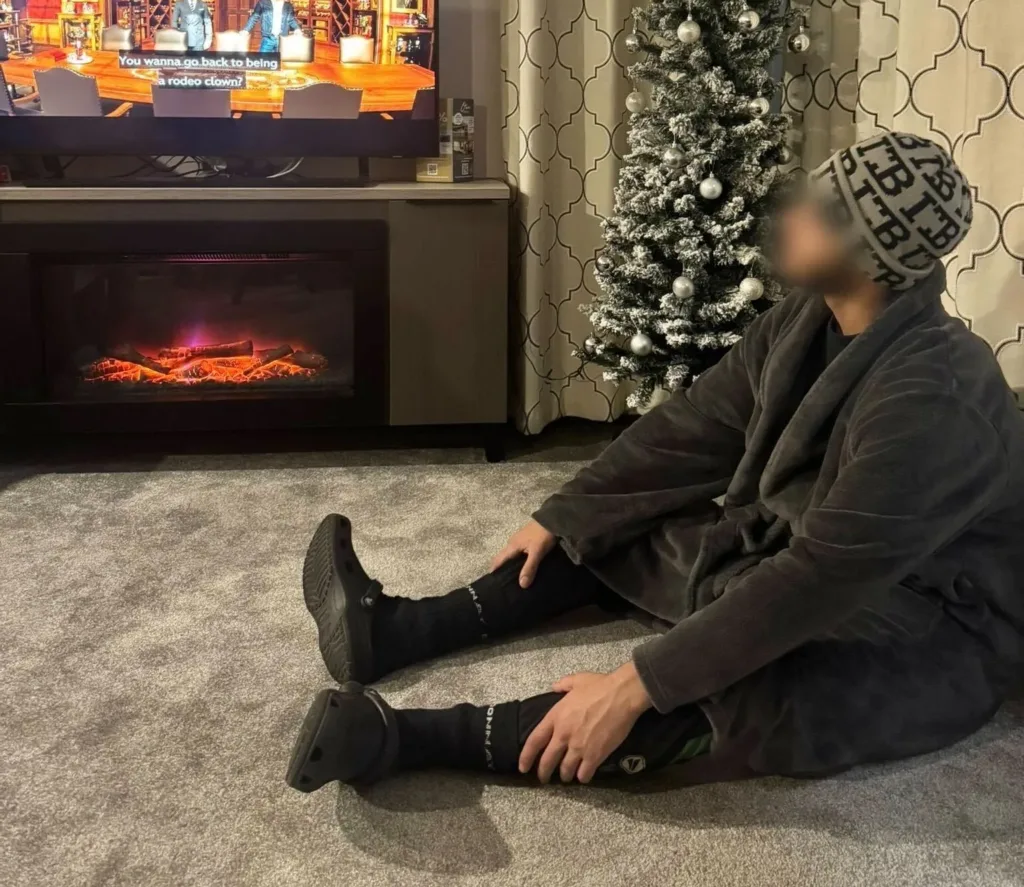
The following morning, he woke up gently, came downstairs to eat toast and walked around the lodge in the complimentary robe and a hat. It was a simple moment, but it said a lot. He felt at home, comfortable enough to be relaxed in his own way. After breakfast, he returned to bed for another rest, showing that he felt safe and free to listen to his body.
Rest is one of the most important wellbeing activities for young people, but it is often overlooked. In residential care, routines can be busy and emotionally demanding. Offering unstructured time helps young people regulate their emotions and recharge. His relaxed behaviour showed that the trip was meeting his needs for calm, space and gentle predictability.
Staff Presence and Emotionally Attuned Practice
Throughout the stay, staff focused on being present rather than directing every moment. This approach helped him feel seen without feeling pressured. During conversations in the hot tub or around the lodge, staff listened to him closely and responded with patience. When he wanted space, he got it. When he wanted company, staff were there.
Emotionally attuned practice is central to wellbeing activities. It helps young people recognise their feelings and regulate their emotions. Staff also used natural opportunities to discuss the plan for the day, checking that he felt prepared, informed and included. These small acts of consideration helped him trust the adults around him.
Confident Expressions of Gratitude and Emotional Insight
Across the trip, he repeatedly said, “I love it here, this is exactly what I needed.” These were not passing comments. They showed emotional awareness, gratitude and an ability to reflect on his experiences. Young people do not always have the confidence or language to express how they feel, so these words were meaningful. They demonstrated maturity and a growing sense of security.
His insight gave staff valuable information about what helps him thrive. Calm environments, predictable routines, nature, humour and respectful relationships all supported his wellbeing. These insights will guide future planning, ensuring that wellbeing activities remain central to his care.
Wellbeing Activities Through Play, Culture and Community
Wellbeing activities are most effective when they feel natural, enjoyable and connected to a young person’s interests. During this residential trip, every activity whether playful, cultural or reflective contributed to a strong sense of belonging. These experiences helped the young person express humour, confidence and cultural pride while strengthening the relationships around him. This section explores how simple moments such as watching a sunset or playing mini golf became meaningful opportunities for personal growth.
The sunset trip to Saltburn
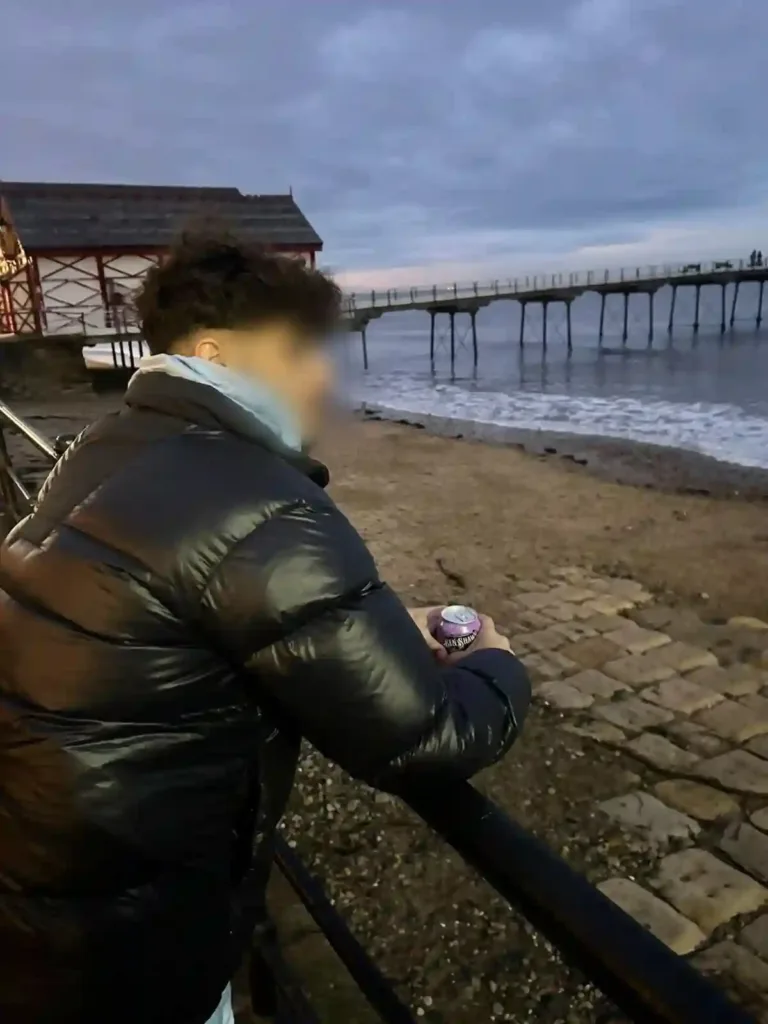
One of the most memorable wellbeing activities from the trip was the visit to Saltburn. The group set off in the mid afternoon and drove calmly towards the coast. The journey created a peaceful transition between the restful morning and the evening activities. When they arrived, the young person stepped out into the fresh seaside air and walked along the promenade with staff.
The group searched for an open fish and chip shop, talking casually as they moved along the coastline. The weather was cool, but the walk created a gentle sense of calm. The natural environment played a significant role in supporting his wellbeing. The sound of the waves, the movement of the wind and the changing colours of the sunset all helped him stay relaxed and present. Nature is often one of the most effective wellbeing activities for young people because it offers quiet, grounding moments without pressure.
While waiting for their food, the young person tried dandelion and burdock for the first time. He quickly spat it into the bin, which caused shared laughter between him and staff. This small, playful moment showed his growing comfort. He was confident enough to try something new, and secure enough to react honestly without feeling embarrassed. Humour continued to strengthen connections, making the atmosphere warm and enjoyable.
The Playful Energy of Inside Jokes
Earlier in the trip, Hussnain’s slip into the hot tub created the first inside joke of the weekend. Later on, the group carried that same playful energy to Saltburn. When they reached a fishery named Oscar’s, they stood outside calling out “keema,” a nickname the young person used for one of the staff members. This joke continued throughout the trip and became a shared language between them. For a young person, humour is more than entertainment. It is a powerful relational tool that shows trust, comfort and belonging. Inside jokes help build identity within a group and make a young person feel included.
Mini Golf as an Empowering Wellbeing Activity
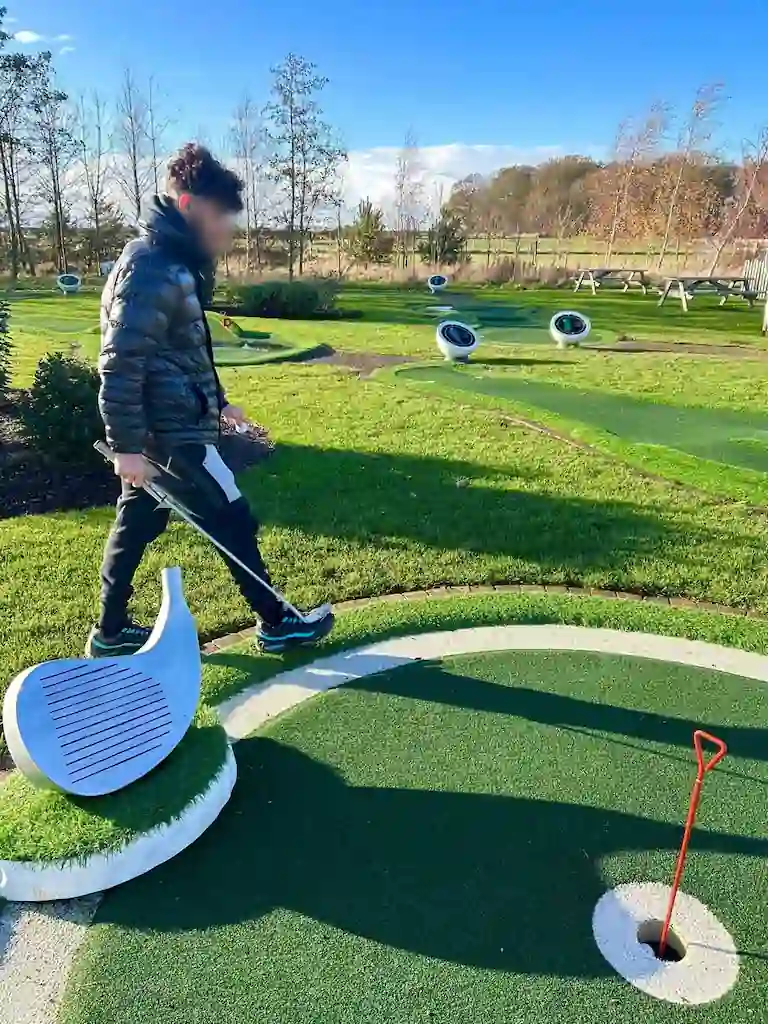
The next morning, after checking out of the lodge, the group headed to the mini golf area. This was one of the trip’s most confidence building wellbeing activities. Mini golf is light, enjoyable and easy to join without feeling pressured. It encourages movement, concentration, patience and friendly competition.
During the activity, the young person joked that he “could be a pro golfer.” This playful comment revealed something important. He felt proud of his efforts and confident enough to share it aloud. He also showed humour and imagination, both of which are signs of emotional comfort. Mini golf also gave staff the chance to engage with him through shared achievement, encouragement and relaxed conversation. These moments help young people build self esteem in a gentle, organic way.
Exploring Middlesbrough and Supporting Autonomy
After mini golf, the group continued the day with a trip to Middlesbrough. They drove past landmarks, including the James Cook Hospital, before parking in the centre and walking together into town. The search for a halal parmo restaurant gave the young person a chance to express his preferences and feel respected. Staff centred his needs by making him part of the decision making process. Autonomy is an important part of wellbeing activities because it allows young people to feel heard and valued.
This thoughtful approach told the young person that his culture, comfort and individuality mattered. It also supported a key aspect of therapeutic care. Young people build confidence when adults show them that their thoughts and identities are important.
Cultural Pride at the Lebanese Restaurant
The Lebanese restaurant provided one of the most meaningful wellbeing activities of the entire trip. Once seated, the young person spoke in his home language and explained dishes to staff with confidence and pride. His cultural identity was fully celebrated, creating a warm and inclusive atmosphere.
Cultural experiences are essential wellbeing activities for young people in residential care. They strengthen self esteem, reconnect young people with their roots and encourage them to express who they are. In this case, the restaurant became a safe space for him to share his heritage while staff listened with interest and respect. This helped deepen trust and strengthened the emotional bond within the group.
Reflections, Outcomes and the Power of Wellbeing Activities
The residential lodge trip offered far more than a change of scenery. It created a structured, nurturing and emotionally safe space where the young person could reflect, relax and thrive. Every moment, whether playful, cultural or reflective, contributed to his growing confidence. Looking back, it is clear that the wellbeing activities woven throughout the weekend supported positive development in ways that felt natural and deeply personal to him.
Emotional Maturity Shown Throughout the Trip
Across the weekend, the young person demonstrated remarkable maturity. He expressed gratitude openly, telling staff several times that the experience was “exactly what I needed”. These words showed emotional insight and an ability to understand his own feelings. He could recognise when something supported his wellbeing and was able to say it out loud.
His humour, pride and reflective comments also showed an increased capacity to connect with staff in a meaningful way. Whether he was joking about becoming a professional golfer or describing dishes in the Lebanese restaurant, he communicated with confidence. These small expressions are strong indicators of emotional safety. Young people need secure relationships to share their personalities without fear or hesitation.
Evidence of Positive Social Behaviour
One of the most encouraging parts of the trip was the consistent positive social behaviour he displayed. He cooperated during shared cooking, treated staff with warmth and engaged respectfully in public spaces. In the restaurant, his behaviour was calm, polite and thoughtful. He enjoyed speaking in his home language and did so with confidence.
During activities such as mini golf, he showed patience, humour and friendly competitiveness. These moments gave staff valuable insight into his social strengths. They also showed how wellbeing activities can help young people practise positive behaviour in real life settings.
How wellbeing activities shape long term confidence
Wellbeing activities do not need to be complicated to be effective. Throughout the trip, they included simple experiences such as watching the sunset, relaxing in the hot tub, trying new foods and sharing meals. These activities supported confidence building because they created a stable emotional environment. He felt safe, respected and understood.
Wellbeing activities that include nature, gentle sensory experiences and predictable routines are especially helpful. The warm water of the hot tub, the quiet walk along Saltburn’s coastline and the relaxed drive around town all created the right conditions for openness and trust. These experiences helped him understand his own needs, which will support long term emotional resilience.
Importance of Meaningful Shared Experiences
One of the most valuable parts of the weekend was the way every shared experience strengthened the relationship between the young person and staff. When children in residential care feel connected to the adults supporting them, they are more likely to feel safe, confident and motivated. The shared laughter, cultural conversations and calm routines all deepened his sense of belonging.
Meaningful experiences build the foundation for therapeutic progress. When young people feel valued, they begin to explore their emotions, communicate more clearly and show increased independence. The bond formed during this trip will continue to support his growth long after the weekend has passed.
What Residential Care Teams Can Learn From This Trip
This trip highlighted several key practices that can help residential teams support young people even more effectively. First, wellbeing activities should be planned intentionally but delivered gently. Young people respond best to environments that feel relaxed rather than structured around strict expectations.
Second, emotional attunement from staff is essential. Listening, humour, patience and respectful guidance create the right atmosphere for trust. Third, cultural identity should be celebrated. The trip showed how meaningful it was for him to share his language, food preferences and heritage. Small moments of cultural pride can have a significant impact on identity and self esteem.
Finally, the trip demonstrated the power of ordinary experiences. Sharing jokes, wearing a comfortable robe and enjoying good food helped him feel grounded and safe. These moments are just as important as formal therapeutic interventions.
Closing Thoughts
The residential lodge trip was a clear example of how wellbeing activities can help a young person build confidence and emotional strength. The weekend allowed him to rest, play, express himself and feel genuinely understood. His reflections, his humour and his warm connection with staff showed what young people are capable of when they have the right support.
This trip will be remembered not just for the activities, but for the feelings it created. Safety. Belonging. Pride. Joy. These are the foundations young people need to thrive, and this weekend offered them in abundance.
Wellbeing and Mental Health
NHS Mental Health Support for Young People
Use when discussing emotional regulation, confidence, or self esteem.NHS Benefits of Physical Activity for Young People
Useful when discussing mini golf, outdoor activities, or movement based wellbeing.
Safeguarding and Emotional Safety
NSPCC Advice on Supporting Children’s Emotional Wellbeing
Add when discussing emotional awareness, trust, or relational warmth.NSPCC Positive Parenting and Support
Useful when referencing guidance or relationships.More about us
1. Contextual Safeguarding
How Welcare helps keep young people safe in their wider environments.
2. Therapeutic Care
Welcare’s nurturing, trauma informed emotional support for young people.
3. Supported Living
How Welcare builds independence through safe, structured living support.
Got a question?
Frequently Asked Questions

What are wellbeing activities for young people?
Wellbeing activities are simple, structured experiences that help young people feel calm, supported and emotionally connected. Examples include outdoor walks, shared meals, cultural experiences, creative play, conversations in a relaxed setting and activities that build confidence, such as mini golf or cooking together.
How do residential trips help young people build confidence?
Teaching emotional literacy begins with creating an environment of trust, safety and calm. Children must first feel secure before they can explore emotions openly.
Carers and staff can nurture emotional literacy in several ways:
Daily emotional check-ins: Encourage children to share how they feel using words, drawings or symbols. Over time, this builds emotional vocabulary and self-awareness.
Creative expression: Activities such as painting, storytelling, role play or music allow children to explore emotions indirectly. These creative spaces feel safe and often reveal deeper feelings that words alone cannot express.
Therapeutic activities: Structured emotional literacy interventions, such as group reflection, CBT-based discussions and play therapy, teach children to recognise and manage emotions.
Modelling emotional understanding: Adults teach emotional literacy best by example. When carers express their own emotions calmly and respectfully, children learn that it is safe to do the same.
Reflective conversations: Gentle, non-judgemental conversations help children connect experiences with feelings. For example, saying “It sounds like you felt disappointed when that happened” helps them name and understand emotions.
At Welcare, emotional literacy is not treated as a single lesson. It is a daily practice woven through every routine. By using consistent, compassionate communication, carers help children develop the emotional skills they need to build resilience and wellbeing.
Why do young people benefit from calm environments like lodges or cabins?
Calm environments reduce noise, pressure and overstimulation. This helps young people regulate their emotions, reflect on their feelings and connect with trusted adults. Peaceful surroundings such as hot tubs, nature walks and quiet mornings can support emotional balance and self awareness.