

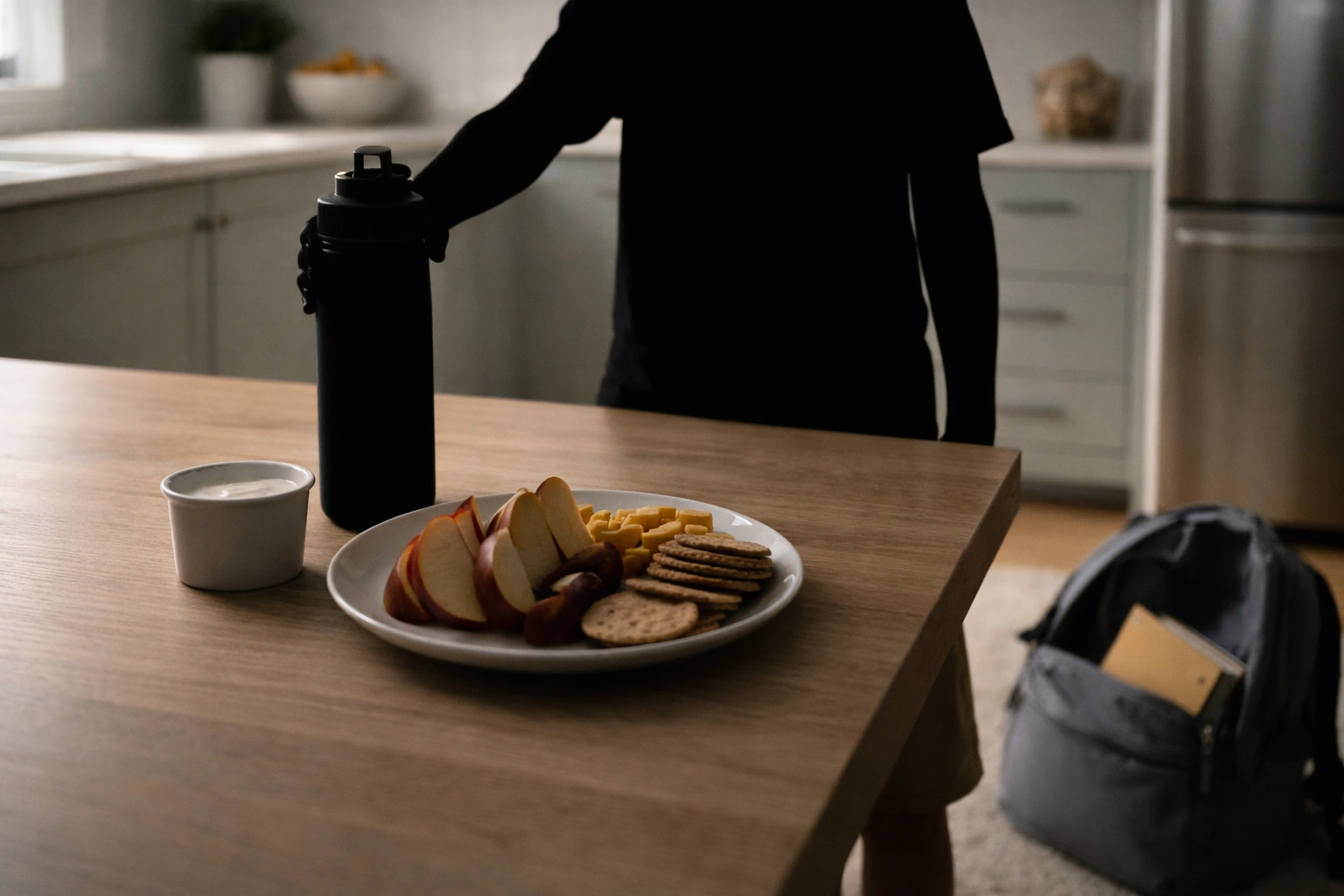
Nutritional impacts on ADHD: what parents really want to know
When families search nutritional impacts on ADHD, they are usually asking one of these questions:
- “Is sugar making my child worse?”
- “Should I cut additives or certain colours?”
- “Do supplements help?”
- “Can diet fix ADHD?”
- “My child is picky. How do I get decent nutrition in them?”
The honest answer is this: food can affect energy, sleep, mood, and concentration, which can change how ADHD looks day to day. But diet is rarely the only factor.
A balanced diet is still a powerful foundation because it supports the body and brain. Many NHS resources aimed at families encourage a balanced diet based on the Eatwell principles and regular meal patterns. (East and North Hertfordshire NHS Trust)
What diet can do for focus and mood
Diet changes are most helpful when they reduce the everyday triggers that make attention harder.
A) More stable energy
Children who are hungry, thirsty, or running on quick snacks can look more impulsive and irritable. Regular meals and planned snacks can reduce “crash” moments. (East and North Hertfordshire NHS Trust)
B) Better sleep support
A calmer evening routine, fewer stimulants, and sensible timing of meals can support sleep. Sleep problems often make ADHD symptoms feel bigger the next day.
C) Fewer “big feelings”
Food will not remove emotional dysregulation, but better hydration and steadier energy can lower the baseline stress in the body. This can make it easier to cope with small frustrations.
D) Supporting overall health
The British Dietetic Association notes there is not a strong evidence base for a specific diet or supplements that improve ADHD symptoms, but also highlights that people with ADHD often have less healthy eating patterns. That is a strong reason to support nutrition gently and consistently.
What diet cannot do: common myths
This section matters because “miracle diet” claims can make parents feel blamed when nothing changes.
Myth 1: “Diet cures ADHD”
ADHD is a neurodevelopmental condition. Diet can support wellbeing, but it is not usually a cure. Evidence based care can include behavioural strategies, school support, and for some children, medication as set out in NICE guidance. (NICE)
Myth 2: “Sugar causes ADHD”
Sugar does not cause ADHD. However, high sugar patterns can worsen energy swings, sleep, and appetite. That can make focus and mood harder.
Myth 3: “One supplement fixes everything”
NICE advises not to offer dietary fatty acid supplements to treat ADHD in children and young people. (NICE)
That does not mean nutrition does not matter. It means supplements are not a reliable treatment on their own.
Food additives and hyperactivity: what the UK guidance says
Some children may be more sensitive to certain artificial colours.
The University of Southampton study reported increased hyperactivity in some children consuming mixtures of certain artificial colours and sodium benzoate. (University of Southampton)
The Food Standards Agency funded research and states that certain artificial colours could cause increased hyperactivity in some children. It lists specific colours, including tartrazine and sunset yellow. (Food Standards Agency)
It is also fair to say the science is debated. Reviews noted limitations and uncertainty about which additives caused effects. (European Food Safety Authority)
A practical approach for families
If you suspect additives affect your child:
- Keep a simple diary for 2 weeks (food, sleep, behaviour).
- If you see a clear pattern, trial reducing those colours for 2 to 4 weeks.
- Keep the rest of the diet normal so you can see what is changing.
- If you are considering a bigger restriction, talk to a GP or dietitian.
Omega 3, vitamins, and supplements: what NICE says
Families often ask about omega 3.
NICE is clear: do not advise or offer dietary fatty acid supplementation for treating ADHD in children and young people.
NICE also advises families there is no evidence about the long term effectiveness or harms of a “few foods” diet, and only limited evidence of short term benefits.
What this means in real life
Focus on food first.
Be cautious of expensive products with big promises.
If you want to try supplements, talk to a clinician, especially for children.
Protein, breakfast, and blood sugar: practical wins

If you want one simple action on nutritional impacts on ADHD, start here.
A) Eat within a steady rhythm
Many NHS ADHD nutrition leaflets advise regular meal patterns and planned snacks.
Aim for:
Breakfast
Lunch
Dinner
one to two planned snacks
B) Include protein in the morning
Protein can support steadier energy. Examples:
Eggs
Yoghurt
Beans on toast
Peanut butter on toast
Milk and cereal with a protein side
C) Make hydration easy
Low hydration can look like poor concentration and irritability. Add:
A named water bottle
Water with every meal
A reminder after school
Iron, zinc, and magnesium: when to ask your GP
Some studies link iron stores with ADHD symptoms, but this does not mean every child needs supplements.
If you suspect deficiency, speak to your GP about symptoms and whether testing is appropriate. Do not supplement iron without medical advice.
Situations where it is sensible to ask about checking:
Very limited diet
Fatigue and pallor
Restless sleep
Appetite suppression from medication and weight concerns
ADHD medication and appetite: food strategies that help
Some children on stimulant medication have reduced appetite. NHS services provide dietary advice for young people on ADHD medication, including practical tips to support intake and weight. (Royal Devon NHS)
Helpful strategies many families use:
a strong breakfast before medication (if advised by clinician)
nutrient dense snacks after school when appetite returns
bedtime snack if dinner was small
regular growth and weight monitoring with professionals
If appetite changes are significant or weight gain stops, speak to your prescribing clinician or GP.
A simple 7 day plan for calmer meals and snacks
This is not a strict diet. It is a structure to reduce decision overload.
Daily structure
- Breakfast: protein plus carbohydrate
- Snack: fruit plus yoghurt, cheese, or nuts if age appropriate
- Lunch: sandwich wrap with protein, plus veg or fruit
- After school: snack plus water, then movement
- Dinner: balanced family meal
- Optional evening snack: if appetite was low earlier
Picky eating tip
Offer “safe food” plus one tiny “learning bite”. No pressure. Repeated exposure matters more than arguments.
FAQs: nutritional impacts on ADHD
Diet can affect energy, sleep, and wellbeing, which can change focus and mood. NHS resources encourage balanced diet patterns for neurodivergent children and children with ADHD. (Bedfordshire Luton Children's Health)
NICE advises not to offer dietary fatty acid supplementation to treat ADHD in children and young people. (NICE)
Some children may be sensitive to certain artificial colours. The Food Standards Agency lists colours linked to increased hyperactivity in some children. (Food Standards Agency)
Evidence is debated, so a short, careful trial with a diary is the safest approach. (European Food Safety Authority)
NICE advises there is no evidence about long term effectiveness or harms, and only limited short term evidence. (NICE)
Start with structure, not force. Keep a regular meal rhythm, add a multicolour snack option, and speak to your GP if intake is very limited or growth is affected.