The New Ofsted Framework 2025 is already affecting how children’s homes are inspected. Ofsted has updated parts of the Social Care Common Inspection Framework (SCCIF) to sharpen its focus on stability, long term care, and support for children with higher or multiple needs. This outline shows the key changes, what inspectors are likely to probe, …

TL;DR
The New Ofsted Framework 2025 brings clearer guidance for children’s homes through updates to the Social Care Common Inspection Framework, with a stronger emphasis on placement stability, long term care, and confidence in supporting children with higher or multiple needs. Inspections continue to focus on the real impact of care on children’s experiences and progress, using case tracking rather than paperwork alone. While wider Ofsted reforms apply to education inspections from November 2025, the changes affecting children’s homes are already shaping inspection conversations and expectations. This blog breaks down what has changed, what inspectors are likely to focus on, and how leaders can prepare calmly and confidently.
New Ofsted Framework 2025. What has actually changed and why it matters
The New Ofsted Framework 2025 has generated a lot of discussion across children’s social care. For many leaders and registered managers, the challenge has been separating genuine inspection change from assumption and sector rumour.
This section explains what the New Ofsted Framework 2025 actually refers to, why it was clarified, and why it matters for children’s homes day to day. It is designed to remove uncertainty and set a clear foundation for inspection readiness.
What people mean by the New Ofsted Framework 2025
When people refer to the New Ofsted Framework 2025, they are often talking about more than one development.
For children’s homes, the most relevant change is the clarification and updating of guidance within the Social Care Common Inspection Framework. This work was led by Ofsted and published to strengthen consistency in how inspections are carried out. It does not replace the existing framework or introduce new judgement areas. Instead, it sharpens how inspectors apply the framework in practice.
At the same time, Ofsted has announced wider reforms to education inspections from November 2025. These include changes to reporting and inspection tools. While these education reforms do not apply directly to children’s homes, they show a clear organisational shift towards impact, lived experience, and reduced reliance on simplistic grading narratives.
This blog focuses on the first area. The New Ofsted Framework 2025 as it applies to children’s homes through the SCCIF.
Why Ofsted clarified the framework in 2025
The underlying principles of the ofsted framework for children’s homes have been stable for several years. Inspections have always been intended to focus on children’s experiences and progress rather than procedural compliance.
However, Ofsted recognised growing anxiety across the sector. Many providers reported that inspection outcomes were influencing risk appetite. Homes were becoming more cautious about accepting children with complex needs, not because they lacked skill or care, but because they feared how challenges might be interpreted during inspection.
This was never the intention of the framework. Children with higher or multiple needs are often those who most require stable, skilled residential care. The New Ofsted Framework 2025 seeks to correct this unintended consequence by clarifying expectations and reinforcing proportional, child centred judgement.
The message is not that standards have lowered. It is that inspections should reflect the reality of supporting children with complexity, rather than rewarding only those placements that remain easy.
Impact over paperwork. A reinforced inspection approach
One of the most important things to understand about the New Ofsted Framework 2025 is that it reinforces existing inspection methodology rather than introducing something new.
Inspectors continue to use case tracking and sampling to understand how care is experienced by individual children. Policies, procedures, and records remain relevant only where they help explain decisions and demonstrate impact.
This means that inspection is less about presentation and more about understanding. Inspectors are interested in how the home thinks, how it responds to challenge, and how learning is embedded over time. The quality of reflection matters more than the quantity of documentation.
For leaders, this means inspection preparation should focus on clarity of narrative rather than volume of evidence.
The judgements have not changed, but the lens has
Children’s homes are still judged against familiar areas. Overall experiences and progress. How well children are helped and protected. The effectiveness of leaders and managers.
What has changed under the new ofsted framework 2025 is how these judgements are explored. Stability now features more explicitly in inspection conversations. Inspectors are more likely to ask why children remain in placement, why placements end, and what active steps are taken to support children through difficulty.
Leadership is examined through this same lens. Inspectors want to understand how leaders support staff to manage complexity safely, how risk is reviewed, and how decisions are challenged and improved over time.
Why this matters for children and for homes
For children, the clarified ofsted framework promotes consistency, perseverance, and trust. Stability is not defined by a lack of incidents or by compliance alone. It is defined by sustained care, responsive support, and adults who do not withdraw when behaviour becomes difficult.
For children’s homes, the New Ofsted Framework 2025 offers reassurance. Homes that support children with higher needs, and do so thoughtfully and reflectively, should not feel disadvantaged by inspection. The framework now more clearly recognises the skill involved in doing this work well.
New Ofsted Framework 2025. Key SCCIF changes you need to understand

With the foundations set, this section explores how the clarified Social Care Common Inspection Framework shows up during inspection. These are not new rules, but clearer expectations that shape inspector focus, questioning, and judgement.
Understanding these areas helps homes prepare with confidence rather than anxiety.
Stability is now a central inspection theme
Stability has always mattered in residential care. Under the New Ofsted Framework 2025, it is no longer treated as an indirect outcome. It is explored directly.
Inspectors are more likely to ask how homes work to maintain placements, particularly when children’s needs escalate. This includes exploring patterns of moves, reasons for placement endings, and what proactive steps were taken to avoid disruption.
Importantly, stability is not defined as a calm or incident free environment. Inspectors are encouraged to look at how homes respond when behaviour becomes challenging, how relationships are maintained, and how care plans adapt over time.
A child experiencing difficulty is not a negative indicator. How the home responds is what matters.
Children with higher or multiple needs
One of the clearest messages within the New Ofsted Framework 2025 relates to children with complex presentations.
Homes are not expected to avoid challenge. Inspectors are now guided to explore how homes prepare for complexity, rather than whether complexity exists. This includes staffing models, training, support from external professionals, and leadership oversight.
Inspection conversations are likely to focus on questions such as how risk is assessed, how staff are supported during difficult periods, and how learning from incidents informs future practice.
The emphasis is on proportionality and intent. Homes that demonstrate thoughtful planning and reflective response should feel more confident in inspection, even where children’s needs are high.
Placement decisions and endings
Under the clarified ofsted framework, placement decisions are examined with greater nuance.
Inspectors may explore why a placement was accepted, how matching was considered, and how risks were understood. They may also ask about placement refusals or endings, particularly where patterns emerge.
What matters is not whether every placement continues indefinitely, but whether decisions are child focused, transparent, and reviewed. Clear rationale, honest reflection, and evidence of learning are all viewed positively.
Defensive recording or overly cautious language can work against a home. Inspectors are looking for thoughtful judgement, not fear driven decision making.
Reassurance does not mean reduced expectations
It is important to be clear. The New Ofsted Framework 2025 does not lower standards.
Safeguarding remains critical. Children must be protected from harm. Leadership must remain strong and accountable. The difference lies in how inspectors interpret challenge and complexity.
Homes supporting children with high needs are still expected to manage risk effectively, seek support when required, and maintain consistent boundaries. The updated framework encourages inspectors to recognise the effort and skill involved in doing this work well.
Case tracking remains central
Case tracking and sampling continue to be the core inspection tools. Under the New Ofsted Framework 2025, inspectors are likely to select cases that illustrate challenge, instability, or complex need.
They will follow the child’s journey from referral through to the present, asking how decisions were made and what difference they made. Homes that can clearly articulate this journey, and demonstrate learning along the way, tend to experience more balanced inspection conversations.
Evidence works best when it tells a coherent story. The child’s story.
Day to day practice still matters most
Finally, it is important to remember that everyday practice has not lost importance.
Inspectors still observe routines, interactions, staff consistency, and how children experience daily life in the home. Stability is often built through predictable care, clear boundaries, and trusting relationships rather than through formal plans alone.
The New Ofsted Framework 2025 gives inspectors clearer permission to recognise this reality.
New Ofsted Framework 2025. How to prepare your children’s home without panic

By this point, the New Ofsted Framework 2025 should feel clearer. The next question most leaders ask is practical. What should we actually do?
This section focuses on preparation that strengthens practice rather than creating stress. It is not about building an inspection performance. It is about making sure your home can clearly evidence stability, thoughtful care, and confident leadership in line with the updated ofsted framework.
Start with readiness, not inspection mode
One of the biggest risks under any inspection framework is slipping into short term behaviour. Rushing to update paperwork, rehearsing answers, or creating evidence that does not reflect daily practice often increases anxiety and weakens credibility.
The New Ofsted Framework 2025 rewards homes that are inspection ready as part of normal working, not homes that switch behaviour when inspection is announced.
Readiness means your systems, leadership oversight, and staff confidence are already aligned with how you care for children.
Focus area one.
Placement stability and disruption
Stability sits at the heart of the updated framework, so preparation should begin here.
Leaders should have a clear understanding of placement patterns in their home. This includes how long children stay, why placements end, and whether there are any recurring themes. Inspectors are less interested in raw numbers and more interested in what leaders know and what they do with that knowledge.
Useful preparation questions include:
- Do we understand why placements end in this home?
- Can we evidence attempts to stabilise before endings occur?
- Do we review disruptions with honesty and learning rather than blame?
Preparation does not mean avoiding difficult truths. It means being able to explain them and show what has changed as a result.
Focus area two.
Supporting children with higher or multiple needs
Under the new ofsted framework 2025, inspectors are likely to explore how homes plan for and respond to complexity.
Preparation here should be grounded in reality. Homes should be able to show how staffing, training, and support are matched to the needs of the children currently living there.
This does not require perfect solutions. It requires evidence of thoughtful planning. For example, leaders should be able to explain how staff are supported when behaviour escalates, how external professionals are involved, and how care approaches are reviewed over time.
What matters most is that the home can show it does not give up when things become difficult.
Focus area three.
Evidence that tells a child’s story
Evidence under the ofsted framework is not about volume. It is about narrative.
Inspectors will follow individual children’s journeys, looking at starting points, challenges, decisions, and outcomes. Homes should ensure that their records help this story flow clearly.
Strong preparation includes:
- Clear chronologies that explain why decisions were made.
- Care plans that reflect the child’s lived experience, not generic wording.
- Records that show review, adaptation, and learning.
If a child’s journey can be understood easily by someone new to the home, inspection conversations tend to feel calmer and more balanced.
Focus area four.
Staff confidence and shared understanding
Inspection does not sit only with managers. Staff confidence plays a significant role in how inspection feels and how practice is understood.
Under the New Ofsted Framework 2025, inspectors may speak with staff about how they support stability, manage risk, and respond to challenge. Preparation should focus on understanding, not scripting.
Staff should feel confident answering questions such as:
- How do we help children feel safe and settled here?
- What do we do when behaviour becomes challenging?
- How do leaders support us when things are difficult?
This confidence grows from reflective supervision, shared language, and leaders who are visible and supportive.
Focus area five.
Leadership oversight that is lived, not distant
Leadership remains a core judgement under the ofsted framework. Inspectors want to understand how leaders know what it is like to live and work in the home.
Preparation should include clear oversight rhythms. Leaders should be able to explain how they review incidents, listen to children’s views, and ensure learning leads to change.
Good leadership evidence often includes:
- Audits that result in clear actions.
- Supervision records that show challenge and reflection.
- Examples of how leaders have adjusted practice in response to what they see.
Leaders do not need to present perfection. They need to show honesty, curiosity, and accountability.
Common preparation traps
The New Ofsted Framework 2025 exposes certain habits that no longer serve homes well.
Overloading staff with last minute tasks, rewriting policies that are not used, or encouraging overly defensive recording can all undermine inspection outcomes. These approaches often signal anxiety rather than confidence.
Instead, preparation should simplify, not complicate. If something does not support children’s experiences or staff practice, it is unlikely to help inspection.
Preparing calmly benefits everyone
Preparing in line with the New Ofsted Framework 2025 should make homes stronger, not more pressured.
When stability, reflective practice, and leadership oversight are embedded, inspection becomes a conversation rather than an event. Children benefit from consistent care. Staff feel supported. Leaders feel clearer about their impact.
Turning understanding into confident action
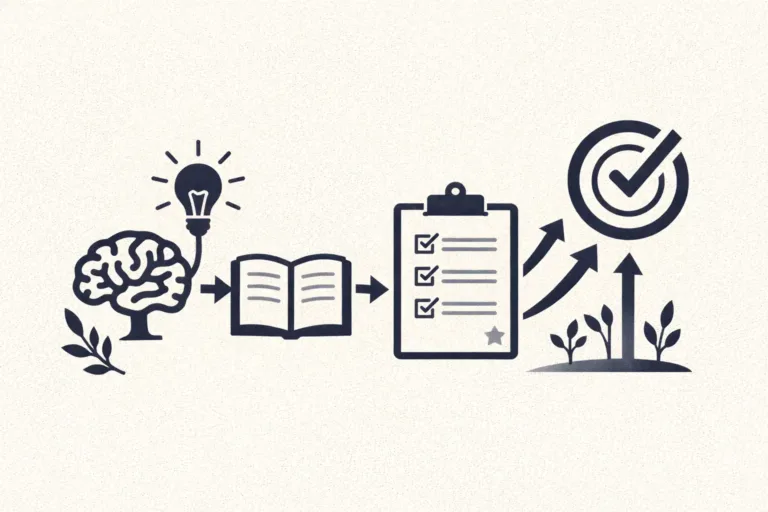
By this stage, the New Ofsted Framework 2025 should feel less abstract and more practical. The final step is turning understanding into action that lasts beyond inspection week.
This section sets out clear, time bound actions that help children’s homes embed stability, strengthen leadership oversight, and approach inspection with confidence rather than urgency. These actions align directly with how Ofsted now expects the ofsted framework to be applied in practice.
A 30 day plan. Strengthen clarity and confidence
The first 30 days should focus on visibility and understanding rather than change for change’s sake.
Leaders should start by reviewing how well the home can already tell the story of children’s experiences. This includes checking that key records make sense to someone unfamiliar with the home and that placement decisions are clearly explained.
Useful 30 day actions include:
- Reviewing a small sample of children’s journeys from referral to present.
- Checking that reasons for placement endings are clearly recorded and reviewed.
- Ensuring leaders can confidently explain stability patterns in the home.
This stage is about clarity. If leaders understand their own narrative, inspection conversations feel more controlled and less reactive.
A 60 day plan. Embed reflective practice
The next phase focuses on embedding learning and shared understanding across the team.
By 60 days, homes should be using supervision, team meetings, and audits to reinforce the themes within the new ofsted framework 2025. Stability, support for complex needs, and reflective decision making should be visible in everyday discussions.
Helpful actions at this stage include:
- Using supervision to explore real examples of challenge and learning.
- Reviewing training needs linked to the children currently living in the home.
- Checking that leadership oversight leads to clear actions and follow up.
This is where inspection readiness becomes part of normal practice rather than a separate task.
A 90 day plan. Evidence that change has stuck
The final phase focuses on sustainability.
At 90 days, leaders should be able to show that learning has not only been identified but embedded. Inspectors under the ofsted framework are interested in whether homes review, adapt, and improve over time.
Strong actions here include:
- Re auditing areas previously identified for development.
- Reviewing whether changes have improved stability or staff confidence.
- Capturing examples where learning has influenced outcomes for children.
This is also a good point to reflect on leadership impact. What has changed because leaders paid attention? How has that affected children’s experiences?
Handling inspection conversations with confidence
Under the New Ofsted Framework 2025, inspection conversations are increasingly reflective rather than interrogative.
Leaders and staff should feel able to talk honestly about challenge. Inspectors are not expecting perfection. They are looking for thoughtful judgement, child focused decisions, and evidence of learning.
Confidence comes from alignment. When what you say matches what inspectors see in practice and records, inspection feels more like dialogue than defence.
Finally
The New Ofsted Framework 2025 is not about catching homes out. It is about recognising the reality of residential care and ensuring inspections reflect what genuinely improves children’s lives.
Homes that focus on stability, reflective practice, and confident leadership are well placed under the updated ofsted framework. Preparation should feel steady and purposeful, not rushed or performative.
When care is strong, inspection becomes a confirmation of good practice rather than a test of nerves.
Resources
Ofsted. Social Care Common Inspection Framework (SCCIF)
The core framework used to inspect children’s homes, explaining inspection judgements, case tracking, and how children’s experiences and progress are assessed.Ofsted. Inspecting children’s homes guidance
Detailed guidance showing how inspectors apply the ofsted framework in practice, including stability, safeguarding, and leadership oversight.Changes to social care inspections aimed at improving stability for vulnerable children
A government news release on updates to social care inspections, explaining the sharper focus on stability and placement decision making under the updated SCCIF
What is the role of Ofsted in children’s homes?
A clear explanation of how Ofsted inspects childen’s homes, what inspectors look for, and how inspection judgements are made.What types of children’s homes exist in the UK?
An overview of different children’s home models, including how purpose and provision affect inspection expectations.A typical day in a children’s home
A practical look at daily life in a children’s home, helping link inspection frameworks to real lived experience for children.
Got a question?
Frequently Asked Questions

What is the New Ofsted Framework 2025 for children’s homes?
The New Ofsted Framework 2025 refers to updated and clarified guidance within the Social Care Common Inspection Framework. It explains more clearly how Ofsted inspects children’s homes, with a stronger focus on placement stability, children’s lived experiences, and how homes support children with higher or multiple needs.
Has the Ofsted framework changed in 2025?
The ofsted framework itself has not been replaced, but it has been clarified in 2025. The changes affect how inspections are carried out rather than what homes are judged on. Inspectors are now expected to apply the framework with greater focus on impact, stability, and proportional decision making.
How does the New Ofsted Framework 2025 affect children’s homes?
Under the new ofsted framework 2025, inspectors are more likely to explore how homes support children through challenge, how placements are stabilised, and how leaders respond when needs increase. Homes are expected to evidence thoughtful care and learning over time rather than perfect outcomes.
What does Ofsted look for now in children’s home inspections?
Ofsted looks at children’s experiences and progress, how well children are helped and protected, and the effectiveness of leadership. Under the updated framework, inspectors pay closer attention to stability, placement decision making, staff support, and how homes respond when things become difficult.
Will supporting children with complex needs affect our Ofsted rating?
Supporting children with complex or high needs should not negatively affect inspection outcomes when care is well planned and reflective. Ofsted has made clear that homes should not be penalised for taking on complexity where risks are understood, staff are supported, and leaders review and learn from practice.
How can children’s homes prepare for the New Ofsted Framework 2025?
Preparation should focus on everyday readiness rather than inspection performance. Homes should be able to clearly explain children’s journeys, placement decisions, and leadership oversight. Strong supervision, reflective practice, and clear evidence of stability over time are key to preparing under the new ofsted framework.