Our recent fire warden training with Smart Horizons at Bentleigh House combined practical extinguisher use, evacuation drills and a clear talk on responsibilities, so staff feel prepared to act calmly and quickly in a fire.
TL;DR
Fire warden training at Bentleigh House, led by Smart Horizons, blended hands-on practice with a focused talk on fire safety and fire warden responsibilities. Staff left feeling clearer about their roles, more confident using equipment and better prepared to protect children and colleagues in an emergency.
Fire warden training at Bentleigh House
Fire safety in a children’s home relies on calm, confident staff who know exactly what to do in an emergency. That is why we welcomed Smart Horizons to Bentleigh House for dedicated fire warden training, tailored to our setting and the needs of the young people we support.
Why fire warden training matters in a children’s home
Linking training to daily life at Bentleigh House
The session began with a clear, accessible talk on fire safety basics. Trainers from Smart Horizons explained how fires start, how they spread and why early action matters. They linked this directly to life at Bentleigh House, including bedtime routines, use of electrical items and keeping exits clear. Throughout the talk, the focus stayed on the central role of effective fire warden training.
Understanding the role of a fire warden
Responsibilities in an emergency
Staff then explored the specific responsibilities of a fire warden. This included checking escape routes, sounding the alarm, guiding children to safety and carrying out roll calls at the assembly point. The trainers encouraged questions and used realistic examples to show how split-second decisions can keep everyone safe.
Practical fire warden training in action
Hands-on skills and evacuation practice
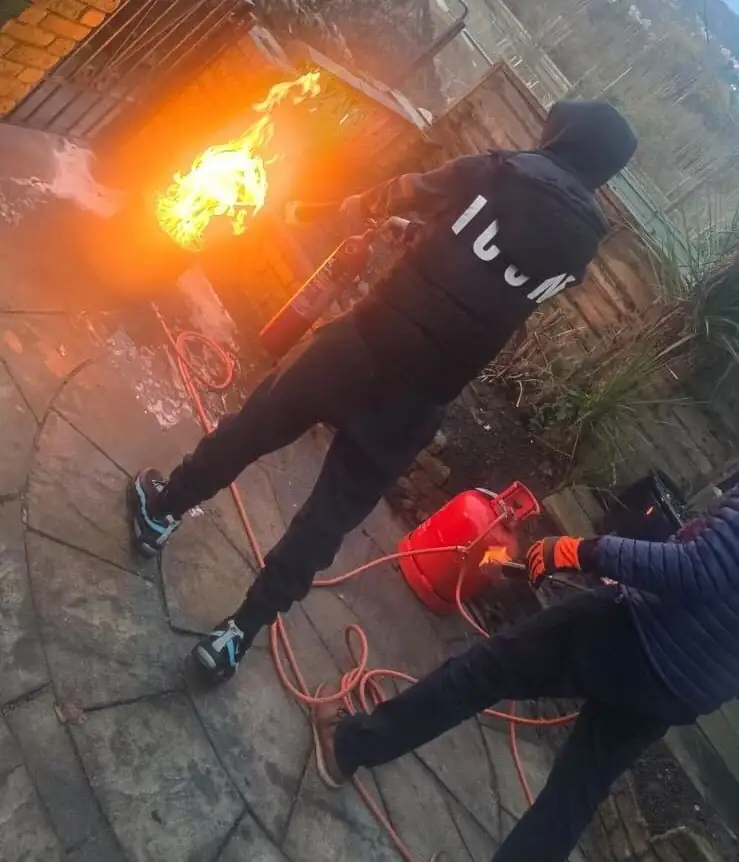
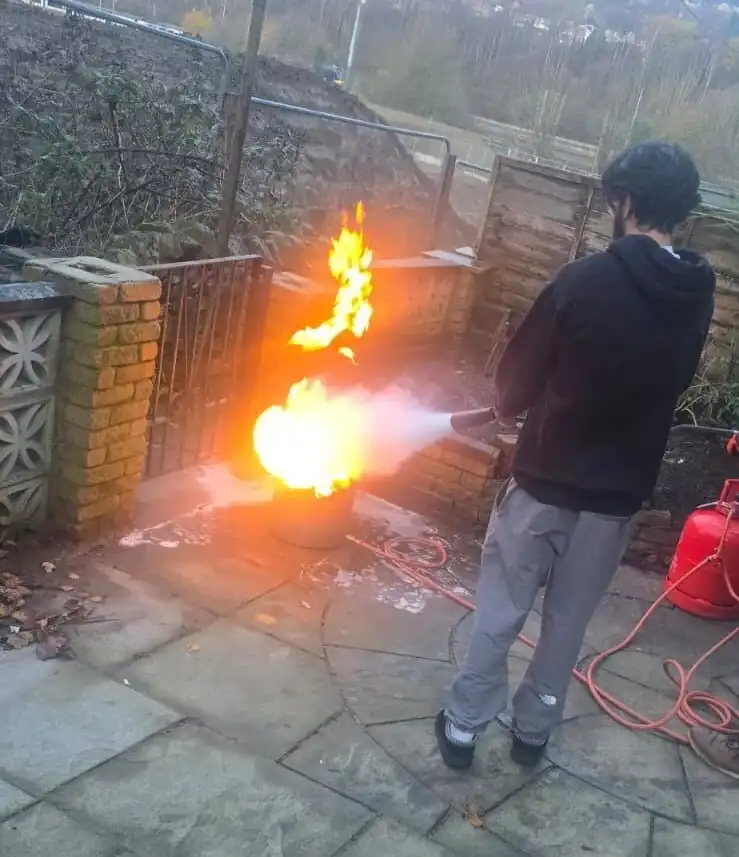
The most impactful part of the day was the practical training. Staff practised using fire extinguishers under supervision, learning which type to use and when it is safe to attempt to tackle a small fire. A walk-through evacuation drill helped the team rehearse communication, reassurance and leadership with children in mind.
Building confidence and a stronger safety culture
By the end of the fire warden training with Smart Horizons, staff at Bentleigh House reported feeling more prepared, more aware of potential risks and clearer about their individual roles. This shared confidence strengthens our overall safety culture and supports our commitment to providing a secure, nurturing environment for every child in our care.

-
- Typical day in a children’s home
A look at what everyday life is like for children living in a Welcare home. - How children in homes spend their free time
Explains how children are supported to enjoy safe, meaningful free time in a children’s home. -
Daily routine in a children’s home
Describes the daily structure and routines that help children feel secure and settled. -
Fire safety responsibilities in workplaces
Government guidance on who is responsible for fire safety, staff training and emergency planning. -
Fire safety and evacuation plans
Official advice on escape routes, evacuation procedures and planning for emergencies. -
Children’s Homes Regulations: fire precautions
Legal requirements for fire precautions in children’s homes in England.
- Typical day in a children’s home
Got a question?
Frequently Asked Questions

Who took part in the fire warden training with Smart Horizons?
The training at Bentleigh House involved key Welcare team members who have day to day responsibility for the safety and wellbeing of children. This included staff who act as fire wardens, night staff and colleagues who support daily routines in the home.
How does this fire warden training benefit the children in Welcare’s homes?
The training helps staff stay calm, organised and decisive in an emergency, which in turn helps children feel safer and more reassured. By practising evacuation routes, communication and equipment use, Welcare strengthens its overall safety culture and creates a more secure environment for every child in the home.