

What ADHD is, in plain language
ADHD (attention deficit hyperactivity disorder) is a neurodevelopmental condition. It affects how the brain manages attention, activity levels, and impulse control. Many children with ADHD struggle most with concentrating, sitting still when expected, and stopping to think before acting. (nhs.uk)
The key point for parents is this: the early signs of ADHD in children are usually ongoing, show up in more than one setting, and make everyday life harder for the child. (GOSH Hospital site)
Early signs of ADHD in children: The three main areas
Most early signs of ADHD in children fall into three groups: inattention, hyperactivity, and impulsivity. Some children show more of one group than another. (nhs.uk)
1) Inattention signs
Early signs of ADHD in children can include:
Easily distracted
Even during play or simple tasks
Not seeming to listen
Losing track of instructions
Struggling with multi step directions
Forgetfulness
losing items often
Rushing
Ends up in making careless mistakes
2) Hyperactivity signs
- Constant fidgeting, tapping, squirming
- Always on the go, finding it hard to stay seated
- Running or climbing at times that do not fit the setting
- Very talkative or noisy, struggling with quiet activities
3) Impulsivity signs
Impulsivity can show up as:
- Blurting things out or interrupting
- Difficulty waiting in games, queues, or conversations
- Acting before thinking, including risky choices
- Big, fast emotions, like going from calm to upset very quickly
Specialist resources also highlight acting without thinking as part of impulsivity. (GOSH Hospital site)
ADHD in girls and boys: Why signs can be missed
A lot of parents worry because their child does not “look like” what they imagine ADHD to be.
Some boys show more outward hyperactivity and impulsivity, which gets noticed quickly in school. Many girls, and some boys too, show more inattention. That might look like daydreaming, quiet struggling, disorganisation, or emotional sensitivity rather than bouncing off the walls. (parents.actionforchildren.org.uk)
Action for Children highlights that ADHD in girls can be easier to miss, with signs such as struggling to focus, being very sensitive, talking a lot, and not always showing behavioural issues. (parents.actionforchildren.org.uk)
If you are seeing early signs of ADHD in children but your child is not disruptive, you are not overreacting. Quiet children can still be finding things very hard.
What is normal child behaviour vs a red flag?
All children can be forgetful, lively, and impulsive sometimes. That is normal.
Early signs of ADHD in children become more concerning when you notice:
- The same issues keep happening over time, not just during a stressful week
- Difficulties show up in more than one setting, like home and school, or home and clubs (GOSH Hospital site)
- It affects daily life, like learning, friendships, family routines, or safety
Great Ormond Street Hospital describes diagnostic features such as symptoms present before age 12, seen in two or more settings, with clear impact on functioning. (GOSH Hospital site)
The NHS also notes symptoms usually start before age 12 and includes advice on speaking to a SENCO and exploring support options. (nhs.uk)
Early signs of ADHD in children: When to seek help in the UK
If you are seeing early signs of ADHD in children and it is affecting everyday life, it is reasonable to seek advice.
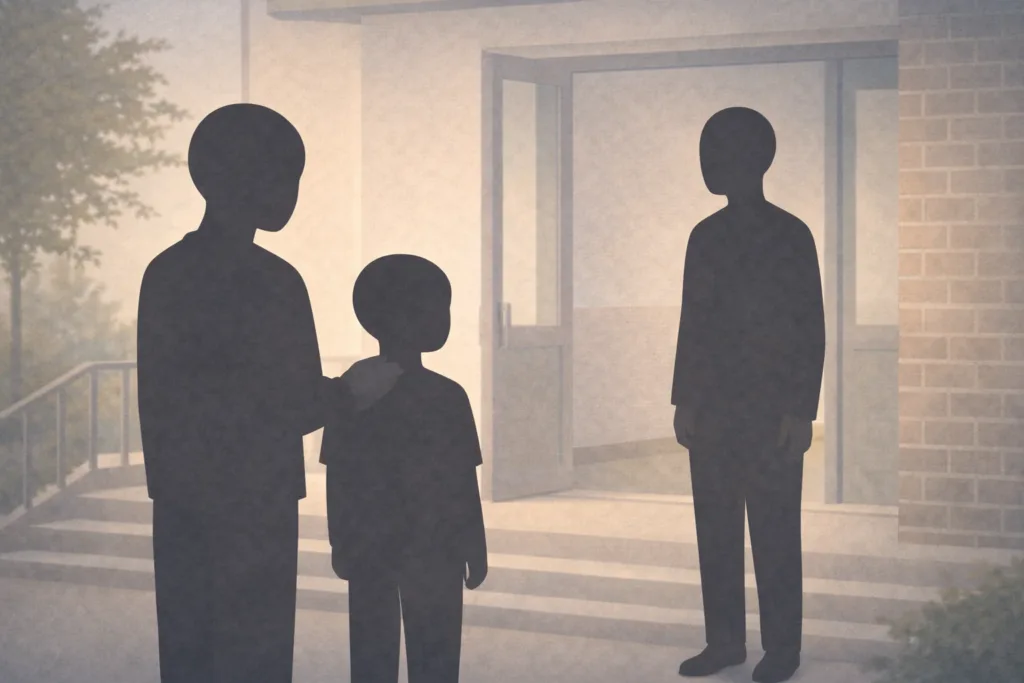
1) Speak to school or nursery first
Ask to speak with your child’s teacher and the SENCO if they have one. Schools can:
- Share observations across the school day
- Put simple support in place
- Provide helpful notes for your GP if you request assessment (nhs.uk)
YoungMinds specifically suggests speaking to the teacher and SENCO before a GP appointment and asking the school to summarise what they see. (YoungMinds)
2) Speak to your GP
You can book a GP appointment to discuss concerns. If needed, the GP can refer your child for assessment through local services.
NHS guidance sets out that there are different ways to support a child with ADHD and encourages families to speak with school support such as a SENCO. (nhs.uk)
3) Understand what assessment looks for
Different professionals may use different tools, but guidance commonly looks for:
- Symptoms starting before age 12 (nhs.uk)
- Symptoms seen in more than one setting (GOSH Hospital site)
- Clear impact on daily functioning (GOSH Hospital site)
What you can do at home while you seek support
You do not have to wait for a diagnosis to start helping.
What helps most
- Short, clear instructions (one step at a time) (mpft.nhs.uk)
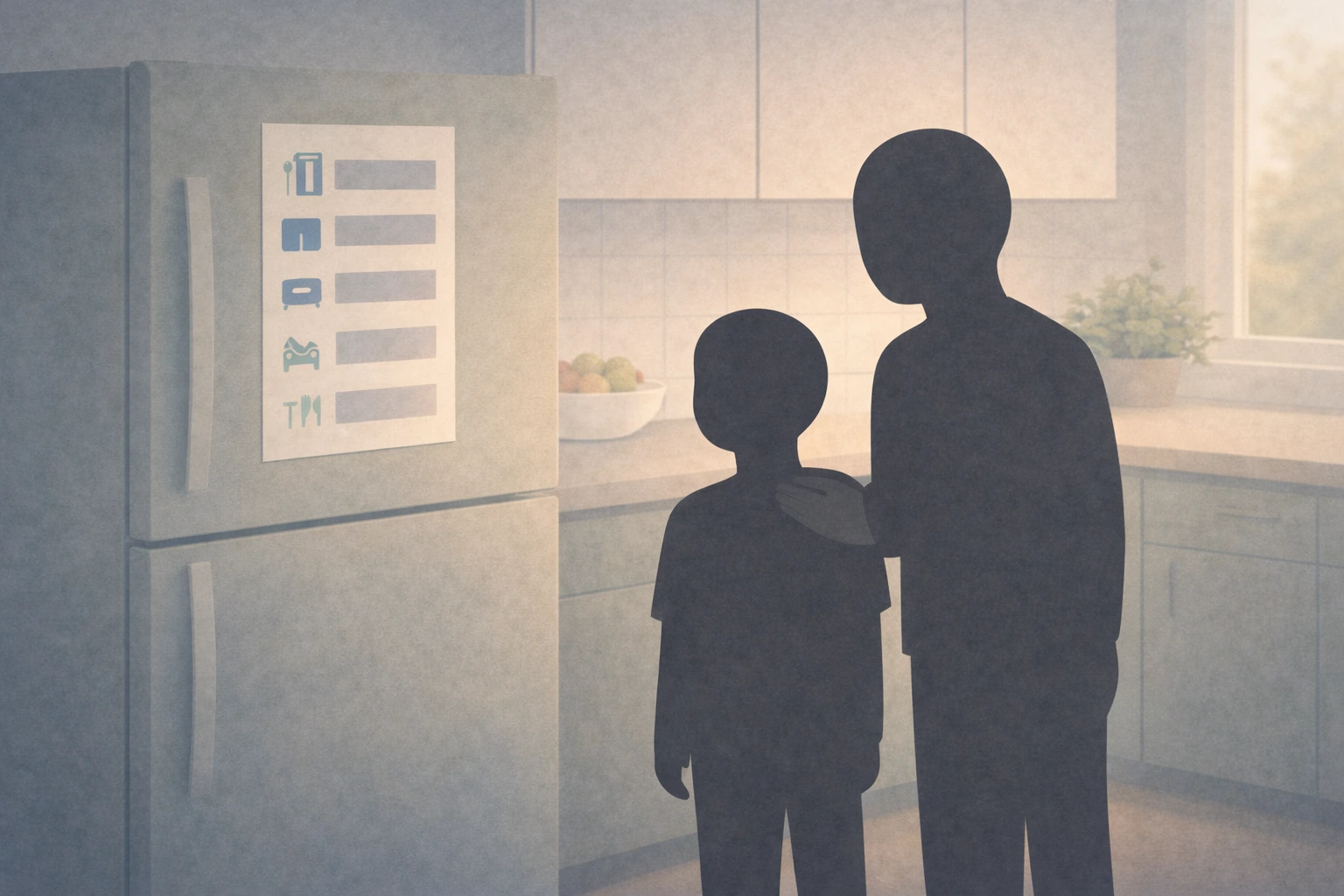
- Visual routines (morning and bedtime charts) (nhs.uk)
- Movement breaks to help regulation and focus (nhs.uk)
- Praise for effort and starts, not only perfect finishes (mpft.nhs.uk)
- Consistent sleep routine, as regular sleep supports wellbeing (nhs.uk)
These are gentle, practical supports that can make home life calmer while you build a clearer picture.
Reassurance for parents
If you are reading about early signs of ADHD in children, you might be carrying guilt. Try to set that down.
ADHD is a brain based difference and is described in NHS Scotland guidance as highly heritable. (Right Decisions)
Noticing your child’s needs early is a strength. Early support can improve day to day life, confidence, and learning.
FAQs: Early signs of ADHD in children
Symptoms usually start before age 12, although concerns can show up earlier in some children. (nhs.uk)
Specialist guidance typically looks for symptoms across more than one setting, like home and school. Some children may mask in structured settings and then release at home, so it is still worth discussing patterns with school and your GP. (GOSH Hospital site)
No. Many children show more inattentive signs, such as daydreaming, disorganisation, and struggling to follow tasks through. ADHD in girls can be missed for this reason. (parents.actionforchildren.org.uk)
Share specific examples of what you see at home and ask what they notice in class. Ask whether the SENCO can support strategies now, and whether they can provide a short summary for your GP if needed. (YoungMinds)
NICE recommends offering an ADHD focused group parent training programme for parents or carers of children under 5 with ADHD as a first line approach. (NICE)