


Understanding ADHD behaviour at home
ADHD is a neurodevelopmental condition. It can affect attention, activity levels, and impulse control. (nhs.uk)
At home, this can show up as:
- Difficulty starting tasks (even ones they want to do)
- Moving quickly from one thing to the next
- Interrupting, blurting, or reacting before thinking
- Big emotions that rise fast and take time to settle
A key reframe is this: many ADHD behaviours are symptoms, not deliberate misbehaviour. That does not mean “anything goes”. It means your parenting approach works best when it teaches skills, rather than relying on shame, fear, or constant telling off.
What positive parenting is (and what it is not)
Building a strong parent child relationship
Setting clear boundaries
Reinforcing helpful behaviour
Teaching skills during calm moments
It is not permissive parenting. You still set limits. The difference is how you do it:
You stay consistent, rather than escalating
You lead with connection, then boundaries
You coach skills, rather than “winning” the moment
Why “traditional discipline” often backfires
Many families try harder consequences when behaviour does not improve. With ADHD, that often increases stress without building skills.
Harsh discipline may stop behaviour briefly, but it does not address the underlying difficulty. It can also leave a child feeling ashamed or “bad”. When a child acts impulsively, they may genuinely struggle to link the punishment to what they should do next time.
Positive parenting shifts the goal from “pay for what you did” to “learn what helps next”.
The three foundations: connection, consistency, and praise
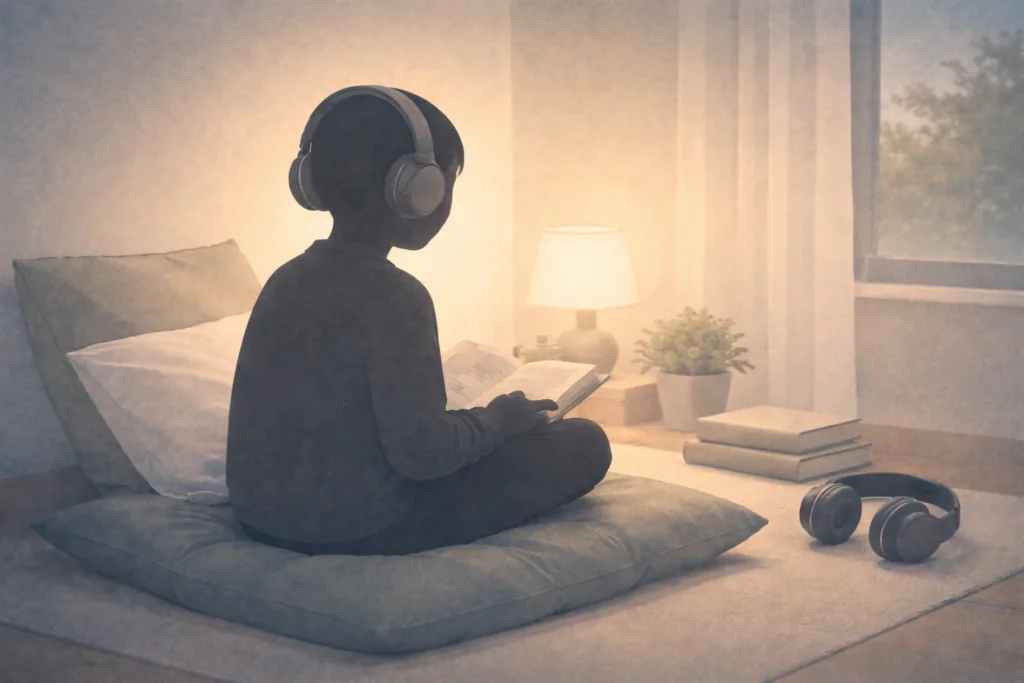
Connection and empathy
Children cooperate more when they feel safe with you. Make time for small moments of attention, especially when things are going well. Validate feelings even when you stop behaviour.
Try this:
- “I can see you’re frustrated. I’m here.”
- “I won’t let you hit. We can be angry safely.”
Consistency and structure
ADHD brains often do best with predictability. Routine reduces the number of decisions, which reduces conflict.
Try this:
- Same morning steps in the same order
- Visual checklist (pictures for younger children)
- “When X, then Y” language
Positive reinforcement and praise
Aim to “catch them being good”. Praise that is immediate and specific tends to work best.
Instead of: “Good boy.”
Try: “You started your homework after one reminder. That was brilliant effort.”
Practical strategies that work in real homes
A) Make expectations clear and concrete
Vague instructions can overwhelm. Break it down and keep it short.
Better prompts:
- “Shoes on, then coat.”
- “Pick up five toys, then we’ll read.”
B) Use visual supports
Many children with ADHD respond well to:
Timers
Checklists
Simple charts for routines
(Especially for mornings and bedtime.)
C) Build a reward system that feels fair
Rewards do not have to be big. What matters is that they are quick, achievable, and linked to the behaviour you want more of.
Ideas:
- Sticker chart for one target only (for example: “kind hands”)
- Points towards choosing the film on Friday
- A “first then” plan: “First brush teeth, then 10 minutes Lego”
D) Teach, do not punish
Use natural consequences and a short teaching moment once your child is calm.
Example:
- Toy thrown: toy is put away briefly
- When calm: “Throwing can hurt. Next time, squeeze a cushion or ask for help.”
E) Stay calm during escalation (co regulation)
In a meltdown, reasoning rarely works. Your calm helps their nervous system settle.
What to do in the moment:
- Lower your voice
- Short phrases
- Give space if needed
- Keep everyone safe
F) Coach emotional regulation in calm moments
Teach skills when things are going well, not in the heat of it.
Simple tools:
- Breath in for 3, out for 4
- “Calm corner” with colouring, fidgets, headphones
- Movement breaks (star jumps, wall push ups)
G) Protect self esteem
Children with ADHD often hear more correction than praise. Building confidence is not “extra”. It is part of improving behaviour.
Try:
- A daily “win” board on the fridge
- Praise effort, not just outcome
- Strength spotting: creativity, humour, curiosity
Common flashpoints and what helps
Mornings
- Clothes and bag ready the night before
- Two step instructions
- Timer for each stage
Homework
- Start with a tiny goal: “Do 3 minutes”
- Movement break every 10 to 15 minutes
- Body doubling: sit nearby doing your own task
Screen time
What helps:
- Clear start and stop times
- Warnings: “10 minutes left”
- Transition object: “When the tablet ends, you choose the snack.”
Sibling conflict
What helps:
- Praise “repair”: “You said sorry and offered the toy back.”
- Teach scripts: “Stop please.” “I need space.”
- Separate first, problem solve later
Bedtime
What helps:
- Same order every night
- Calm activity before bed (no high stimulation)
- A predictable wind down routine
When to seek more help
Consider extra support if:
- Behaviour is getting more intense or unsafe
- Your child’s anxiety is rising, or sleep is very poor
- School attendance is falling
- You feel constantly on edge or burnt out
Speak with your GP, school, or health visitor. In some areas, CAMHS or community paediatrics can support assessment and planning.
If you ever feel a child is at immediate risk of harm, seek urgent help through emergency services.
UK resources for parents and carers (trusted starting points)
- NHS: ADHD in children and young people (nhs.uk)
- NICE: ADHD guideline NG87 (NICE)
- NICE quality statement: parent training programmes (NICE)
- YoungMinds: ADHD guide for parents (YoungMinds)
- Contact: find your local parent carer forum (Contact)
- NHS trust example support pack (PDF) (University Hospitals Dorset)
FAQs
The most effective approach is usually calm, consistent teaching with clear boundaries. Use short consequences and practise what to do next time, once your child is calm.
Many children with ADHD respond well to positive reinforcement. Keep rewards small, immediate, and linked to one clear goal.
Focus on safety and calm first. Your steady presence helps your child regulate. Keep language short and kind.
Yes. Schools should provide support based on needs, not only diagnosis. The SENCO can help plan adjustments. (YoungMinds)
Parent training and education programmes may be available locally. NICE highlights these as helpful for managing behaviour and improving family relationships. (NICE)
Continue exploring:
- Parent Hub: routines and boundaries
- Contact Welcare (enquiry form)
- Welcare safeguarding and complaints