Children’s homes are under increasing pressure to balance emotional support with demanding administrative responsibilities. Welma provides a gentle and intelligent digital assistant that helps staff stay organised, maintain compliance, and capture the true story of each child’s journey. By reducing paperwork and strengthening narrative documentation, Welma allows carers to spend more time building meaningful connections. …
TL;DR
Children’s homes need new forms of support as emotional needs and regulatory pressures grow. Welma offers a compassionate digital solution that helps staff stay organised, record progress accurately, and maintain compliance without taking time or attention away from the children. By easing administrative workloads and strengthening narrative based documentation, Welma allows carers to focus on meaningful relationships. This creates a calmer and more supportive environment where children feel seen, staff feel more confident, and homes can meet high standards of care while remaining nurturing and personal.
A New Era for Children’s Homes
Children’s homes have long been a cornerstone of the UK’s care system, providing safety, structure, and support for young people who cannot live with their families. Today, however, these homes are navigating a more complex landscape than ever. Rising caseloads, mounting regulatory demands, and increased emotional and developmental needs among children all place enormous pressure on staff.
At Welcare, the response has been both human and digital. Enter Welma: a pioneering AI assistant designed specifically to support the real-world challenges of residential care. Welma is more than a tech solution. She is a compassionate, context-aware support tool that helps social workers manage documentation, maintain compliance, and, most importantly, stay focused on what truly matters: the children.
By embracing digital innovation, Welcare is showing how children’s homes can remain not only compliant and efficient, but deeply personal and nurturing. In the following sections, we explore how Welma is bringing transformative change to care settings across the UK.
The State of UK Children’s Homes Today
Children’s homes in the UK serve some of the most vulnerable young people in our society, those who have experienced trauma, neglect, abuse, or breakdowns in family relationships. According to Ofsted, over 6,000 children live in registered children’s homes, many with complex emotional and behavioural needs. Supporting them requires consistency, compassion, and an ever-evolving toolkit of professional skills.
But the sector is under strain. Staff face rising expectations around safeguarding, documentation, and therapeutic care, often with limited resources. Local authorities and care providers are working hard to keep homes nurturing and safe, yet administrative demands can sometimes compromise face-to-face time with children.
At the same time, inspection frameworks like Ofsted’s Social Care Common Inspection Framework (SCCIF) require rigorous record-keeping, accountability, and clear evidence of progress. This leaves carers and social workers juggling frontline responsibilities with extensive paperwork, often late into the evening.
In this context, the need for thoughtful, child-centred innovation is urgent. Children’s homes must find ways to maintain high standards of care without sacrificing the personal touch. And that’s exactly where Welma enters the picture.
What is Welma? Meet Welcare’s AI Assistant
At first glance, Welma might sound like another tech buzzword. But for the team at Welcare, and the social workers who rely on her daily, Welma is a genuine game-changer.
Welma is a digital assistant built specifically for children’s homes. Developed in-house by Welcare’s digital team, she was designed with one purpose: to support those delivering care, not replace them. She sits quietly in the background, gently prompting staff to complete reports, ensuring compliance with care standards, and weaving together documentation that tells a story, not just a summary, of each child’s journey.
Here’s what makes Welma unique:
- She knows the law: Built to understand UK legislation like the Children Act 1989 and Ofsted regulations, Welma ensures that every note and plan aligns with legal expectations.
- She prompts with purpose: Need to update a child’s record or complete a care plan? Welma offers timely, non-intrusive reminders that help staff stay on top of tasks, without overwhelming them.
- She sees the whole child: More than a data tool, Welma crafts narrative-driven records that reflect each child’s voice, achievements, and milestones. This helps everyone, carers, social workers, and inspectors, see the child, not just the case.
- She strengthens connections: Acting as a bridge between administrative duties and human care, Welma allows social workers to focus on meaningful interactions without falling behind on documentation.
Welma is a seamless blend of empathy and efficiency, a digital co-worker who never replaces the human heart of care but enhances its reach. In the next section, we’ll explore exactly why this kind of innovation is so needed in UK children’s homes.
Why Innovation is Needed in Children’s Homes
For anyone who has worked in a children’s home, the balancing act is clear: giving children the attention they deserve while staying on top of endless administrative tasks. As regulations grow more complex and accountability becomes more scrutinised, staff are stretched thin, not just emotionally, but logistically.
The Key Challenges
- Admin overload: Daily logs, safeguarding reports, care plans, incident forms, education records, the paperwork is constant.
- Staff burnout: Emotional fatigue and high turnover rates continue to impact continuity of care.
- Depersonalised care risks: When time is spent on forms instead of faces, the child becomes a casefile rather than a person.
- Inspection anxiety: Ofsted and other regulatory bodies rightly expect thorough documentation. But the fear of falling short can lead to rushed or overly defensive practice.
These pressures don’t just affect staff, they impact children too. A tired, overwhelmed carer may struggle to provide the warmth and stability that young people need to heal and thrive.
The Opportunity
That’s where digital innovation, done ethically, can step in. Tools like Welma aren’t about shortcuts or automation for its own sake. They’re about giving time back to the people who matter most in care settings: the children and the carers who support them.
Welma offers an intelligent layer of support that anticipates what needs to be done, when, and how, freeing staff to be more present, responsive, and creative in their work. And in a system where every moment counts, that’s a step forward worth taking.
How Welma Helps: Practical Applications
Welma’s true strength lies in the everyday moments where she makes life easier, smoother, and more focused, for both carers and the children they support.
Let’s walk through a typical scenario:
Morning Shift, Less Stress
A support worker begins their shift. Instead of rifling through handwritten logs or chasing updates, Welma provides a digital snapshot of what’s needed:
- Which reports are due
- Any outstanding behaviour logs
- Upcoming reviews or educational notes
- Achievements or milestones to capture
No second-guessing. No missed details.
Child-Focused Documentation
During a one-to-one session, a young person opens up about a small achievement, say, completing a homework task for the first time in weeks. Welma prompts the carer to record this as a “growth moment,” using supportive language that celebrates progress.
These moments are then added to a narrative profile that builds up over time, showing the child’s journey in their own voice, not just a list of incidents or risks.
Ofsted-Ready, Always
When it comes time for inspection or internal audit, Welma can compile the necessary care records, behaviour logs, and developmental notes into clear, well-structured reports. These don’t just tick boxes, they reflect the unique experience of each child.
Staff Reflection & Learning
Welma also supports staff growth. After challenging incidents, she prompts reflection, not blame, by offering frameworks for debriefing and learning. This encourages a culture of development, not just compliance.
Welma isn’t about micromanagement. She’s about meaningful support. By anticipating tasks and making documentation more human, she allows staff to do what they do best: build trusting, therapeutic relationships.
Keeping the Human Touch: Ethical AI in Social Care
One of the most important principles behind Welma’s design is simple: technology should never replace care, it should reinforce it. In children’s homes, where relationships are everything, empathy and human connection must always come first.
That’s why Welma was developed not as a replacement for staff, but as a companion to their daily work. She never makes decisions. She doesn’t assess children or interpret behaviour. Instead, she supports carers by reducing administrative noise, helping them be more present, more prepared, and more attuned to the needs of each child.
Ethical Design, Child-First Focus
Welma operates with strict ethical safeguards. She’s built to:
- Uphold privacy and data security to the highest standards.
- Avoid automation in decision-making, especially where outcomes affect a child’s wellbeing.
- Amplify the voice of the child by ensuring documentation includes their achievements, feelings, and personal milestones.
- Maintain full transparency, staff know when and how she’s assisting.
Designed for Humans, by Humans
Importantly, Welma was shaped by people working on the ground, digital specialists collaborating with care staff, social workers, and safeguarding leads. Her functionality reflects real challenges faced in real homes.
So when Welma sends a reminder to log a young person’s first successful bedtime routine in weeks, it’s not about ticking a box. It’s about capturing a meaningful moment in that child’s life. A moment that might otherwise be forgotten.
Welma proves that AI and empathy can work hand-in-hand. The result? A more balanced, attentive, and child-focused care environment.
Evidence of Impact: Early Results from Welcare
It’s one thing to talk about innovation. It’s another to see it in action.
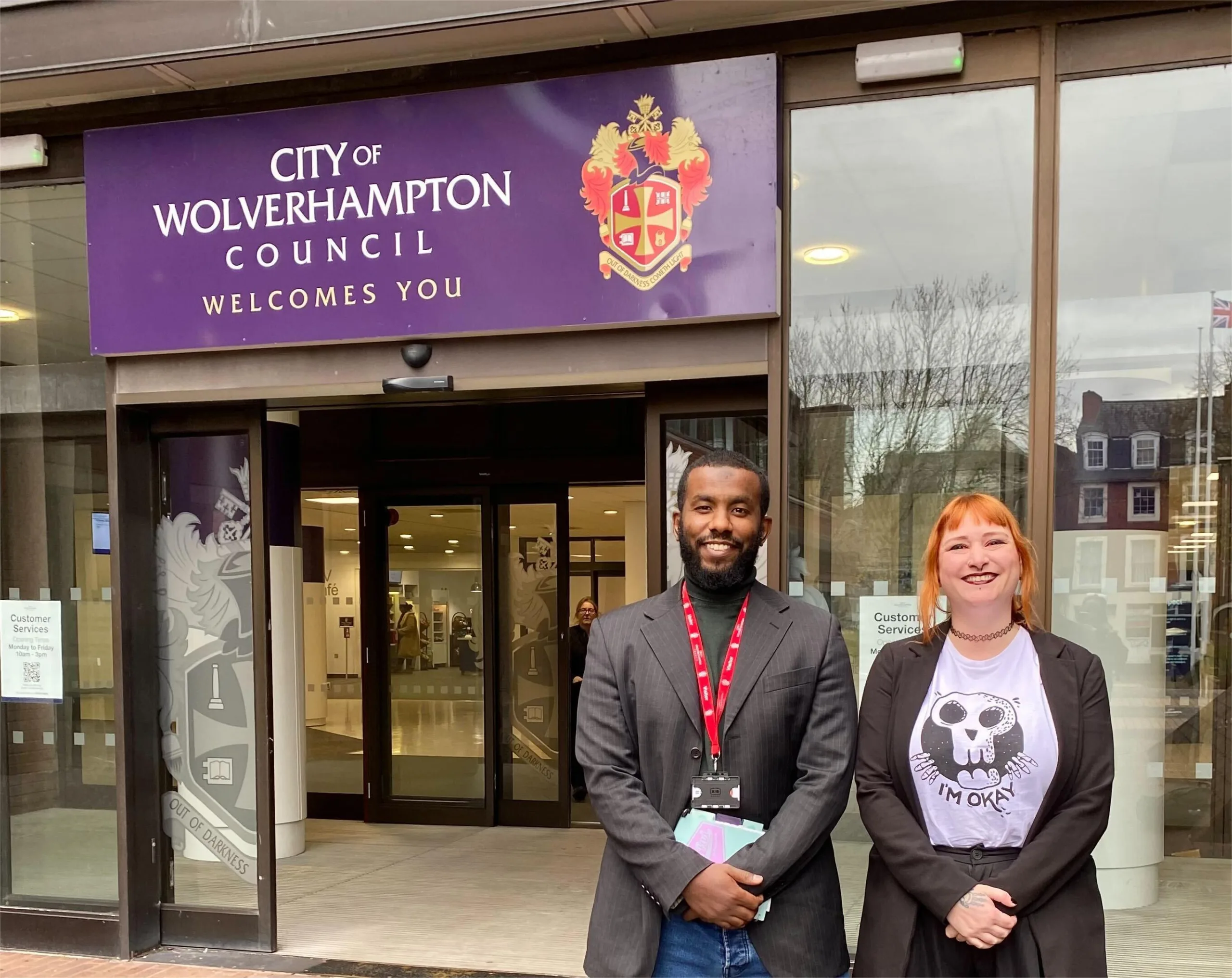
At a recent presentation to Wolverhampton Council, Welcare introduced Welma not just as an idea, but as a working, impactful tool already helping staff and children in care. The response was overwhelmingly positive.
Feedback from Social Workers
Social workers described Welma as a “calm constant” in a fast-moving environment. Her reminders were praised for being helpful rather than disruptive, and the narrative documentation approach made it easier to reflect a child’s full experience, not just isolated incidents.
“Welma doesn’t just track what happens. She helps us show who this child is becoming.” – Residential Support Worker, Welcare
Better Engagement with Children
One of the most unexpected outcomes? Children loved seeing their progress documented. The narrative reports made them feel seen, recognised, and proud of their growth.
Small moments, like brushing their teeth regularly or resolving a conflict calmly, became celebrated milestones. This boosted their self-esteem and helped carers have more meaningful conversations with them.
Recognition from Local Authorities
Wolverhampton Council and other partners highlighted the potential of Welma to support consistency in care, reduce paperwork errors, and enhance safeguarding by ensuring nothing slips through the cracks.
The message was clear: Welma isn’t a gimmick. She’s an evolution in how we care, rooted in compassion, guided by tech, and always focused on what’s best for the child.
Aligning with UK Children’s Care Standards
Welma isn’t just a helpful tool, she’s also a powerful asset in ensuring compliance with the UK’s robust standards for children’s care. For local authorities, care providers, and Ofsted inspectors, evidence is everything. Welma ensures that no detail is missed and that every requirement is met with transparency and precision.
Ofsted and SCCIF Readiness
Welma is designed with the Social Care Common Inspection Framework (SCCIF) in mind. She helps ensure:
- Clear documentation of outcomes, goals, and interventions
- Timely reviews and updates to care plans
- A consistent narrative of each child’s journey
- Records that reflect both challenges and progress
This not only supports Ofsted inspections but also builds a clear, audit-friendly picture of care quality.
Children Act 1989 and Safeguarding Duties
Welma also integrates the principles of the Children Act, Working Together to Safeguard Children (2018), and the Equality Act. Her reminders and documentation support:
- Child-centred planning and decision-making
- Inclusive language and attention to protected characteristics
- Timely safeguarding alerts and behavioural documentation
By bridging these legal expectations with day-to-day care, Welma helps every member of staff deliver better support, confident that their work is recorded clearly and in compliance with national law.
The Bigger Picture: Reinvesting in Community
Welma’s benefits don’t stop at operational efficiency. As part of Welcare’s not-for-profit model, the time and resource savings achieved through digital innovation are reinvested directly into the children’s homes and the young people who live there.
More Than Just Cost-Saving
When staff spend less time on paperwork, they have more time for:
- Therapeutic play sessions
- Creative activities like art and music
- Animal-assisted therapy including time with Tyson and Toffee
- One-to-one emotional check-ins
- Educational outings and skills-based workshops
These are the moments that shape self-worth, resilience, and long-term growth in children. Welma gives them space to happen more often, and with greater intention.
Charitable Reinforcement
Welcare channels savings from operational efficiencies back into community programmes, staff development, and support for local partnerships. From safer homes to greener vehicles to community outreach, every penny is used to strengthen the circle of care.
In short, Welma doesn’t just streamline care. She helps deepen it, by making room for everything that truly matters.
Future of Children’s Homes with AI Support
The introduction of Welma is just the beginning. As children’s homes continue to adapt to the evolving needs of young people and the increasing demands on care professionals, the role of ethical, supportive technology will only grow.
Welcare envisions a future where:
- Every staff member is supported by intuitive tools that reduce stress and raise standards.
- Every child’s voice is reflected in care records, highlighting not just needs, but strengths.
- AI support enhances transparency, safety, and continuity of care across the system.
What’s Next for Welma?
The next phase of Welma’s development will include:
- Learning algorithms that adapt prompts to individual staff workflows.
- Improved integration with local authority reporting systems.
- Child feedback loops, where young people can contribute directly to their narratives.
- Ongoing consultation with frontline staff and safeguarding experts to ensure alignment with real-world care.
A Call to Sector Leaders
If you’re involved in commissioning, inspecting, or managing children’s homes, now is the time to explore how digital innovation can support, not replace, the human heart of care. Tools like Welma show what’s possible when empathy and innovation go hand in hand.
Other Sources
Research from the Strategy Unit shows that digital social care records can improve staff efficiency and overall care quality, which aligns with the support Welma provides in Children’s Homes. You can read the Strategy Unit review here.
Guidance from the Department for Education encourages better designed digital case management systems that support clearer, more accurate and child-centred records in social care. You can read the DfE case management guidance here.
Research in Practice emphasises the importance of child-centred and narrative-rich record-keeping, showing how improved digital systems can help children feel seen and understood. You can read the Research in Practice guidance here.
Our Sources
The article “Welcare and Technology” shows how Welcare integrates digital systems to manage care homes and streamline operations. Read it here.
The piece “How Children’s Homes Create a Sense of Belonging: A Professional Perspective” explores how belonging, stability, and emotionally attuned care benefit children in homes — aligning with the goals of narrative-driven documentation tools. Read it here.
The article “How Do Children in Homes Spend Their Free Time?” describes daily life, free-time activities, and community integration in children’s homes; useful context for showing how reduced admin burden gives room for meaningful child-centred care. Read it here.
Got a question?
Frequently Asked Questions

What is Welma and how does it work?
Welma is a digital assistant designed by Welcare to support staff in children’s homes. She offers timely reminders, ensures compliance with UK care regulations, and helps create narrative-rich documentation that reflects each child’s development journey.
Does Welma replace staff in children’s homes?
No. Welma is a support tool, not a substitute. She enhances the work of care professionals by reducing administrative burdens, allowing them to focus more on face-to-face care and relationship-building.
Is Welma secure and compliant with data regulations?
Yes. Welma is built in alignment with GDPR and all relevant UK safeguarding standards. Data security, child privacy, and ethical usage are at the core of her design.
How does Welma support Ofsted compliance?
Welma helps staff maintain accurate, timely, and child-focused records that align with the Social Care Common Inspection Framework (SCCIF). She also prompts for key updates, reviews, and safeguarding documentation.
Can other children’s homes use Welma?
Currently, Welma is exclusive to Welcare homes. However, interest from local authorities and other providers has been growing. Welcare is exploring ways to expand her availability through ethical partnerships in the future.