

After submitting your Ofsted application, you may wait several weeks or months for approval. Use this time strategically to finalise your children’s home setup, train your team, and implement key systems. Ofsted expects the home to be ready for inspection and operation at any point during this waiting period.
1. Finalise your home setup
Ensure the home is fully furnished, safe, and welcoming.
Checklist includes:
- Bedrooms furnished with beds, wardrobes, and personal storage
- Fire evacuation plans displayed and safety equipment installed
- Warm, child-friendly décor with personal touches
- All communal areas (kitchen, bathrooms, lounge) fully equipped and functional
Ofsted will expect the home to be inspection-ready before registration is approved.
2. Set up your record-keeping systems
Establish secure systems for logging key events and care documentation. Required records include:
- Daily logs and shift handovers
- Incident, accident, and physical intervention reports
- Medication administration records
- Fire drill, maintenance, and safety checks
- Admission and discharge logs
- Staff training and supervision records
Digital care management software can help streamline these processes and demonstrate compliance.
3. Continue recruiting and training staff
Use this time to complete any remaining recruitment and training tasks. Key steps:
- Offer conditional employment contracts subject to DBS and Ofsted approval
- Complete staff induction and safeguarding refresher training
- Conduct team-building activities and shadow shifts
- Run scenario-based training on missing-child procedures, complaints, and restraint protocols
- Ensure all staff understand your Statement of Purpose and daily routines
A trained, cohesive team will enable a confident and compliant opening.
4. Prepare for potential inspections
Ofsted may carry out a pre-registration visit or unannounced check. Be prepared at all times by:
- Conducting a mock inspection internally or via a consultant
- Reviewing policies and procedures with staff
- Ensuring your physical premises meet safety and care standards
- Ensuring leadership can explain regulatory compliance confidently
Preparation at this stage helps avoid delays in approval.
5. Establish local professional partnerships
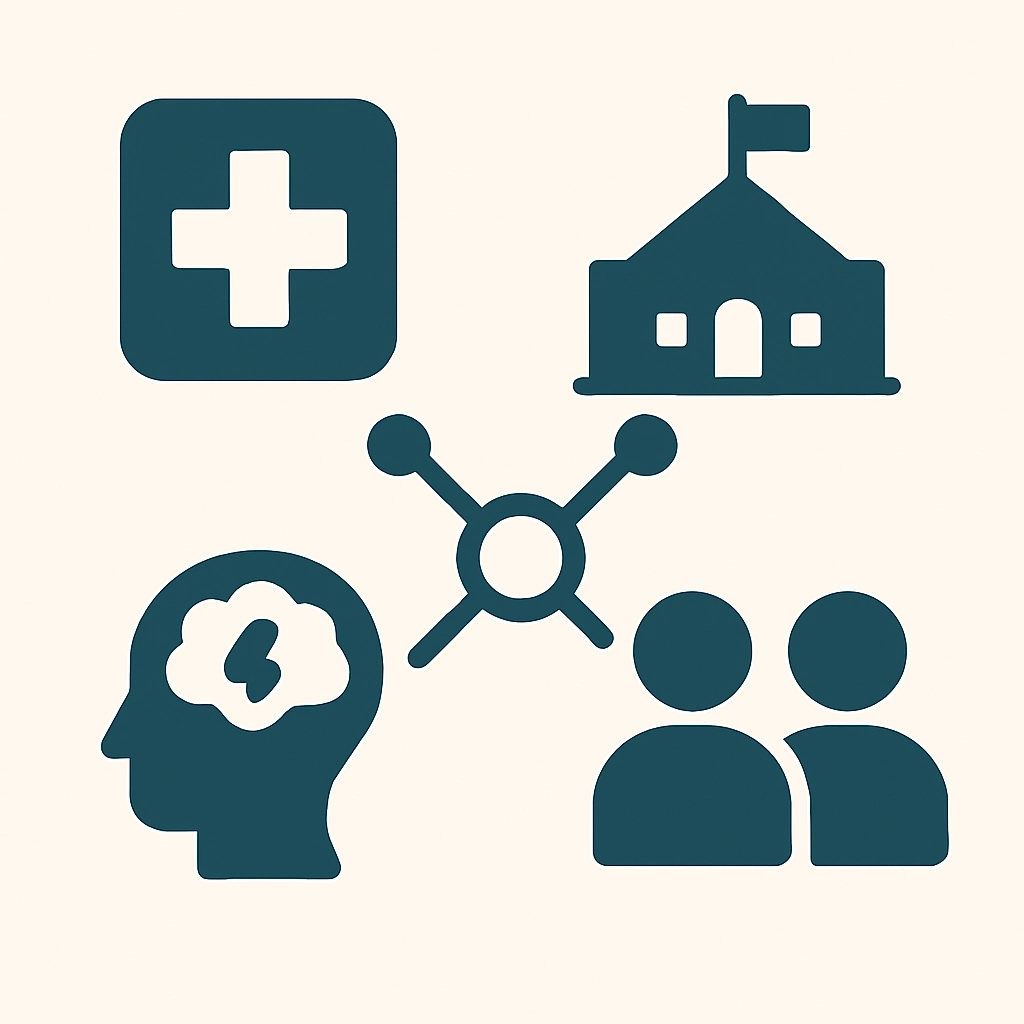
Build your care ecosystem by connecting with key services, including:
- Local GP and dental practices
- Education teams and Virtual School Heads
- CAMHS and local mental health support services
- Social work and commissioning teams in your authority
Strong relationships with local services enhance placement success and demonstrate readiness.
6. Use a pre-opening checklist
A clear, written checklist helps track progress and show accountability. Key categories:
Property
Furniture installed, fire safety complete, all certificates available
Staff
DBS cleared, induction complete, training logs up to date
Policies
Printed, reviewed, and accessible
Records
All templates prepared and securely stored
Partnerships
Confirmed links with GPs, schools, and local authority
Finance
Payroll systems active, insurance in place, reserve funding available
Summary checklist
- Complete your home’s furnishing and safety setup
- Finalise all care and operational records
- Finish safer recruitment and induction training
- Prepare for inspection with mock reviews
- Build your external support network
- Track progress using a detailed pre-opening checklist